
Nationalism has crept back into the heart of British politics and identity - but this time, it carries a sharper edge. With the surge of violent right-wing protests, Reform UK boasting over 260,000 members and a Labour Government talking more about immigration than ever, what once felt like innocent patriotism has evolved into something much more sinister. As this movement gains momentum, one question looms: is Britain rediscovering its identity, or creating a discriminatory, damaging environment?
With Starmer making unsettling echoes of Enoch Powell’s Rivers of Blood speech by describing the UK as an “island of strangers,” political figures push a hardened rhetoric that frames immigration as the greatest threat to modern Britain, casting migrants as scapegoats for deep-rooted social and economic problems. Conservative leader Kemi Badenoch even claimed on X that migrant men “lurk in bushes” and “harass” schoolchildren. These narratives distort and weaponise fear, leading the public to believe that British identity is something we need to ‘guard’ as opposed to celebrate through the diverse culture of our country.
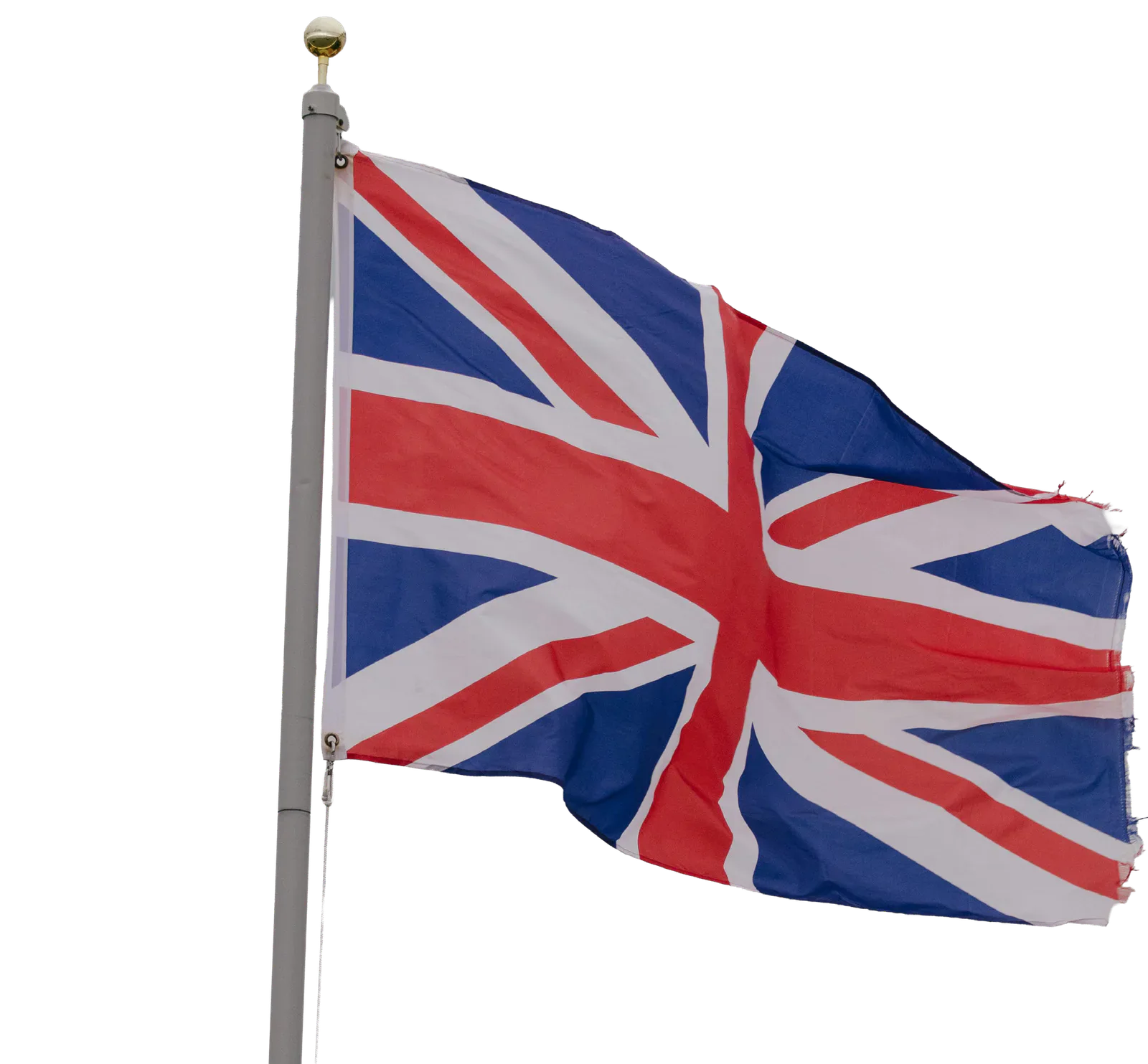
Britain’s new wave of nationalism is most visible in its flags. From slapdash St George’s crosses on roundabouts to Union Jacks littering every lamppost, it seems no town has been spared the patriotic makeover. Once symbols of pop-culture pride, think Geri Halliwell’s 1997 Brit Awards dress or a St George’s cross draped over pub tables during the Euros, the flag no longer feels as nostalgic or spirited.
In 2025, flying a Union Jack outside of your house reads more of a statement than a celebration. This sudden explosion of flags has stirred fierce debate. Whilst many recognise the hateful truth behind the sheer white and red fabric, far-right groups have launched campaigns such as Operation Raise the Colours to hoist flags across the country.
Their reaction speaks volumes. This isn’t harmless pride in red, white, and blue; it’s a political statement dressed as patriotism. These flags no longer unify, they divide.
For many young people, national pride is complicated. A recent You- Gov poll found that only 41% of Gen-Z are proud to be British. Most students are aware of the discrimination faced by people of colour, migrants, and minority communities, and that awareness shapes how they express identity.
Waving an English flag is no longer neutral; it risks being mistaken with right-wing alignment. Yet, in Cardiff, a different picture emerges. Students are comfortable expressing their alignment with Wales, painting dragons for rugby games and wearing red for Varsity.
Their enthusiasm suggests that nationalism itself isn’t the problem, but that English nationalism is what people are associating with racism, hatred and division. Hoisting Union Jacks and the St George’s Cross has come to mean more than simple patriotism. It speaks louder than God Save the King and Princess Diana plates on a mantlepiece.
Today, it signals sympathy with groups like Reform UK, attitudes rooted in racism, anti-immigration sentiment, and hostility. Nationalism has shifted from pride in one’s country to a thinly veiled excuse for excluding the very people who enrich it.