
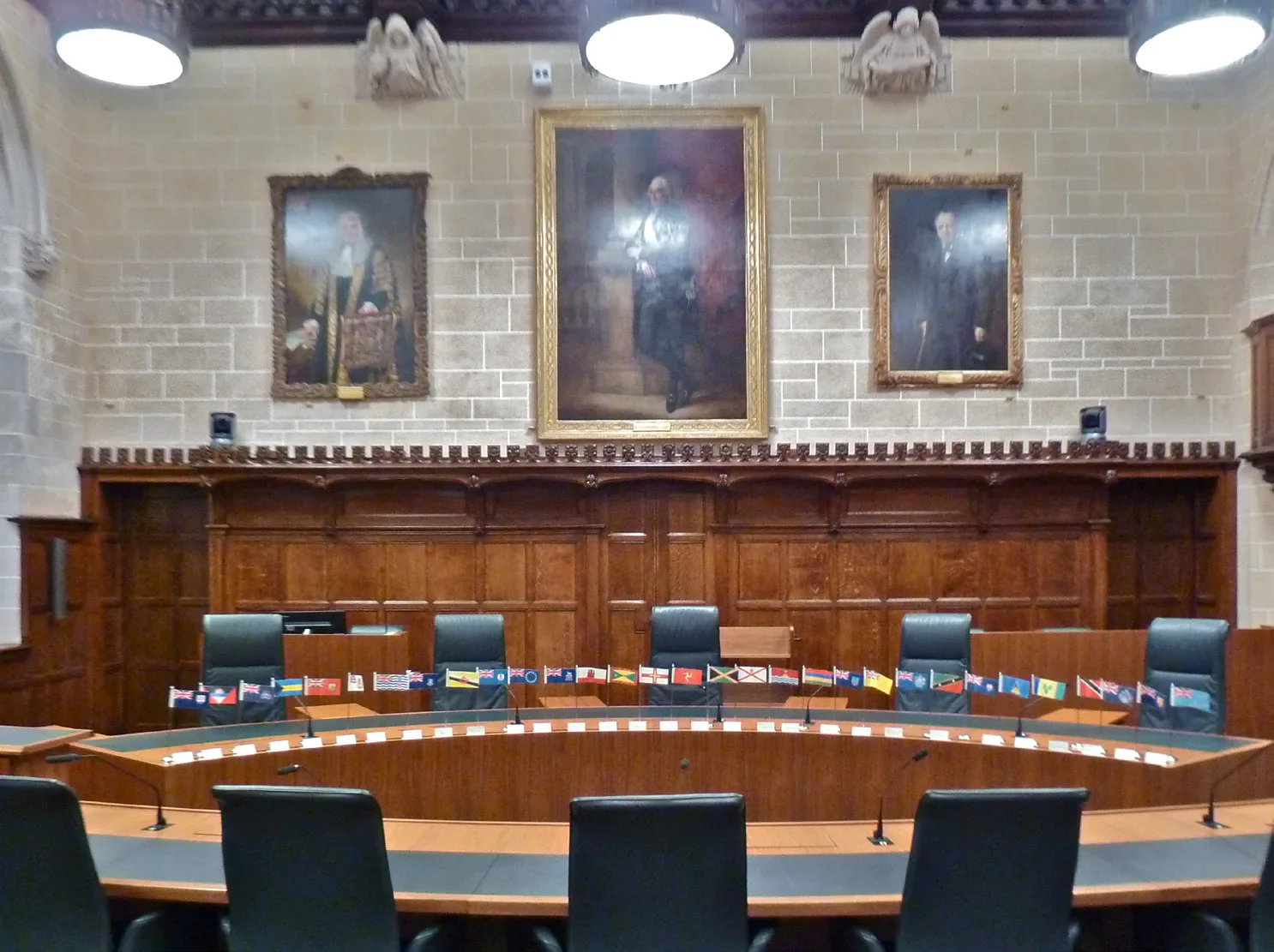
In April, the UK Supreme Court ruled a woman is “defined by biological sex” under the Equality Act 2010. Although the act still protects transgender people from discrimination and harassment, the ruling was seen by many as a step backwards in terms of equality. Following the decision, people who hold gender recognition certificates (GRCs) can be barred from single-sex spaces and sports.
It also means that cases involving “gender critical” biases may be reviewed in court. Eight months later, how have things changed for transgender people in Wales? Guidance for schools, promised by the Welsh government two years ago, has still not been published.
In January 2025, Wales Centre for Public Policy said guidance would be informed by the research of the Rapid Research and Appraisal Lab (RREAL) at University College London. RREAL found transgender children are more vulnerable to poorer well-being and educational outcomes than their peers. Evidence suggests “affirmative” policy and practice approaches (such as letting trans children use preferred names and clothing) improves these outcomes.
The Welsh government has stated firmly they do not intend to remove gender-neutral spaces, including toilets, from schools. Uniforms have been gender-neutral since 2019, with children in Wales being permitted to wear whichever items of clothing they like. The EHRC has pushed for the NHS to update its policies regarding trans people.
Current guidance says trans people should be accommodated according to the way they dress, their names, and their pronouns. They do not need to undergo medical gender reassignment treatment or live continuously as their respective gender to receive this support. Ironically, the “Equality Act” would reverse this guidance.
Even people with GRCs, who have received diagnoses of gender dysphoria and lived as their preferred gender for two years, would be misgendered. Although the NHS states their policy is under review, no formal changes have been made. Despite this guidance, Healthwatch found 18% of trans people were misgendered in NHS written communications.
When it came to gender-affirming care, 39% rated their GP services as “poor”. Overall, transgender patients had worse experiences with GP care than the average population. Although it is already difficult for trans people to access quality healthcare, the changes to the Equality Act intend to introduce barriers rather than remove them.
In Wales, transgender women have been barred from competing in cricket and football. Transgender people are extremely unrepresented in sports at all levels and very few dominate the fields they compete in. Interestingly, a study in the British Journal of Sports Medicine shows transgender women face several disadvantages when competing against cisgender peers.
Sports scientist Joanna Harper points out other athletes hold advantages which are not policed. For example, left-handers are usually better at sport. Moreover, weight categories are used to make the events fair because bigger boxers will nearly always beat smaller boxers.
Updating the Equality Act 2010 has allowed organisations, such as the Football Association, to legally exclude transgender people. It follows a growing trend in UK legislation legitimising discrimination on the basis of gender identity, such as ruling Maya Forstater should not have lost her job for voicing “gender-critical” beliefs. The rights and freedoms of transgender people are being continuously eroded by the government and condoned by the law.
The arbitrary decision to divide people by “biological sex” does nothing to ensure women’s safety, as its advocates might claim. Instead, it offers a limited view of gender (for both trans and cis people) and insists on policing how gender is expressed. Biological sex is not binary.
But these changes to the Equality Act 2010 make it possible to legitimately harass and exclude transgender people in Wales, purely on the basis of their gender identity.