
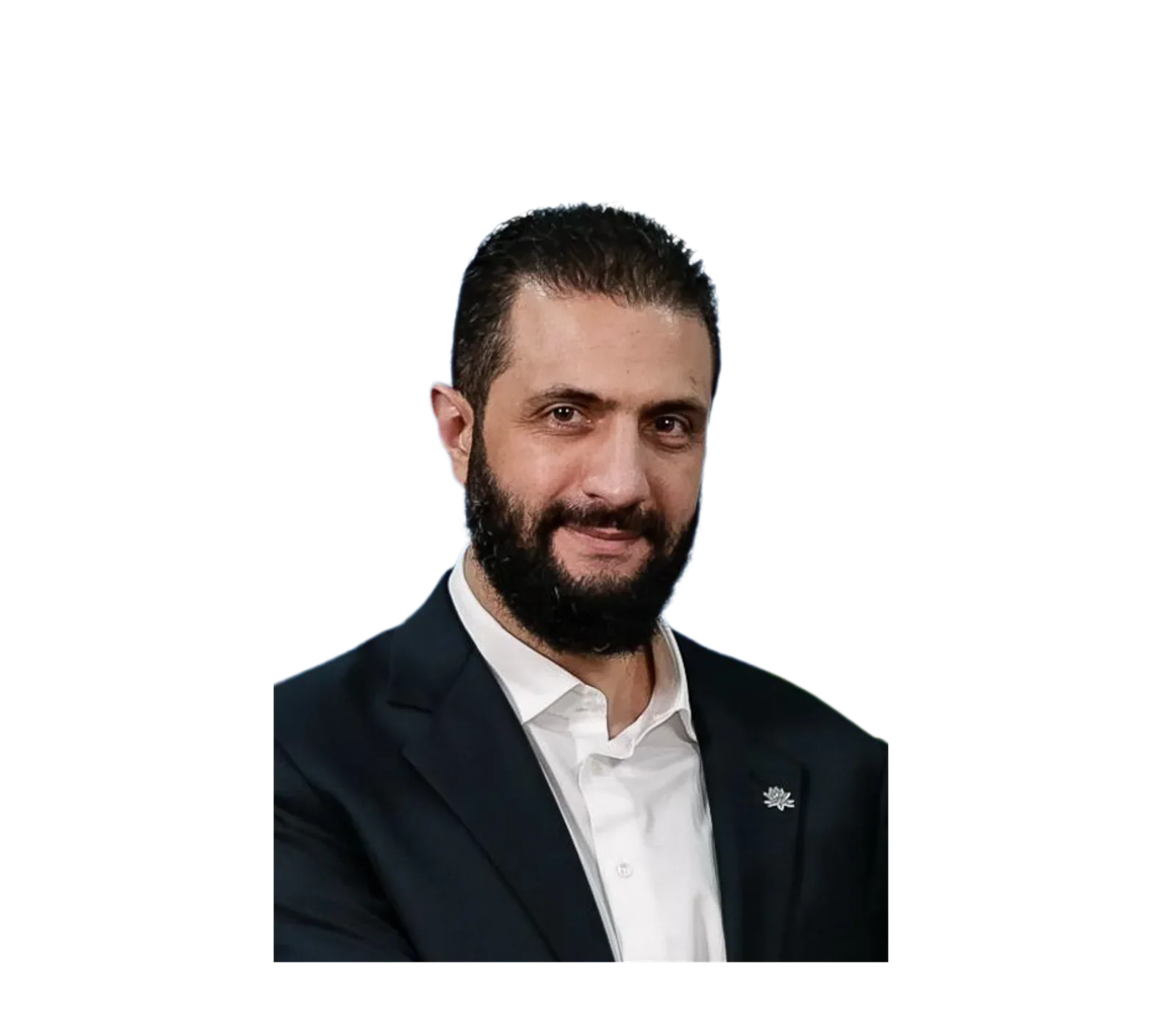
Almost a year ago, on December 8, 2024, Hay’at Tahrir al-Sham (HTS) forces captured Damascus, Syria, the capital and centre of the Assad regime’s power for over fifty years. The civil war began when Bashar al-Assad who had trained as a doctor in London was targeted by children, influenced by the Arab Spring, graffitiing “it’s your turn, doctor” on a wall in Daraa. Assad had these children tortured, sparking riots across the country which soon evolved into a complex thirteen-year-long civil war.
But a year on, tensions in Syria are still unsettled. Worries that Syria has replaced one tyrant with another persist, because prior to new president Ahmed al-Sharaa rubbing shoulders with podcasters and world leaders, he was dropping out of university to join al-Qaeda. After completing this apprenticeship in terrorism, he was sent by an early iteration of ISIS to open an al-Qaeda franchise in Syria.
Eventually al-Sharaa broke up with ISIS, who he felt were too internationally focused, sparking infighting within the opposition forces. Despite this split, it is hard to forget that under the pseudonym al-Julani, the president was once one of the most wanted men in the world with a $10 million bounty from the US. Al-Sharaa’s split with ISIS allowed a move to cooperation in Syria, a theme he has continued in the transitional government’s wide representation of minorities.
Unfortunately, these compromises have done little to extinguish tensions, with attacks in March by Assad loyalists on government facilities resulting in Alawite civilians facing extrajudicial killings. These were conducted by government affiliated force who were supposed to have been disarmed or absorbed by the military. The fact that these killings happened in a region where Assad’s regime once committed similar crimes makes it seem that Al-Sharaa is as tyrannical as his predecessor.
While, Al-Sharaa’s condemnation and judicial proceedings against these groups would not have been brought by Assad’s government, this positive move is too little, too late for hundreds of dead civilians. The former regime’s forces, whose attacks sparked these murders, are loosely tied to Iran, highlighting the pressures al-Sharaa faces on the global stage. It is not just the Iranians who have interests and ties to fighting in Syria.
The US, Israel, Türkiye, and Russia are all heavily invested. Israel has long claimed the Golan Heights, near where al-Sharaa’s family lived until Israeli forces displaced them under a range of justifications, including that they were defending the Druze minority. While killings of Druze people reinforce this narrative, the mountainous Golan Heights suspiciously provides the perfect location for radar, which is especially important in the era of drone warfare.
Can al-Sharaa really accept any justification for the occupation of his home by a state he had been violently opposed to in his past careers? Turkish and US concerns revolve around the Kurds. Al-Sharaa seemingly holds a grudge against Kurdish fighters who are represented in the new government by Kurds not affiliated with the SDF, the main Kurdish force in Syria, who were allies of the US against ISIS.
Despite this, al-Sharaa has defended these groups from Türkiye, requesting they not attack their long-term foes helping keep ISIS prisoners and territory under Kurdish control, benefitting the US. Türkiye surely will not allow this for long, and with increasing US isolationism Syria is playing a dangerous game. Similarly, Russia’s recall of Wagner forces to fight in Ukraine contributed to the end of the Assad regime, yet there are still Russian bases, and with Assad taking refuge in Moscow, al-Sharaa is dependent on Russia not prioritising Syria.
Russian and American neglect has created a situation where Syria must deal with different powerbrokers in Israel, Türkiye, and Iran—three nations that are not renowned for compromise. The domestic situatio-n is complicated by tensions among minority groups, some of whom may respond violently to threats. These external and internal pressures risk the return of al-Sharaa’s alter ego—the fierce and tyrannical al-Julani.