
As a former fresher, I can vouch for the freshers’ week roller-coaster. Before moving to Cardiff, I had meticulously planned out every outfit I wore during freshers’ week. Taking advice from various social media platforms, the majority of my freshers’ week wardrobe was made up of ‘trending’ fast fashion pieces. A year later, my freshers’ outfits were just pieces I already own, pulled from the depths of my wardrobe. Clothing micro-trends are hard to avoid (especially during freshers’ week), but it is important that we stop feeding into the ever-accelerating fast-fashion cycle.
There is no denying that micro-trends are the fuel to fast fashion engines. The alarming rate at which clothing companies capitalize on micro-trends has pushed consumption to terrifying new levels. Many of these fashion companies have questionable track records when it comes to labor and environmental impact; they design, produce, and sell ‘trendy’ clothing for often under five pounds – a questionably low price if you consider the manufacturing process behind the garment.
Historically, trend cycles repeat every 20 years. The main influence on 90’s style was a 1970s revival in women’s clothing, inspired by the disco look and famous flared jeans. Online, almost every week there seems to be a new fad that is the ‘must-have’ item, building up a frenzy that sells the product out almost immediately. Since the rise of social media platforms micro-trends have accelerated the trend cycle from years to months, and more often than not, merely weeks. Rapidly rotating fashion cycles create a breeding ground for micro-trends and encourage over-consumption.
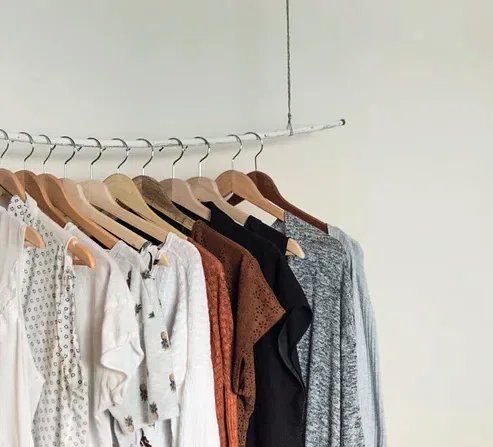
Arguably, micro-trends shouldn’t be considered entirely negative – with accelerating trend cycles, re-visiting fashion trends quickly is not new. Much to the disgust of some, many of these micro-trends have been plucked out of the past with the same enthusiasm taken to eyebrows in the 90s (the skinny brow is back by the way). Not every micro-trend is evil, in fact, many of the trends we are currently witnessing on social media platforms encourage consumers to participate in conscious consumption – vintage hauls, and charity shopping videos have infiltrated mainstream fashion media. Second-hand clothing platforms like Vinted, Depop, and eBay have surged in popularity, particularly among Gen Z due to the affordable prices and quality clothing offered on these sites. Furthermore, ASOS, the largely considered fast fashion brand has introduced ‘asos marketplace’, second hand shopping made as convenient as next week's fad.
fad.