
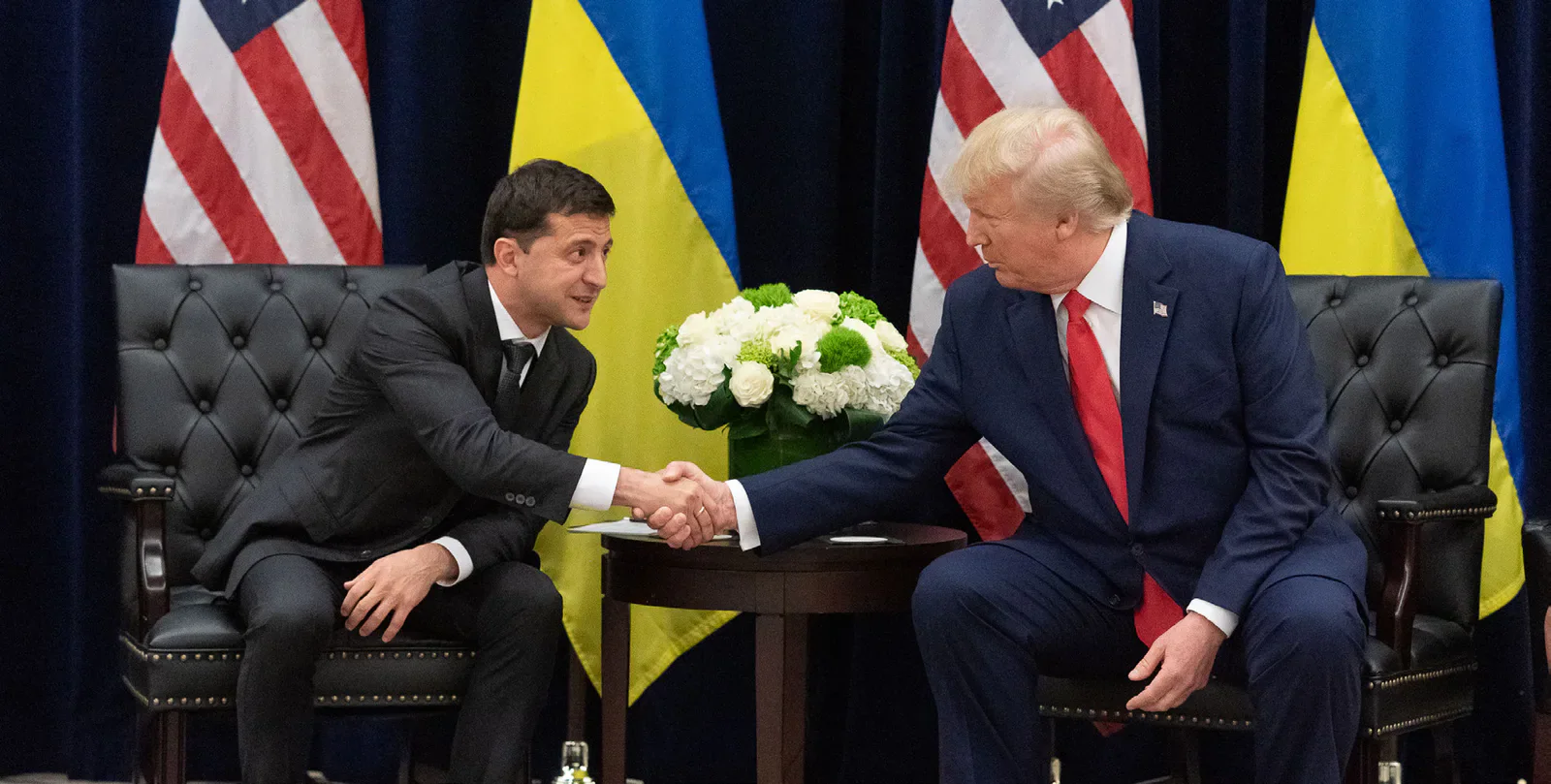
In a surprising turn of events, following his meeting with Ukrainian President Volodymyr Zelenskyy at the UN General Assembly on the 23rd of September, Donald Trump recently posted on Truth Social that he thinks that, with the support of the European Union, Ukraine is “in a position to fight and WIN all of Ukraine back in its original form.” This shift, while substantial indeed, is not completely out of the blue. In an exclusive phone call to the BBC back in July, Trump was quoted as saying he was “disappointed but not done” with Russian President Vladimir Putin - one of many signs that the leaders’ relationship was steadily disintegrating. This comes in stark contrast to their previously cordial, even collaborative working relationship.
Why, then, has this shift taken place, and what exactly could it mean? Ostensibly, this deterioration stems from Trump’s frustration with Putin’s failure to end the war in Ukraine. As early as the beginning of his second term as US President, he has criticised the Russian leader, threatening tariffs should he not end the “ridiculous” war, warning “severe consequences”.
This recent turn, however, marks unquestionably the most significant example of Trump showing direct support for Zelenskyy and Ukraine, as opposed to just criticising Putin and Russia. Meanwhile, he described the aforementioned meeting with Zelenskyy and other European leaders as “very friendly”, while the Ukrainian President referred to him as “well-informed”. This, itself, is contradictory to the clear hostility between the pair evident previously, such as when they got into a shouting match in February this year, with Trump insulting Zelenskyy as a “dictator without elections.” That Trump is showing support for Ukraine is an undeniably positive sign for their position in the war, which has brutalised the country since February 2022, yet this change in attitude has, as of right now, not been reflected in any substantial changes in policy.
This may change, though; US Vice-President JD Vance has said that the Trump administration is currently debating whether to allow the use of Tomahawk missiles in Ukraine, which could mark a humongous turning of the tides in Ukraine’s ability to defend itself against Russian invaders. Key to note is that Trump gets the so-called “final determination” on the matter. Whilst his words have been in favour of Ukraine, will his actions reinforce that?
Despite their friendship currently facing an impasse, it is true that both he and Putin have been close allies for a number of years. What it ultimately comes down to is whether this impasse is one that they will get over, or if Putin’s prolonging of the war is the straw that has finally broken the camel’s back, and will prompt Trump to act in support of Ukraine, rather than just speaking as such. Certainly, Trump’s words could be described as erratic recently.
From a rant on Truth Social about how people taking Tylenol while pregnant is what causes autism - in direct opposition to medical evidence - to claiming he “hates” his opponents and doesn’t “want the best for them” at the funeral of Charlie Kirk, going against Kirk’s wife Erika’s prior speech about forgiving her husband’s killer, he has said many things some might consider to be unfounded, unreasonable and unprofessional. This raises the question, then, of how much stock can be put into his words about Ukraine.