
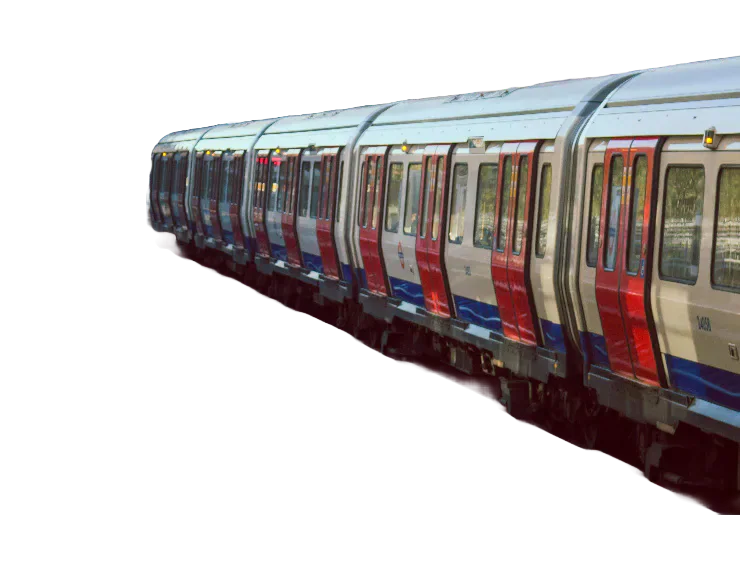
Trains, the most ubiquitous of all public transport methods, and thanks to the Industrial Revolution an integral part of the building of the modern world. Why then in later years has this form of transport and this key network become, for the UK at least, an embarrassment? I write this from the position of someone who relies on the train network to get to university and someone who needs to modify their travel times and expectations to be sure to arrive anywhere remotely on time.
This feels like a universal experience, the UK’s train system is flawed, with franchises such as Avanti West Coast being noted as having “unacceptable performance”, according to the BBC. It would seem that successive governments’ underfunding of the network and indeed the concept of rail travel is to blame. We see no investment in new infrastructure compared to that in most other countries, and our current system seems to be breaking at the seams, with any hint of weather change disrupting the operation of whole networks. All this against continually rising ticket prices—which seems like the greatest injustice of all.
Of course there are plans and developments: the new Cardiff stations are a good example of forward thinking, and the reinstating of older and more provincial rail lines closed during the Beeching cuts of the 1960s seems like a good way to reconnect the city centres to their outlying districts.
If the government insists on making trains an integral part of future transport in the UK under their net zero plans, they will need to address the costs of tickets as a priority, ideally looking at some form of subsidisation. This gives an incentive to use rail travel as a viable means of commuting and journeying and thereby reinstating it as the UK’s principal network. An increase in use forces better infrastructure and investment. London’s Stansted and Heathrow airports have now both been promised additional runways as the government sees value and potential revenue sources in aviation. So why not do the same for rail travel?
Other countries are way ahead of the UK in this—mainly through investment in high-speed rail networks which point to a future of easier and more logical connections across the country. The HS2 plan is the first installment of this response, but seems to have been blighted by revisions, delays and overspending.
In order to be seen as competitors in global rail travel, net zero funding needs to be invested in similar projects across the UK Many other European countries offer subsidised rail travel without excessive regulations and infrastructure costs getting in the way. According to the European Data Journalism Network, countries that have done this, like Germany and Spain, have seen increased usage and satisfaction with their services. China is also acting similarly to the tune of 128 billion dollars in 2015. Why then is the UK unable to match this?
Surely the idea of a fixed-rate ticket or something similar—perhaps within geographical regions with specific operators—would be of more benefit for day-to-day travel than the current young person’s railcard. The idea of subsidising rail tickets in the UK should be considered, as it would be an important part in moulding the future of British transportation and would, not unlike the NHS, help re-find its status within British society.