
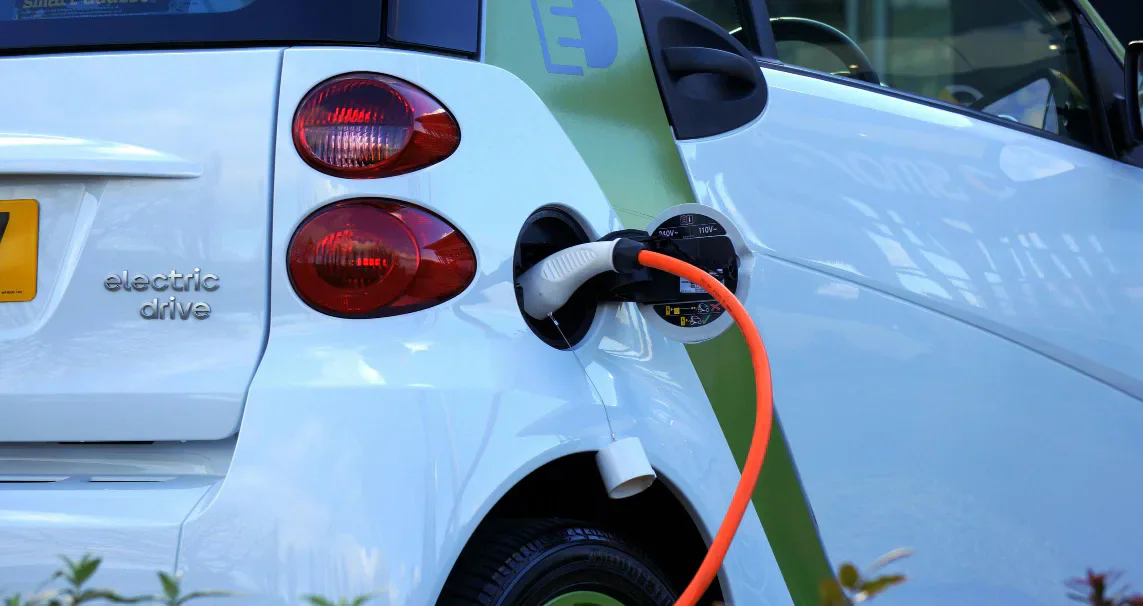
The Climate Change Committee’s (CCC) “carbon budget” strategy proposes that by 2040, 80% of the vehicles on British roads must be electric, and half of the households should get rid of gas boilers in exchange for heat pumps. If accepted by the government, these recommendations become legally binding. However, the goals could be seen as too high, with only 2.8% of cars currently on the roads being electric and just 0.6% of homes being heated by heat pumps.
Domestic home energy use represents 14% of total UK emissions, while transport represented 26% in 2021. By switching to heat pumps and EVs, the UK can slash its emissions rates by targeting some of the biggest sectors, which would make our climb to the lofty net zero mark more attainable by 2050. However, the degree to which suggestions are realistic or even possible is debated. Presently, electric vehicles (EVs) cost about the same as petrol and diesel cars—and with further technological advancements on the horizon, those costs could decrease further. Heat pumps are still expensive; however, the CCC highlights that this has not prevented other countries from adopting them enthusiastically, like Ireland and Norway. In Norway, subsidies, cheap hydropower electricity, and a strong policy against fossil fuel heating have aided this uptake of heat pumps. Meanwhile, the UK is stuck in a more mixed set of energy sources while simultaneously having some of the world’s most expensive electricity thanks to marginal price costing and a less robust fiscal incentive. Whether the UK will follow in Norway and Ireland’s footsteps depends on the force with which the government can successfully drive the transition. While heat pumps are more efficient than gas boilers, cutting heating bills by an estimated 27%, affordability poses a significant hurdle. Initial installation costs can exceed £10,000, so economically speaking, widespread adoption seems unlikely without decisive intervention from the government.
Switching to EVs brings additional infrastructure challenges. For one simple example, the UK would have to increase power generation by 25% to match the increasing demand. In practice, this would mean large ramp-ups in investment in renewables and an enormous expansion of the already incredibly outdated electrical grid. All of this while electrical storage capacity in the UK is also miles from ready for this increase. Hinkley Point C, a symbol of the UK’s effectiveness in large infrastructure projects, has had a large series of postponements for completion and activation. At the same time, BP, the leading UK supplier of EV charging points, has recently walked away from its climate commitments. This highlights issues for the government in reaching these goals. When this process relies so heavily on cooperation from the private sector, the government will be required to implement substantial incentives for the process to be economically viable for the private sector.
The other issue is public acceptance. Surveys tell us many UK drivers still cite range fear and lack of charging points as crucial reasons for hesitating to switch to EVs. Even with improving battery technology and potential cost reductions, with future LFP batteries on the way, slow recharge times and a patchy distribution system remain primary considerations, whether justifiably or not, in the consumer’s mind and, therefore, stand as a social wall to be addressed. If the government chooses to accept these recommendations, it will have to bring great economic incentives to the market, great messaging to the populace and great deals to the private sector, on whom they will deeply rely for much of the progress needed to meet these goals.