
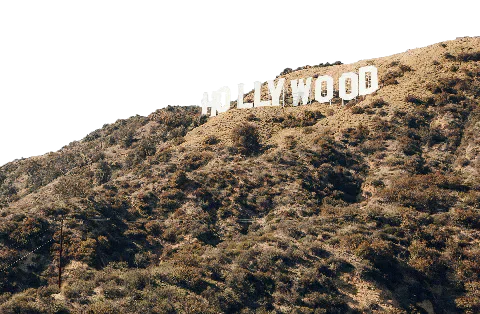
Have you heard of Tilly Norwood, the newest face in Hollywood? Her unique selling point is that she is not real: nothing more than AI generated code. You’d be forgiven for thinking differently, as her beautifully waved hair is just dishevelled enough to look human, and her dimpled cheeks give her a warmth not associated with ChatGPT.
She made her acting debut in a comedy sketch called AI Commissioner. Actors across Hollywood responded with a mix of outrage and fear, and rightfully so. Black Mirror fans may remember Hotel Reverie, a story about an actress who is plunged into a simulation full of AI versions of previously dead actors.
While heavily dramatised, the idea of films being created using entirely AI versions of real actors no longer seems like a far-fetched sci-fi episode. So should we be worried? AI actors have already been used in films for smaller roles, like younger versions of actors (see Will Smith in Gemini Man), stunt doubles (see Fast and Furious) as well as background characters (see Love, Death, & Robots).
When used in these ways, AI can be a useful storytelling tool. After all, you can’t go back in time and shoot scenes with younger versions of actors in real life, so, AI brings about new possibilities. But could they replace actors entirely?
Currently, AI actors are not cheaper to use in film than real actors, but this could change. Actors need only worry when companies can make more money without them, which could eventually be the reality. The film world is beginning to respond, perhaps too slowly.
California has just passed a new law (AB 1836), which means that actors must give their consent for their likeness to be used in film, requiring contracts to include clear descriptions of the intended use of the performer’s likeness. Another law (AB2602) also protects the dead – actors’ likeness cannot be used if they are not alive to give consent. California is not the first place to enforce restrictions on AI using people’s likeness, but it is the first to explicitly protect actors.
This follows a wider debate in the creative world surrounding the use of AI in art. A fundamental aspect of what makes us human is our ability to create. Rather than using AI as a tool in art, as it has before by artists such as Refik Anadol or Anna Ridler, actors fear that AI could replace them in the film world.
We want real people with the full range of human emotions
But, California offers a glimmer of hope in the film industry. These new laws reflect a truth: that we humans will always prioritise human art. California’s new laws show that we don’t want a film industry full of Tilly Norwoods.
We want real people with the full range of human emotions in our films. While it doesn’t seem likely that we are at risk of losing this any time soon, the rest of the world needs to match the speed of technology and legislate against the unauthorised use of actors’ likenesses in films.