
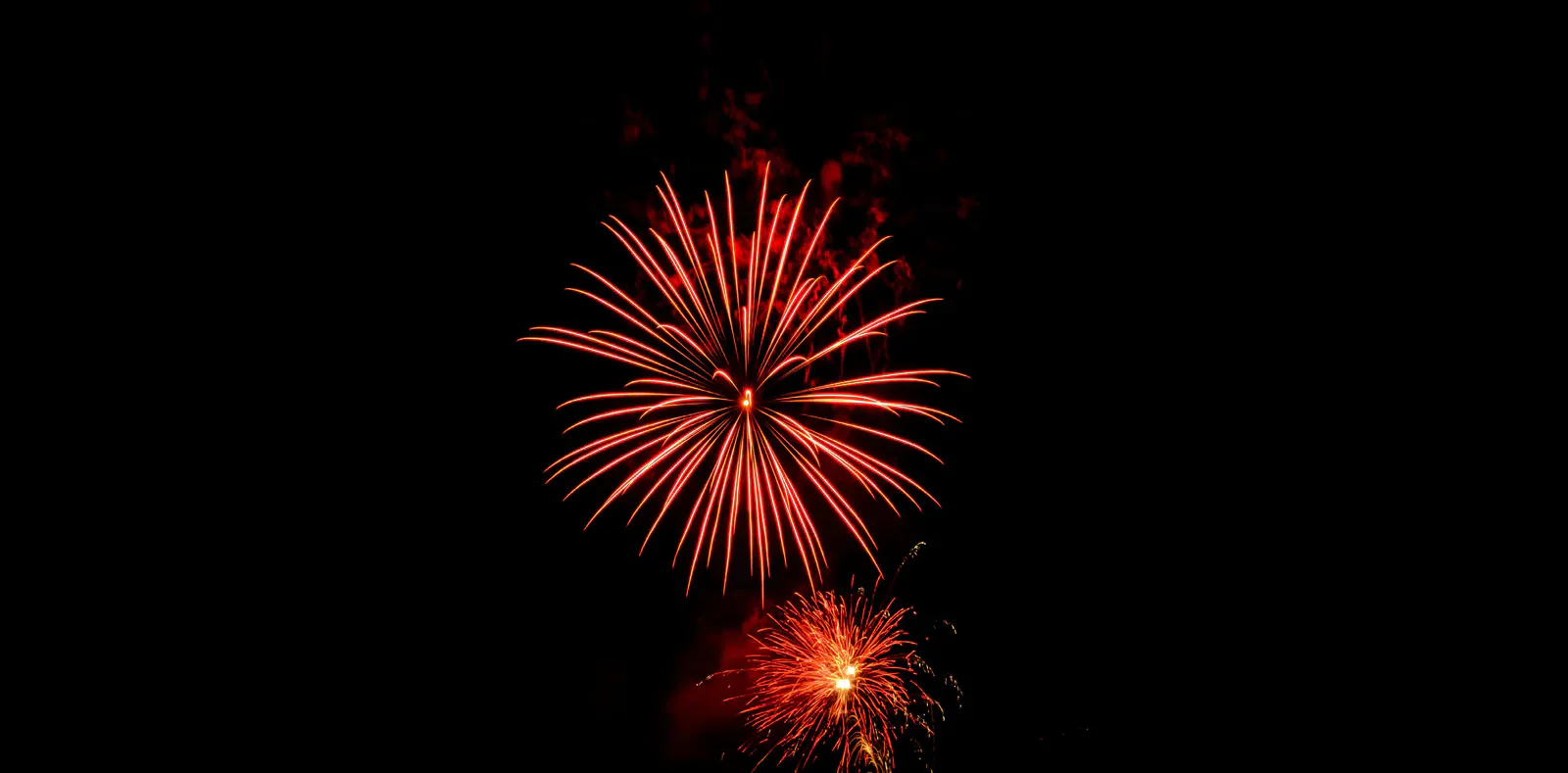
A proposed law to ban the public sale of fireworks louder than 90 decibels—equivalent to a lawnmower— has ignited passionate discussions across the UK, challenging the status quo of celebration norms. The Fireworks Bill, introduced by Luton North MP Sarah Owen, faced its first parliamentary hurdle on the 17th of January, but was cut short due to time constraints, with a second reading now scheduled for the 25th of April.
At the heart of this legislation is a push to restrict the loudest “commercial-grade” fireworks to licensed professionals. Currently, fireworks sold to the public can reach up to 120 decibels—as loud as a rock concert—a level that has long been a source of distress for vulnerable groups, pets, and wildlife. The bill argues that this noise level is not only disruptive but potentially harmful. The proposed 90-decibel cap has garnered cross-party support, with Labour’s Andrew Pakes and Conservative MP Simon Hoare among its backers. They see the bill as a potential solution to curb antisocial behavior and address the year-round misuse of fireworks. Owen, citing constituents in Luton North, painted a vivid picture of the problem: “Fireworks are being used almost as a weapon”, she told the Commons, describing how the unpredictable explosions disrupt sleep for children, exacerbate PTSD in veterans, and terrify non-verbal autistic individuals who cannot anticipate the noise. The bill’s supporters are not alone in their concerns. Over 1 million people have signed a petition demanding stricter regulations, while organisations such as the RSPCA and Combat Stress have thrown their weight behind the 90-decibel limit. “This isn’t about stopping celebrations”, Owen emphasised, “but ensuring explosives meant for displays don’t end up in the wrong hands”. However, the proposed legislation has its critics. The British Fireworks Association warns that stricter rules could fuel black-market sales and undermine cultural events like Diwali or New Year’s Eve. Owen countered these concerns by pointing to Edinburgh’s existing ban on public fireworks sales, implemented after riots in 2023, as an example of successful local action. The debate reflects a growing scrutiny of fireworks’ societal impact.
Current laws allow adults to purchase powerful, loud fireworks throughout the year, a situation that MP Andrew Pakes described as a “perverse loophole” that enables misuse. These fireworks, classified as Category F3, are intended for outdoor use in large open spaces but are often set off in residential areas. “We can have more light, less bang. Fireworks should inspire awe, not anxiety”.
Pakes argued, encapsulating the bill’s ethos. This statement highlights the desire to maintain the visual spectacle of fireworks while reducing their disruptive noise levels. Proposed amendments to existing regulations include limiting sales to licensed shops and raising the purchase age to 21.
While the bill’s delay leaves current rules unchanged for now, its supporters argue that momentum is building for national change. In various UK cities, community groups have begun advocating for designated quiet zones during fireworks seasons, aiming to provide safe spaces for those most affected by loud explosions. These grassroots efforts reflect a growing awareness of the need to balance traditional celebrations with community welfare. As the debate continues, the bill’s supporters remain hopeful. One parent of an autistic child, in a letter to Owen, summed up the sentiment driving the legislation: “Quiet nights shouldn’t be a luxury.”
With the next parliamentary reading set for 2025, the coming months are likely to see continued discussions on how best to balance the joy of celebrations with the need for community peace. As this issue develops, it serves as a reminder of the complex interplay between tradition, celebration, and social responsibility—a debate that resonates deeply within communities across the UK.