
If recently you’ve tried, like me, to compensate for your post-night out McDonalds by trying to make a salad, you’ve likely been disappointed to discover that tomatoes and other vegetables can scarcely be found in UK supermarkets.
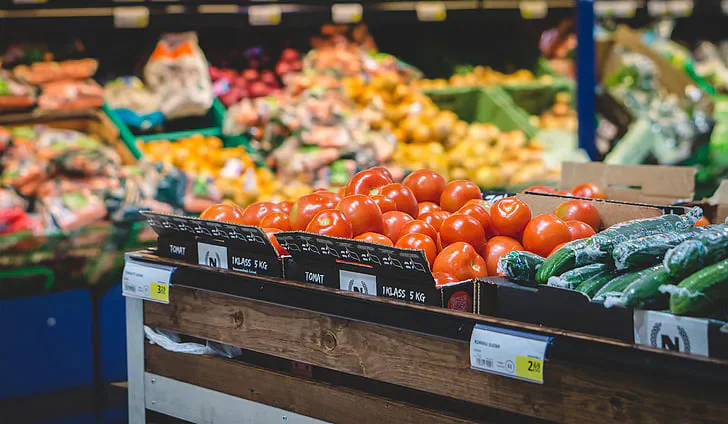
The UK government has said that there have been limited supplies of vegetables coming to the county from mainland Europe and Africa due to poor weather in these regions. Consequently, supermarkets have been forced to limit the quantities of certain vegetables that customers can buy.
Tesco, have had to limit sales of peppers, cucumbers and tomatoes to three per customer. Tesco has also added a label to their cherry tomatoes to reassure customers that despite the tomatoes looking lighter than usual, they are still safe to eat. Students’ favourite budget supermarkets Lidl and Aldi have also placed limits on the sales of some products.
The main reason for the shortages is because of poor weather in countries like Spain and Morocco. In winter months the UK becomes more reliant on Spain and countries in North Africa; we import 95% of our tomatoes and 90% of our lettuces from these regions. However, Spain has been experiencing unusually cold weather, making salad vegetables harder to grow. The vegetable shortage comes as parts of Barcelona became covered in seven centimetres of snowfall and as Majorca issued a rare red winter weather alert. Temperatures in Barcelona in February are usually between seven and fifteen degrees Celsius.
Domestically, the UK is also experiencing cold weather with the Met Office predicting a freezing spell this March. This has led to the National Farmers’ Union warning the planting of onions, asparagus and rhubarb could be impacted.
However, cold temperatures aren’t the only issue facing UK vegetable supply chains, as last year’s scorching summer begins to show its impact. The Chief Executive of the British Grower’s association has warned that last year’s drought could lead to consumers struggling to buy traditional British vegetables like leeks and carrots.
This precarious situation has led to some people questioning whether this crisis has been made worse by the UK being outside of the EU, as seen when President of the European Commission Ursula von der Leyen visited the UK last month people asked on Twitter “can you bring us some tomatoes?”
However, experts claim Brexit has played only a tiny role in the shortage. Michael Winter, Professor of Agricultural Change at Exeter University, believes climate change and a lack of investment in domestic industry have been more prominent catalysts. It is also important to note that shortages have been reported in Spain and Poland.
UK Environment, Food and Rural Affairs Secretary, Thérèse Coffey, caused a frenzy when she said in Parliament that the British public “cherish the specialisms we have in this country” suggesting we eat turnips instead.
The Labour MP for Exeter responded on Twitter with “Let them eat Turnips! #TomatoShortages”. Downing Street defended Coffey’s comments, saying she was promoting British farming and rejected claims that Brexit was the cause of vegetable shortages.