
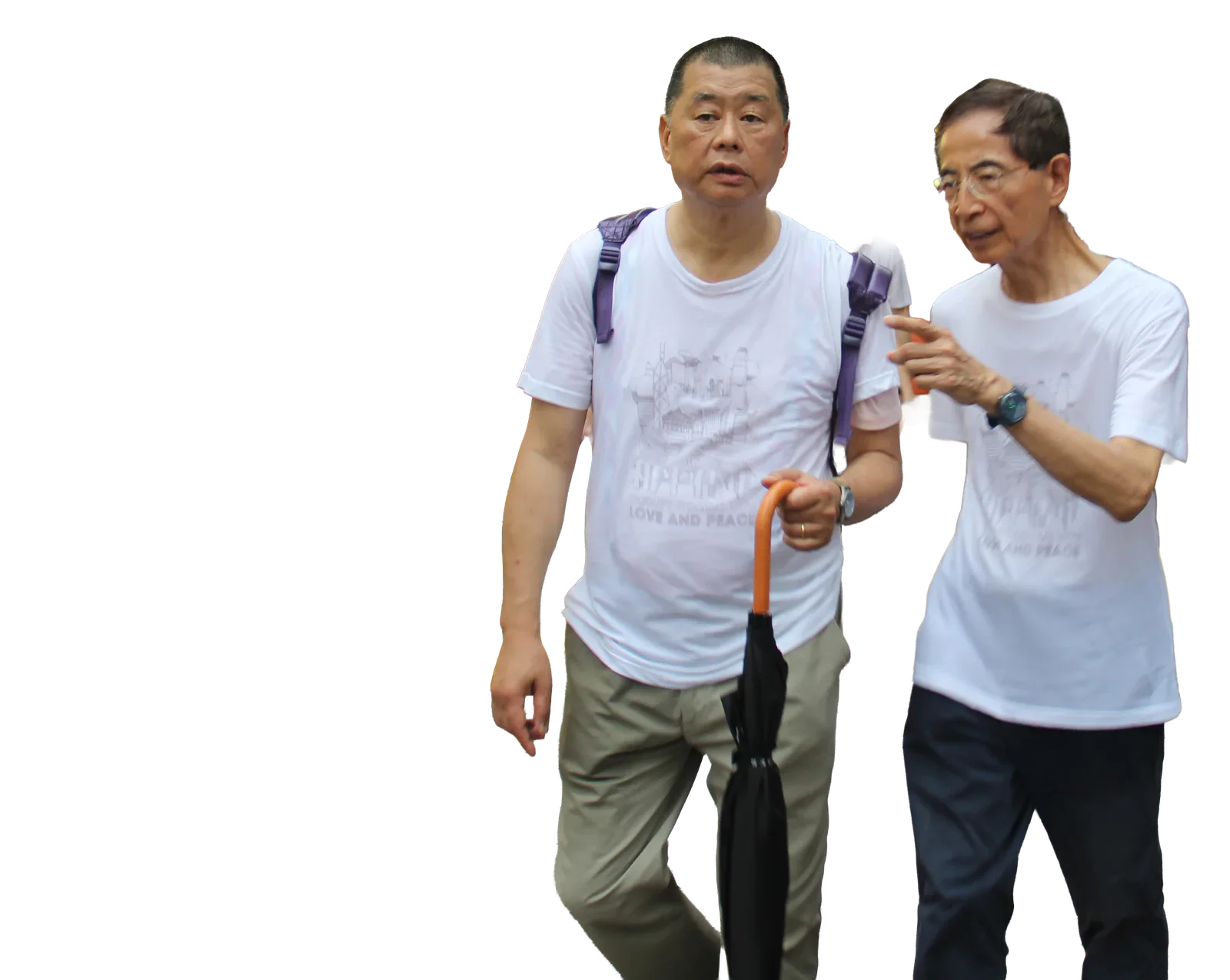
Convicted in December, Hong Kong businessperson and entrepreneur Mr Lai has been accused of sedition and conspiracy to collude with foreign forces. The verdict was expected. It will come as no shock that Mr Lai is also a prominent figure in Hong Kong’s fight for democracy, a movement that had benefited massively from his continued support.
It can be strongly suggested that this sentencing is politically motivated — China utilises its legal system as a weapon against those critical of the regime, charging dissidents with a host of terror related offences.
The introduction of the Hong Kong National Security Law in 2020 criminalised all forms of protest, and hobbled Hong Kong’s once thriving pro democracy protests.
The Protestors were resilient and had weathered several months of clashes with police that often turned violent; water cannons and tear gas often deployed at civilian demonstrators.
But this law transformed the region in a matter of days, crushing autonomy, and with it, visible and collective opposition to Chinese rule.
Official figures from 2023 point to the accumulated number of arrests as near 10,566, with over 3000 charged.
Mr Lai’s twenty-year sentence, however, is the harshest punishment dished out to an activist so far.
We can measure this against other high-profile cases, such as the fates of the Hong Kong 47. This group was composed of other key figures of the movement, with their sentences ranging from 2 to 10 years.
So, what does this sentencing signal of China’s approach to Hong Kong?
The extremity of this sentencing is significant and reflects a trend in Chinese state oppression which mirrors historical violence.
We may consider that China is building upon and perfecting strategies of suppression and censorship that have already been used on other civilian populations, including China itself at one point.
During the cultural revolution of the 1960’s and 70’s, Mao Zedong encouraged students to purge ‘bourgeois’ elements from Chinese culture which often culminated in mob violence.
It is logical to draw parallels between the university academics and students who were ritually humiliated in front of crowds of thousands, and the widely publicised sentencing of Mr Lai within China and Hong Kong.
Indeed, China’s press is beholden to governmental powers— a fate that has been pressed on to Hong Kong’s media.
The region’s former big players of independent speech have been forced to close, including the independent prodemocracy newspaper Apple daily; a publication that Lai formerly owned.
Hong Kong’s publications now follow approved state narratives, with the chief executive John Lee praising the severity of the sentence. ‘He has committed numerous heinous crimes, and his evil deeds were beyond measure.’
It is painfully ironic that Jimmy Lai, a man who recognised the power of the media and used his financial success to aid the production of unrestricted journalism, has now been constricted into a figure of hatred within government controlled media.
This public punishment can only be intended as a warning to Hong Kong’s population.
As aforementioned, only 3000 protestors were arrested, but hundreds of thousands have taken part in pro democracy protests since 2014.
Considering a decent percentage of the population found the courage to take to the streets against Chinese administration of the region — an amount so large that the arrests don’t even begin to touch the surface of individuals involved — suggests that anti CCP sentiment runs deep in Hong Kong’s collective consciousness.
China recognises this collective dissent and has used Lai’s extreme sentence to effectively warn civilians against taking action.
The notion that China’s approach to Jimmy Lai (and by extension Hong Kong) is historically reflective of earlier humiliation rituals should be a warning to western countries.
A red flag to those in the west.
In the wake of America’s spiral into political hostility with Europe, some western countries have looked to China for new trade partnerships.
This western surge for trade is not wholly unfounded considering the economic downturn the world appears to be experiencing, yet seeking a saviour in China will have deadly consequences for those living.
In overlooking the abuses of Lai’s human rights, the west has ultimately placed profit over people.