
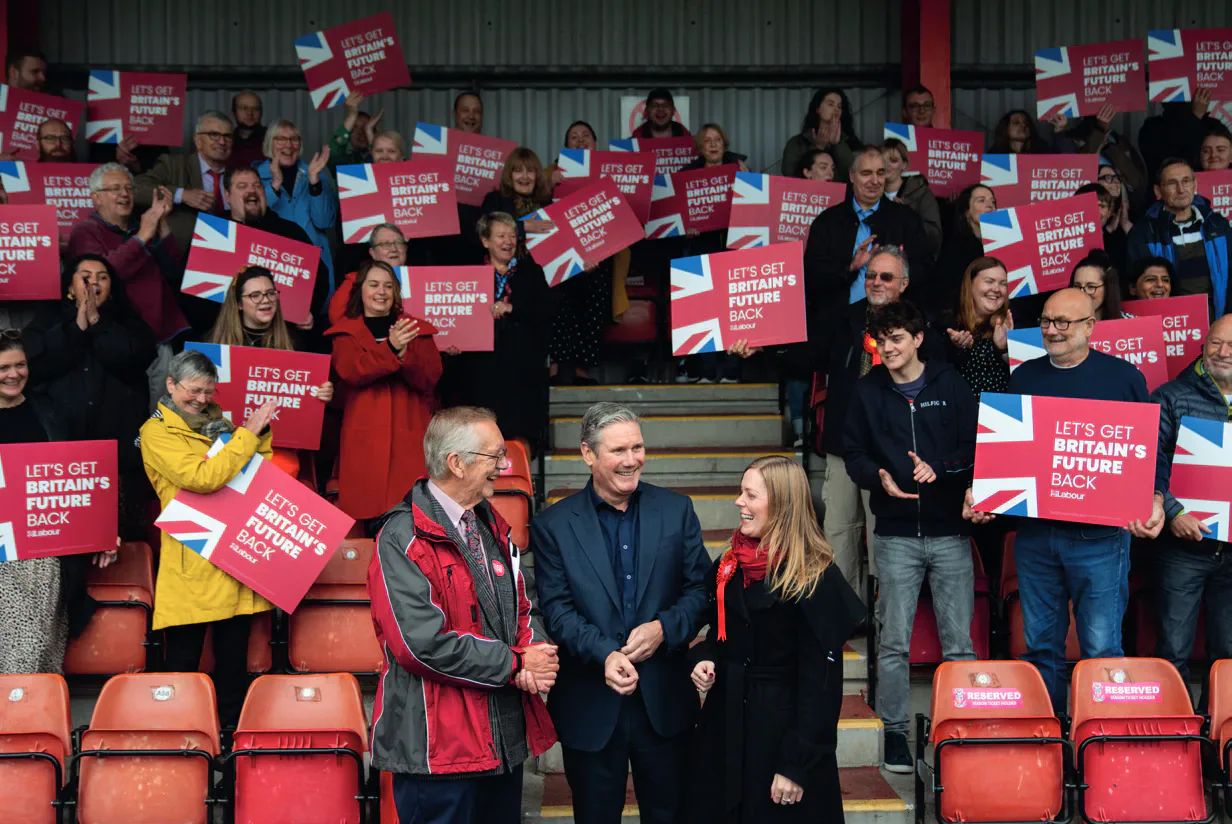
Labour has been victorious in two further by-elections this month as former-Conservative constituencies ‘Mid-Bedfordshire’ and ‘Tamworth’ turned red. This comes two weeks after Labour won another by-election against the SNP.
Both seats were safely Conservative, with the party winning huge majorities in 2019: just under 10,000 in Tamworth and 25,000 in Mid-Bedfordshire. However, following Labour’s win in the constituency of Selby & Ainsty, as well as the Liberal Democrats numerous byelection victories in Southern England, a Conservative loss in the constituencies looked more likely.
In Mid-Bedfordshire, a constituency which has returned a Conservative MP since 1931, Labour increased their vote share from 2019 by 12.4% while the Conservatives saw their vote share fall by 28.7%. Overall, Labour won a 1,192-vote majority in the constituency, which leader Keir Starmer attributed to being a result of former-Conservative voters “despairing at the state of their own party” and turning to Labour.
The Liberal Democrats also performed well in Mid-Bedfordshire, where they came third in this three-way fight with 23.1% of the vote share. This is double what the party achieved in the 2019 general election, leading deputy leader Daisy Cooper to claim her party “played a crucial role in defeating the Conservatives”. This was disputed by shadow minister Peter Kyle, who called the Liberal Democrats’ campaign “dumb politics”.
Further north, in Tamworth, Labour increased their vote share by 22.1%, achieving 11,719 votes, whilst the Conservative vote share dropped by 25.6%. The seat has previously been represented by Labour between 1997 and 2010.
In looking at the results, it’s important to remember why these by-elections were triggered. Mid-Bedfordshire’s previous MP, Nadine Dorries, announced in June that she would resign her seat “with immediate effect” after “duplicitously and cruelly” being blocked from appearing on Johnson’s resignation honours list by the Prime Minister. Furthermore, Tamworth’s former MP, Chris Pincher was forced to resign amid allegations of sexually assaulting two men.
Rishi Sunak attributed these factors to the losses, adding that byelections were “always difficult for incumbent governments”. yet the results have certainly provided a boost for Keir Starmer.
However, Professor Pete Dorey of Cardiff University believes Labour should be cautious when boasting its victory. In both constituencies, turnout was down by over 20,000 as compared to 2019, implying Conservative voters may be staying home until the next election. Labour’s majority in both constituencies was also just over 1,000 which is less than the number of votes the new right-wing party ‘Reform’ achieved.
Time will tell whether these seats can be held at the next election, or whether the results just reflect anger at the incumbent Conservative government.