
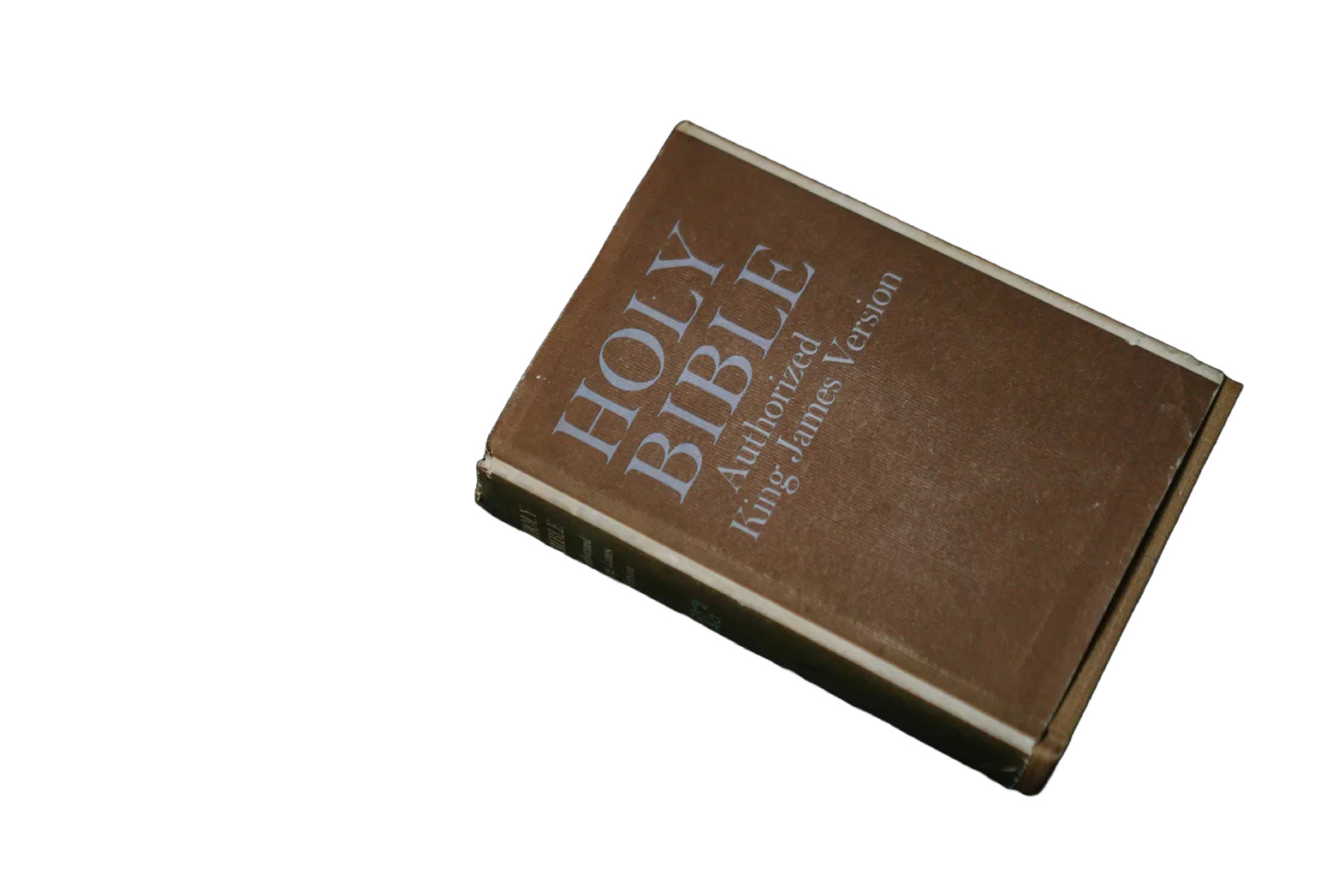
With the world watching on at the scenes unfolding in the Capitol Rotunda, there was an inescapable sense that this was an inauguration unlike any other, in particular the theme of evangelicalism which ran throughout the inauguration. Not only was this potent brand of religious sentiment evident in his inaugural speech, it was laid bare throughout the swearing-in ceremony. Notably, there was the prayer given by evangelist Franklin Graham: “Mr President, the last four years, there are times I’m sure you thought it was pretty dark, but look what God has done.” Needless to say, he painted Donald Trump’s re-election as an act of divine intervention. Not wishing to be outdone by his evangelising counterpart, the preacher Lorenzo Sewell rose to give a bellowing sermon, which called for letting “freedom ring from every hill and every molehill in Mississippi, from every state, every city, every village”, and continued the claim that the election of Trump was divine intervention, further cement the portrayal of Trump as a modern quasi-prophet figure. No matter one’s opinion on what the relationship between religion and government ought to be, it is open to ponderance what Founding Father Thomas Jefferson would make of it all, given his 1804 remark: “In matters of religion, I have considered that its free exercise is placed by the constitution independent of the powers of the general government.” He also argued for “a wall of separation between church and state”.
While the relationship between evangelical Christians and Republicanism has been demonstrably more flagrant during the Trump years, it is by no means a modern phenomenon. It was, after all, Franklin Graham’s enigmatic father Billy Graham who was a close confidant of Richard Nixon, with taped conversations, released in 2002, providing an insight into the nature of the relationship between the figurehead of evangelicalism and the Machiavellian occupant of the White House. When it comes to their attitudes towards Jews, the two were closely aligned, with Graham stating to Nixon that the Jewish “stranglehold” of the media “has got to be broken or this country’s going down the drain”. “You believe that?”, Nixon replied, prompting a proud “Yes, sir”, from Graham. Rather than question his antisemitism, Nixon revelled in it, stating in response: “Oh, boy. So do I. I can’t ever say that, but I believe it.” While it is difficult to do it justice here, Billy Graham was a figure of monumental significance in spearheading the evangelical movement, with Graham, over the course of his life, preaching in front of over 210 million people in more than 185 countries and territories. Graham’s brand of evangelicalism has stretched far and wide, from the rise of Hillsong Church in Australia, to Bethel Church in the United States—examples of so-called “megachurches”.
While their teachings and geographical locations may differ, 21st-century evangelical “megachurches” have been instrumental in their backing and support of Donald Trump. This is evident in the actions of Kris Vallotton, senior associate leader of Bethel Church, who prophesied that Donald Trump would win re-election in 2020; as well those of Bill Johnson, senior leader, who claimed his support for Trump was predicated on the fact that he believes socialism is “contrary to Jesus and His teachings” and on his opposition to abortion and gay marriage. When it comes to Hillsong Church’s relationship with the President, its senior pastor, Brian Houston, was invited to the White House to pray for Trump in 2019, with Houston calling it an “honour”. Given that, according to the Public Religion Research Institute, 81% of evangelicals in America backed Trump at the 2024 election, it would appear the support for Trump will remain unwaverable for the foreseeable future. Only time will tell just how Trump will seek to maintain this bedrock of support, and what further actions he will pursue to appease the socially conservative desires of the evangelical voter bloc.