
We are all familiar with the 14th of February, Valentine’s Day—however, we hardly ever pay attention to the 25th of January, St Dwynwen’s Day (or Dydd Santes Dwynwen), also known as the Welsh Valentine’s Day. Unlike St Valentine, St Dwynwen is a female saint and is the Welsh patron saint of lovers. Her story dates back to the fifth century, and ironically she did not experience such a fairytale-esque romantic life.
Dwynwen was one of the thirty-six daughters of thje Irish king, Brychan, apparently the most beautiful. She fell in love with Maelon Dyfodrull from North Wales; however, her father was not a fan of the northern Welsh lad his daughter had fallen for, and therefore would not allow the marriage to go forward. Instead, he had arranged for her to marry someone else. Infuriated by this, Maelon threatened to rape Dwynwen, so she prayed that he would be turned to ice, freezing his passion. In her sleep an angel then granted her three wishes and gave her a sweet potion designed to erase all memory of Maelon. Dwynwen then wished to be free of Maelon, to never marry, and to help lovers in pain. After all of this palaver, she settled down, founding a convent in Anglesey, Lladdwyn Church. According to folklore, a sacred fish and eels swam by the church, predicting the future of relationships with their movements.
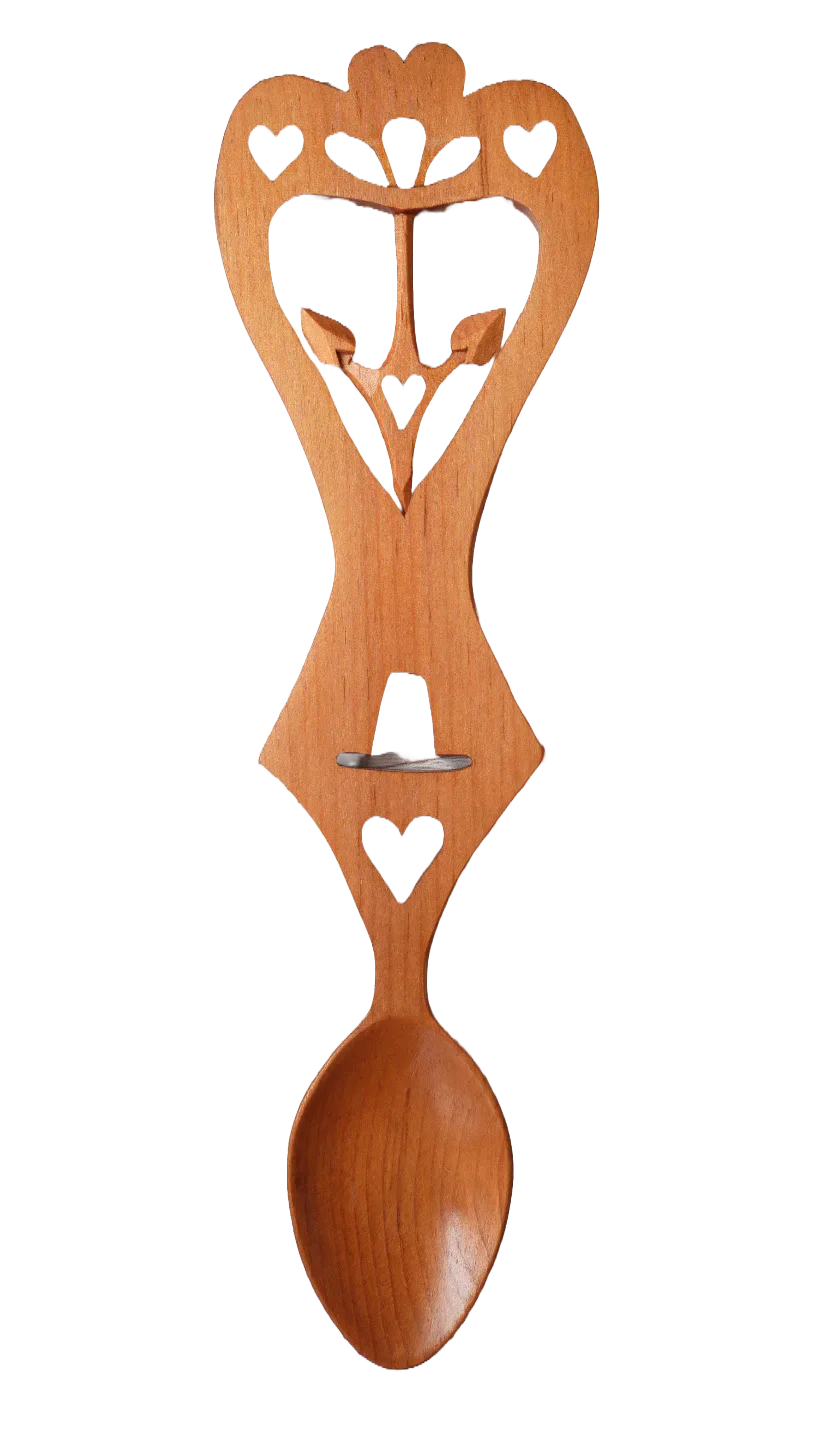
So who still celebrates St Dwynwen’s day? Many people, actually. If you look online at #SaintDwynwensDay, there are many posts. The celebration has increased in popularity recently, with more shops selling St Dwynwen’s day cards and memorabilia. As per tradition, love spoons are also exchanged between Welsh lovers and have been since the seventeeth century. People also continue to celebrate the religious aspect of the day and visit the remains of Lladdwyn church on pilgrimages to pay their respects to St Dwynwen. So why wait an extra three weeks to express your romantic feelings when you can say “dwi’n dy garu di” on the 25th of January?