
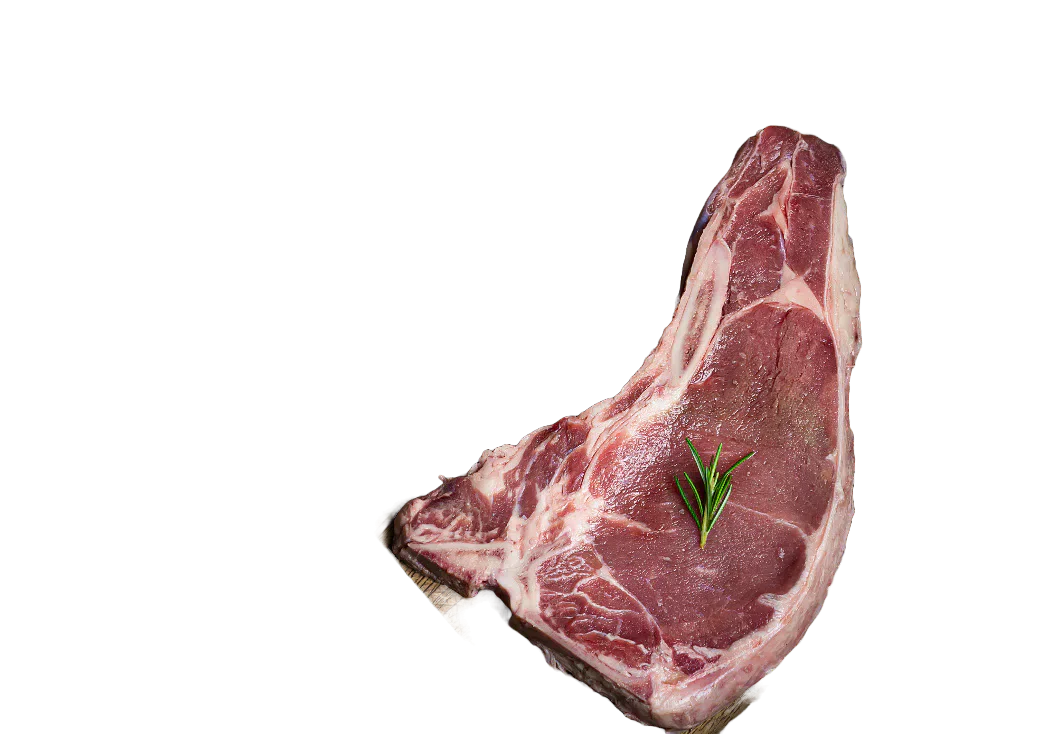
I’m sure you have all seen it over your social media pages in recent months. The carnivore diet has swept the internet, with many health influencers jumping onto the trend and telling their followers that it is the healthiest way to live. But does this specific diet actually have any benefits, or is it just another diet trend on the internet? The carnivore diet is a meal plan that consists of only consuming meat, eggs, seafood, some dairy products, and water, excluding all fruit, vegetables, and carbohydrates. It is a type of ketogenic diet, another diet trend that has swept the internet in recent years.
Ketogenic diets are carbohydrate-free meal plans, and as the body cannot derive its calories from glucose, it burns fat to create ketones as an energy source. Ketones get released into the bloodstream, lowering the acid–base balance of the blood. Many followers of the carnivore diet film themselves consuming steak, bacon, fried eggs, and thick cream for their breakfast, lunch and dinner, as well as consuming pints of electrolyte-filled water to keep their bodies hydrated due to all the salt content they are consuming.
According to many “health” influencers, the carnivore diet possesses has many health benefits. As it is a ketogenic diet, it aids weight loss by reducing overall calorie intake and forcing the body into ketosis. In a state of ketosis, the body’s insulin levels are reduced, and insulin sensitivity is improved, factors that aid weight loss. The high protein intake of this diet contributes to increased satiety levels, resulting in reduced food intake since the body remains full for longer.
It is also reported to be anti-inflammatory, aiding joint health and improving your recovery from any physical activity. The carnivore diet is also said to improve metabolic function and increase energy levels, as the body relies on protein and fat, which offer more long-term energy than carbohydrates. Some people also claim that removing plant-based foods from one’s diet may benefit those with autoimmune diseases, as it limits exposure to dietary triggers.
However, many of these claims are not backed by research, making it hard to trust that this diet is actually healthy and sustainable long-term. There is significant evidence suggesting that the carnivore diet is unhealthy and carries risks for the long-term health of human bodies. The primary concern is nutrient deficiency.
As many of us will be aware, our bodies require a huge range of vitamins and minerals, such as vitamin C, calcium, magnesium, and potassium, to support bone health, heart health, the immune system, and many more day-to-day functions. While animal-based foods are high in some nutrients, they lack many others. A study was carried out to determine the nutrient composition of the carnivore diet, finding that people who followed this diet would significantly lack vitamins C and E, calcium, and magnesium, causing a long-term impact on bone health, immune function, and heart health.
Heart health is also impacted by high levels of saturated fats and cholesterol in the diet, which increase the risk of heart disease. Saturated fats are considered unhealthy fats, as they increase the levels of low-density lipoprotein (LDL) cholesterol, increasing the risk of artery blockages. This puts people at a higher risk of heart attacks as they get older.
Furthermore, medical professionals are concerned about the impact of the carnivore diet on the health of the digestive system. Dietary fibre is crucial in maintaining a healthy gut microbiome and to promote the production of beneficial, short-chain fatty acids (SCFAs). SCFAs support your intestinal epithelial cells, which are the cells that line your gut.
These cells help your body to digest food and absorb nutrients, as well as protect against infections. A lack of fibre in the carnivore diet may also lead to gastrointestinal issues such as constipation, as well as more concerning issues like inflammatory diseases, diabetes, and, potentialy, cancer. With a huge amount of concern growing from health and medical professionals, it is clear that the carnivore diet is not as healthy as influencers are making it out to be.
Like many other social media trends, the carnivore diet will be outdated and retired before we know it, with a new sparkly diet trend taking its place.