
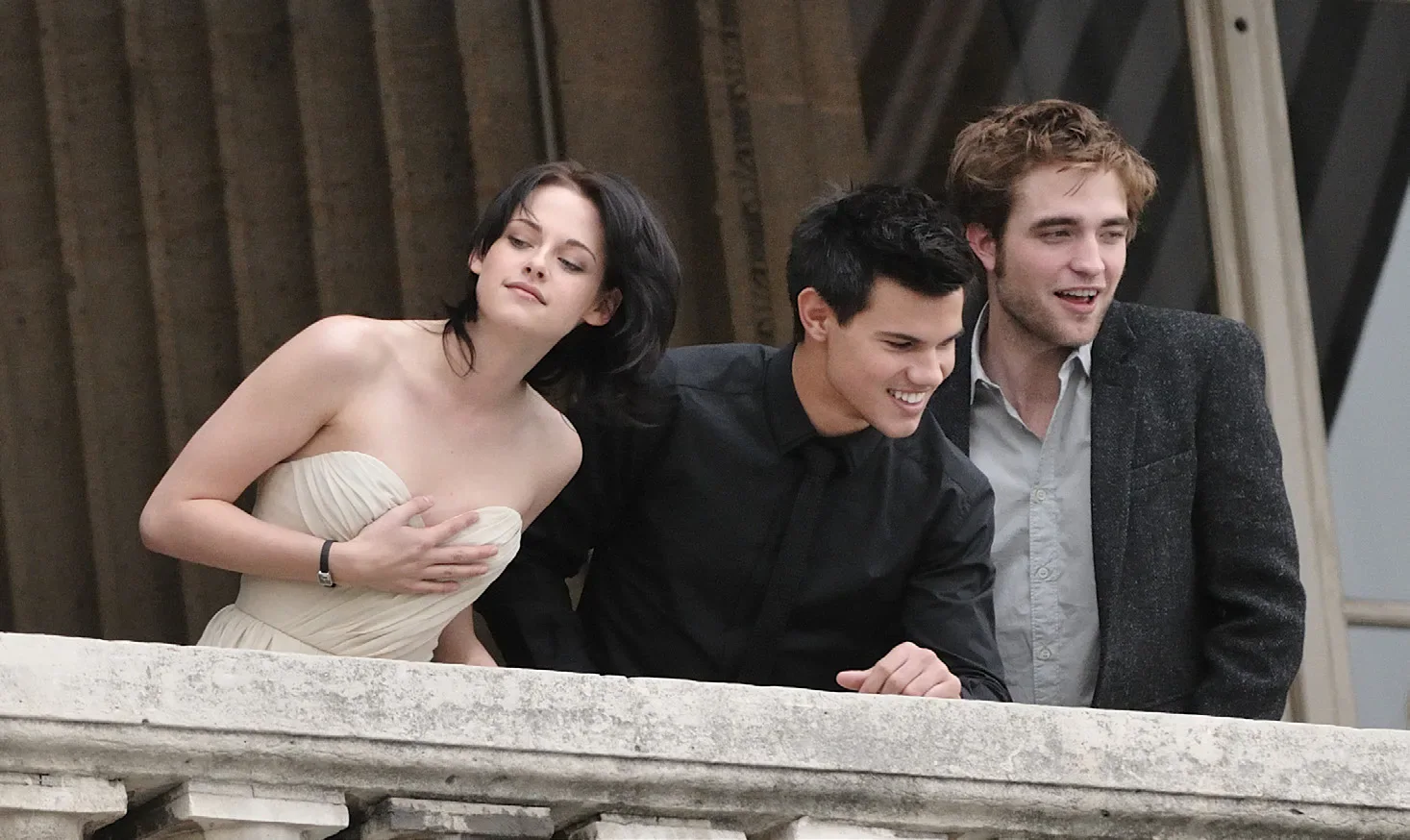
Since its publication in 2005, The Twilight Saga and its implications have shaped the course of YA media. From the problematic love triangle trope to its splitting of the final book into two separate films - a trend followed by its contemporaries The Hunger Games, and Divergent - this series dominated the world for a brief moment in time. I grew up firmly rooted in Generation Twilight, with the series being a staple of primary school sleepovers and birthday parties. Fast forward to September 2023, a Twilight renaissance begins after Netflix adds the Saga to its catalogue, with rumours of a potential spin-off TV series in the works. This prompted a re-watch, which I began with my friend Mimi, an avid Twilight supporter.
The first film has remained a cult favourite of the YA genre, with its jarring blue filter and comically awkward dialogue, and I can now safely agree that it has stood the test of time. In many ways, this film really has it all. Its stilted acting and janky camerawork are charming, with insanely quotable dialogue and an unmatched visual aesthetic. The audience is bombarded with a constant slew of now infamous scenes; Bella first seeing the Cullen family, with their overly-straightened hair and questionable contact lenses; the iconic baseball game soundtracked by Muse, featuring Alice Cullen’s (Ashley Greene) legendary, overdramatic serve. To top it all off, the film ends on such a perfect cliffhanger that it almost begs for a sequel (although dare I say, maybe not four). “Best film ever”, says Mimi. She goes to film school, so I’m inclined to agree with her. Unfortunately, the fun began to dwindle from there. Although 2009’s New Moon opens promisingly with Bella’s long-awaited 18th birthday party, the plot takes a nosedive as it begins to focus on the extended universe of Twilight; that is, the intense, perpetual class divide between werewolves and vampires. It feels like the series has bitten off more than it can chew at this point, attempting to tackle a serious and nuanced plot device within a vapid, teenage romance flick.
To top it all off, the film ends on such a perfect cliffhanger that it almost begs for a sequel.”
This trend continues as the series progresses. The films attempt to preach complex issues to a demographic that does not particularly care about the philosophical aspects of pregnancy complications and the value of human life over animals - myself included! As far as I can tell, one doesn’t watch The Twilight Saga to become enlightened about such matters.
Critic and audience ratings show that The Twilight Saga was significantly less well received once it began being directed by men. However, is the series’ downfall due to its lack of female direction after the first film? Potentially.
To get to the bottom of this, we must ask: why would Twilight benefit from a female director?
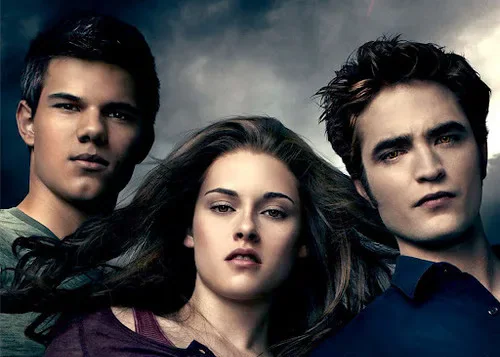
One could argue that it is beneficial for a series with a female protagonist to be female directed, as the director will be able to apply their first-hand knowledge of the female experience to the films whilst also approaching romantic themes with a “female gaze”, preventing Bella and Edward’s relationship from being overtly sexualised from a heterosexual male perspective. This argument, however, implies that the series aligned with any feminist values to begin with - which it absolutely does not.
Put bluntly, The Twilight Saga follows the tumultuous relationship between a 17-year-old girl and a 104-year-old man. The film sugarcoats this fact by giving said 104-year-old man the appearance of a teenager, played by 2000s heartthrob Robert Pattinson. This ingenious use of casting almost manages to trick its audience into forgetting about Edward and Bella’s (at best, morally dubious or, at worst, illegal) relationship. Due to it being a piece of media that becomes more problematic the more you think about it, Twilight was at its best when it was vapid and didn’t take itself seriously. In my opinion, overcomplicating matters by adding wildly outrageous characters and subplots was the series’ downfall, as once the films strayed from their roots as campy, cult chick-flicks, they allowed for more justified criticism. Self-aware dialogue and an emphasis on awkwardness were what made the original film so good!
I can only hope that when the latest TV series is announced, we see a lot more focus on the enjoyably ridiculous life of Bella Swan and Edward Cullen.
And Alice. We love Alice.