
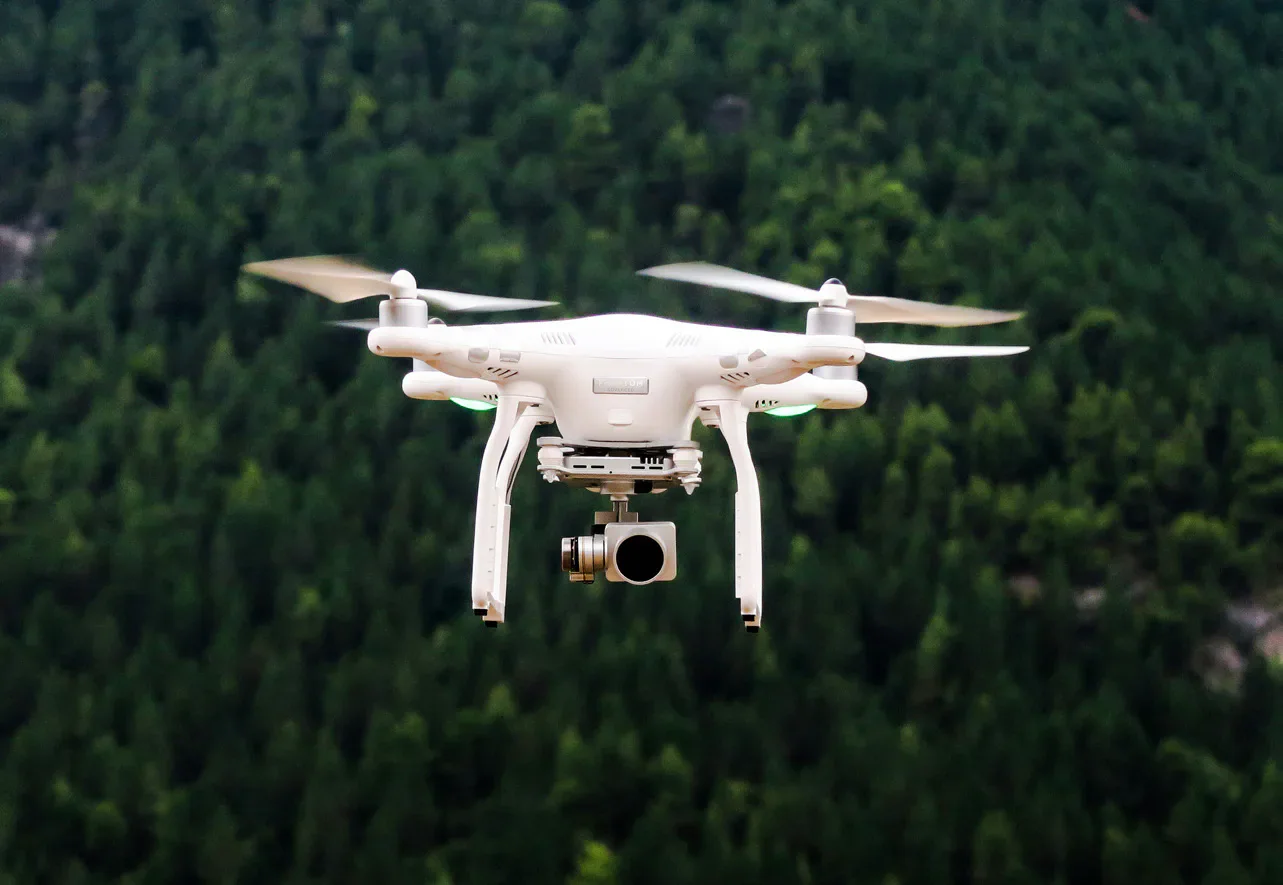
In an unprecedented development of the everbuilding Russian onslaught in Eastern Europe, the 9th of September saw over a dozen Russian drones enter Polish airspace. Whilst NATO allies were quick to scramble and neutralise the Russian incursion, the strategy and intent of Russian leader Putin is now more than ever called into question. Is Putin revealing the initial stages of a “master plan” of further Eastern European warfare, or does a historical lens help us to uncover international posturing by the Russian state?
Ukrainian leader, Volodymyr Zelenskyy, in the days following the attack, was keen to argue the Russian incursion to be the initial stages of Putin’s plans to advance into another European nation, claiming that it’s only a matter of time before he starts a war on another front. Whilst at face value, given Russian aggression and unrelenting onslaught thus far, this may be quite easy to believe, we can gain insight into an alternate perspective through evaluation of historical, Cold War parallels. “Brinkmanship”, so called by Eisenhower’s US Secretary of State, John Foster Dulles, might well be re-emerging as a central military and foreign policy tactic under Putin, and could even serve as a more comprehensive explanation of his real intent on an international scale. Initially coined during the late 1950’s in an era of post-nuclear US-Soviet confrontation, “brinkmanship”, was a word for tactics that involved making your opponent feel as though relations are at a breaking point, or brink, that would imminently overspill to a devastating war.
The incentive of course, to “scare off” the opponent by merely seeming ready to commit to all out conflict. Whilst it’s true that the global political landscape during the Cold War period and the modern day remain starkly different, similarities certainly come from the displaying of intent by the same nations today. Much like his Soviet predecessors, it’s no secret that Putin desires to be seen by the world as a strong and powerful leader, especially now during critical moments in his war with Ukraine.
It’s also evident that since his initial invasion in February 2022 he’s not relented in his advance. However, to what extent he intends to grow his European war is thrown into question, especially given the immense strain the war is putting on Russia’s economic situation. This seems to only grow the modern day comparison with brinkmanship.
Furthermore, taking into consideration the traditionally hawkish foreign policy techniques of US president Donald Trump, and most recent renaming of the department of defence to the “Department of War”, it’s probable that Putin may be trying to contest the advances in US defence policy in a Cold War esque confrontation, strengthening further the brinkmanship comparison that has been laid out. From this we can certainly piece together a battle of posturing and of egos, almost responding to a question of “who can appear to be the most threatening to one another?” without ever engaging in a physical attack, as opposed to the continuation and even expansion of the war that Zelenskyy argues. So now with the history of Cold War, foreign policy, military tactics, and historical relationships all laid out, a better idea of the word ‘intent’ can be established.
With this, we can certainly also unpick and evaluate the kind of message Zelenskyy is trying to get across. Does he truly believe that Putin wants to engage in a renewed conflict, despite the clear economic and military distress that the Russians have shown so far? And how well does he really understand Putin’s intent, is his judgement clouded by the primary necessity to attain more aid to fund the constant battle on the Eastern front?
Through evaluation of world events and assessment of traditional Cold War rivalries, a more nuanced approach might therefore be formed, rooted in Cold War era policy, exposing the necessity driven argument of Zelenskyy, that Putin wants a renewed war in another European nation, when in fact his true intent and the reasons behind it may run deeper. M.W. Contributor