
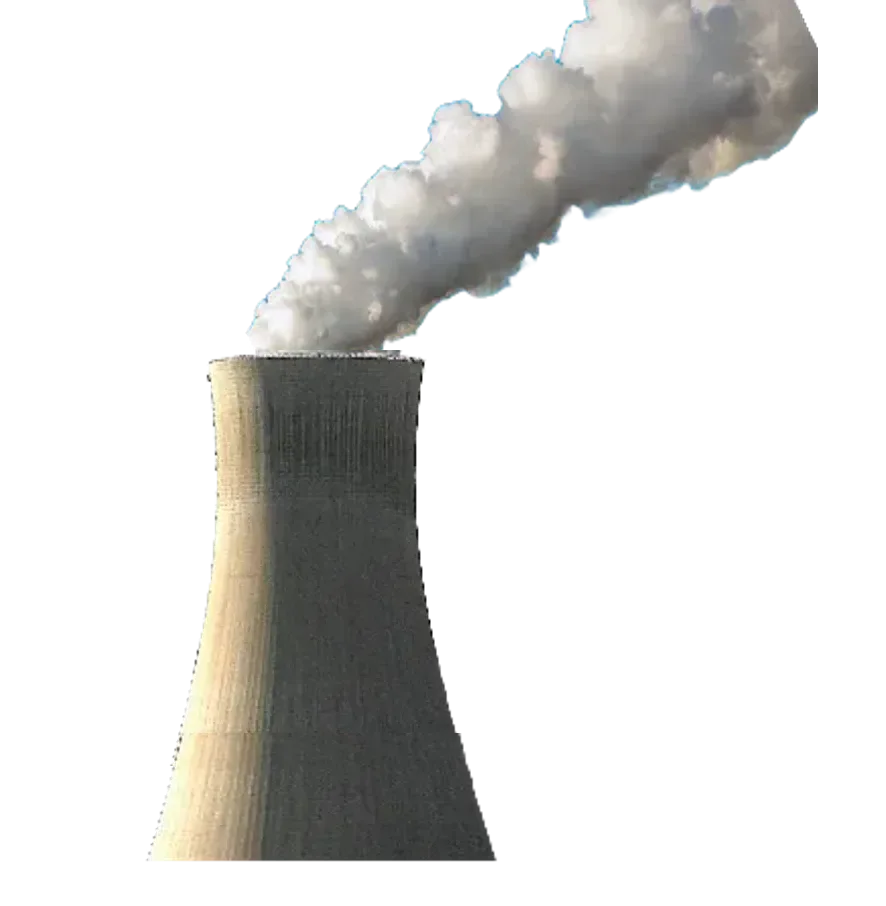
The UK’s nuclear power sector functions almost entirely through advanced gas-cooled reactors (AGRs), which, with their use of enriched uranium as a primary fuel source, produce plutonium as a by-product. Since the 60s, the government has slowly amassed the largest global stockpile of the substance at 140 tonnes, with the general idea having been to recycle this waste product and repurpose it as a fuel source if and when needed by the UK’s reactors. The problem is that no such situation has arisen.
The UK now spends around £70 million per annum on the storage and guarding of the dangerous substance, with storage container changes and armed police racking up a large bill.
In 2011, the government created a preliminary policy standpoint to keep storing plutonium, with thoughts to use it as a mixed-oxide fuel; however, they also invited this to be open to debate. Following this, the Nuclear Decommissioning Authority carried out a veracious analysis of the deliverability, technical practicality, and economic cost of such a path, concluding that it would be a poor financial decision, and instead recommending that the plutonium be taken out of commission.
On 24 January, the government announced its decision to do just that: the UK will now process its plutonium into a ceramic-like material which, while still radioactive, is far more stable. This makes it suitable for its subsequent permanent storage deep underground in Sellafield, where the UK has been processing and storing its nuclear waste since the 1940s.
Once contained correctly, nuclear specialists say it will be safe for millions of years, with the additional benefit of an influx of skilled labour into the local area. With the UK struggling with the costs of getting projects like Hinckley Point C and Sizewell Cup up and running, the majority of the nation’s reactors being set to go offline within the next decade, and no sign of a future for the use of this fuel in the UK, the decision is being regarded as a positive, rational, and necessary step forward to a realistic approach to nuclear energy in the UK.