
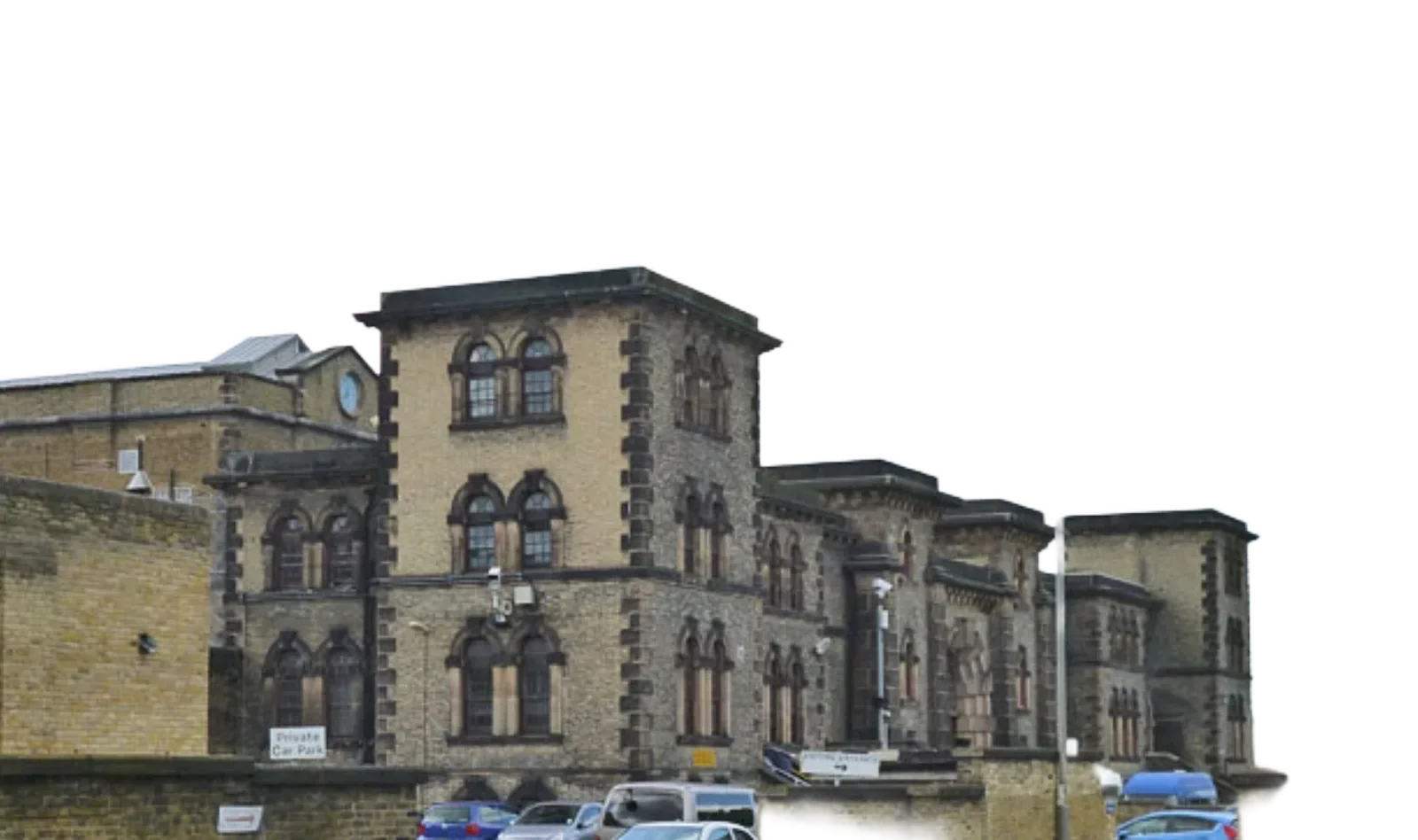
UK prisons are at their limit. Last year, the Labour government aimed to address overcrowding with an early-release scheme, allowing prisoners freedom after completing 40% of their sentence. This resulted in the wrong release of 37 people who previously breached restraining orders.
It is clear something is not working, and calls for change are becoming more prevalent. Earlier this month, Reform MP Rupert Lowe called for a referendum to reinstate the death penalty. Alternatively, the previous Conservative government seemed to think introducing mandatory national service would bring down offending rates in young people.
It is time to consider the solutions no one is offering and rethink our prison system altogether. With a prison population growing by 45,000 each year, cells are filling up faster than they can be built. In 2024, 60% of prisons were reported to be overcrowded, with inmates sharing rooms designed for one.
A significant amount of this growth comes from non-violent criminals serving short sentences for crimes such as theft and drug offences—sentences that have been shown to be less effective at reducing reoffending than community-based alternatives. We have also seen a drastic increase of those in prison on remand, still awaiting sentencing. This accounted for 49% of the prison population in 2022.
There is also a major staff retention issue in prisons due to violence and mental health problems, resulting in facilities that are both overcrowded and understaffed. These conditions have shown to make prison life much harder than it needs to be. Overcrowding is linked to high levels of violence, even in those not sentenced for violent crimes, resulting in limited freedom, particularly for women.
Inmates often cannot leave their cells for more than a few hours a day, with only 6% of women being able to engage in regular purposeful activity. Maintenance is also often delayed to avoid taking cells out of use, creating unsafe and unsanitary living standards. The consequences of these conditions are expressed in the mental health crisis we see in prisons, with suicide accounting for a third of all deaths in custody.
Around a fifth of incarcerated women develop a drug or alcohol problem while in prison, and an average of six self-harm incidents per prisoner are reported each year. This is a direct result of not only overcrowding and underfunding but a culture with little interest in prisoners’ well-being. This becomes even more apparent in the fifteen private prisons across the UK, as profit becomes a priority over prisoner safety and rehabilitation.
These institutions consistently report higher rates of violence and structural issues. Even in state prisons, collecting £51108 from British taxpayers per prisoner, the money is largely spent on building more prisons and keeping up appearances than supporting those in confinement. Beyond being actively harmful, our system fails to fulfil basic functions of rehabilitation and crime prevention.
Governments have consistently failed to address this, focusing instead on a strategy of building more prisons and pushing the problem of overcrowding further down the line. In 2021, the Conservative government promised to build an extra 20,000 prison spaces in England and Wales. Starmer’s government also pledged to continue this work to meet the target.
UK prisons are far from meeting their after-release targets, as they are not equipped with facilities to support prisoners for life after prison. Of the 112 prisons in the UK, 49 failed to meet their targets for first-night accommodation, and 89 did not have the majority of their prisoners in employment after six weeks. With reoffending rates at 26.5%, and going up to 56% for short sentences, the support being offered clearly is not enough.
For these reoffenders, prison is a familiar environment rather than a deterrent for crime, providing a level of security not guaranteed on release. From a safe, middle-class background the prospect of prison can be enough to avoid committing crime but, as we face the worst cost of living crisis in decades, a meal and a bed every night is hardly a worst-case scenario for many. This can be seen in prison demographics, with the poorest in society vastly overrepresented—the gap widening for women and people of colour.
As we have seen, the state of our prisons is shameful, but it is better than being homeless. Focusing on punishment, fear, and humiliation, our prisons are far from effective in preventing crime and keeping people safe, instead facilitating a cycle of reoffending. It is time to start looking at the structural issues in our justice system and look for solutions beyond building more prisons.