
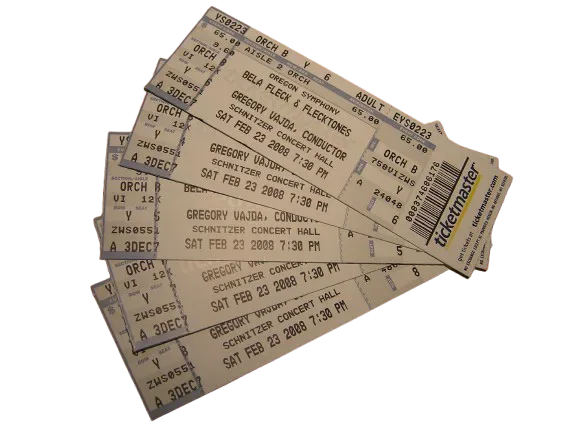
After the recent battles to get Varsity and Harry Styles tickets, it has raised the question as to why it is now so hard to get tickets for anything, especially concerts. These most recent occasions have left me, and many others perplexed, peeved and drained from the process of trying to get tickets for any major event nowadays. Getting tickets for anything is not as simple as logging into a website and adding to basket.
Harry Styles recently announced his new tour, and despite only having released one song, fans were buzzing to get tickets. With him only performing in London, the whole of the UK was battling it out to get tickets. Fans could sign up for a presale code, however this did not guarantee tickets, meaning millions were joining queues from Monday through to Friday. The adding of more tour dates only added more stress, leaving fans more confused and scrambled for tickets. From Oasis to Taylor Swift and the majority of concerts in between, Ticketmaster has been under a constant fire for the system of trying to get tickets being a struggle of money, time and stress, rather than fans being able to enjoy and appreciate music they feel so passionately about.

A GQ article linked the increased challenge to get concert tickets with increased post-pandemic inflation. The hiked-up prices of concert tickets are down to several reasons, one being Ticketmaster’s dynamic pricing scheme, which appears inefficient when thousands are batting to get tickets at the same time. Another more sinical explanation is greed, with artists purely wanting to make as much profit as possible, no matter the cost to fans (quite literally).
Since the pandemic and in line with inflation, the cost of an artist to go on tour is tremendous, with a BBC article listing the added costs for national or international tours.
Transport, freight costs (such as moving sets and all the people behind the scenes), catering, stage equipment and accommodation are all factors that the article lists as reasons for the increased costs of concert tickets.
Then there’s the waiting to get the tickets, which is arguably the worst bit. The narrative of queue wars has unfortunately become a repetitive one, but why is this? According to a BBC article, its due to supply and demand, with there being more demand for tickets than there is capacity. The article goes on to explain the logistics of ticket sales, stating that once restricted view seats, the stage, and sponsored seats are taken away, it leaves a much smaller number of tickets for general sale than the capacity of a venue can normally hold. The BBC article explains the use of touts, with people using increased technology, such as bots, to bypass queues and have more devices online to bulk buy tickets. The increased use of AI and fake identity accounts make it increasingly difficult to spot the bulk buyers till it’s too late.
It now requires hours of your day to wait for something you might not get.
Once these touts have secured a bulk number of tickets, according to the BBC investigation. It appears that not only the ticket sales industry has boomed, but ticket reselling is becoming an industry of its own, with more people having access to AI and increased technology to make hundreds of pounds profit. The UK government hopes that banning the resale of tickets for an increased profit will reduce the demand for concerts, and this is already coming in to play with Ticketmaster stating practically zero profit can be made from reselling tickets through them. But unfortunately, this does not account for social media and unauthorised resale sites, where fans who are desperate to see artists will pay above the odds, and sometimes be scammed for it.

From what’s been established in my research, it appears the answer to increased ticket prices and battles for tickets is not a straightforward one. There appears to be many, many reasons why it is now so hard to get tickets for our favourite artists. Despite several artists, such as Coldplay and Taylor Swift, coming out and stating that they will not increase concert tickets alongside demand, the effort to get the tickets is still a challenge that has no clear solu-