
Celebrated globally on Wednesday, March 8th, International Women’s Day is a chance to recognize the achievements of women across all aspects of society. Over the past twelve months, women have made their mark, this is notable within sport.
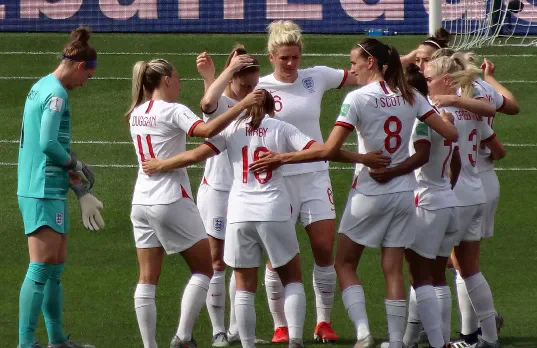
From the history-making boxing match between Savannah Marshall and Claressa Shields to the Roses’ defeat in the Rugby World Cup final, women’s sports viewing is on the rise as many watch for the first time. The women’s Euros captured the attention of Europe and beyond in 2022, with a record audience of 365 million. 50 million alone watched as the Lionesses’ won over Germany in the final, over three times the amount that watched the 2017 final. The stand-out moment is responsible for inspiring more girls than ever to try their hand at the sport, with over 1000,000 more girls playing football in England compared to five years ago.
While the theme of 2023’s International Women’s Day is #EmbraceEquity, is equity really being embraced in the sporting world? This Winter, multiple women’s matches in the WSL were postponed or cancelled due to frozen pitches, while their male counterparts at the same club continued with almost no interruptions. England and Arsenal player Beth Mead tweeted: “one of the top leagues in Europe and we are cancelling games because of frozen pitches. Not good enough, the women’s game is heading in the right direction but still a long way to go”.
Female athletes have also been vocal about the added obstacles that impact their performance and what needs to be done for them to receive equity within the sport. In the Summer, sprinter Dina Asher-Smith confessed that her period cramps were responsible for dashing her success in the 100m sprint at the European Championship. She urged the government and sports bodies to invest more time and money into researching the relationship between periods and sports performance.
Despite examples of unfairness, the last year has seen proactive changes. The Football Association of Wales announced in January that their male and female players will be paid an equal amount for the very first time. Irish women’s rugby has also made changes to their kit, swapping white shorts for navy to make players on their periods feel more comfortable when playing.
A petition has now been started to make underground heating mandatory in the WSL, but time will only tell if this and many other issues will have been addressed by 2024.