
There is a common comparison drawn between democracy and a popularity contest. The candidate with the capacity to draw the greatest crowds will in turn draw the greatest numbers to the polling booth. We can see this trend in the rise of populism, politicians transitioning from dull characters to celebrities in their own rights.
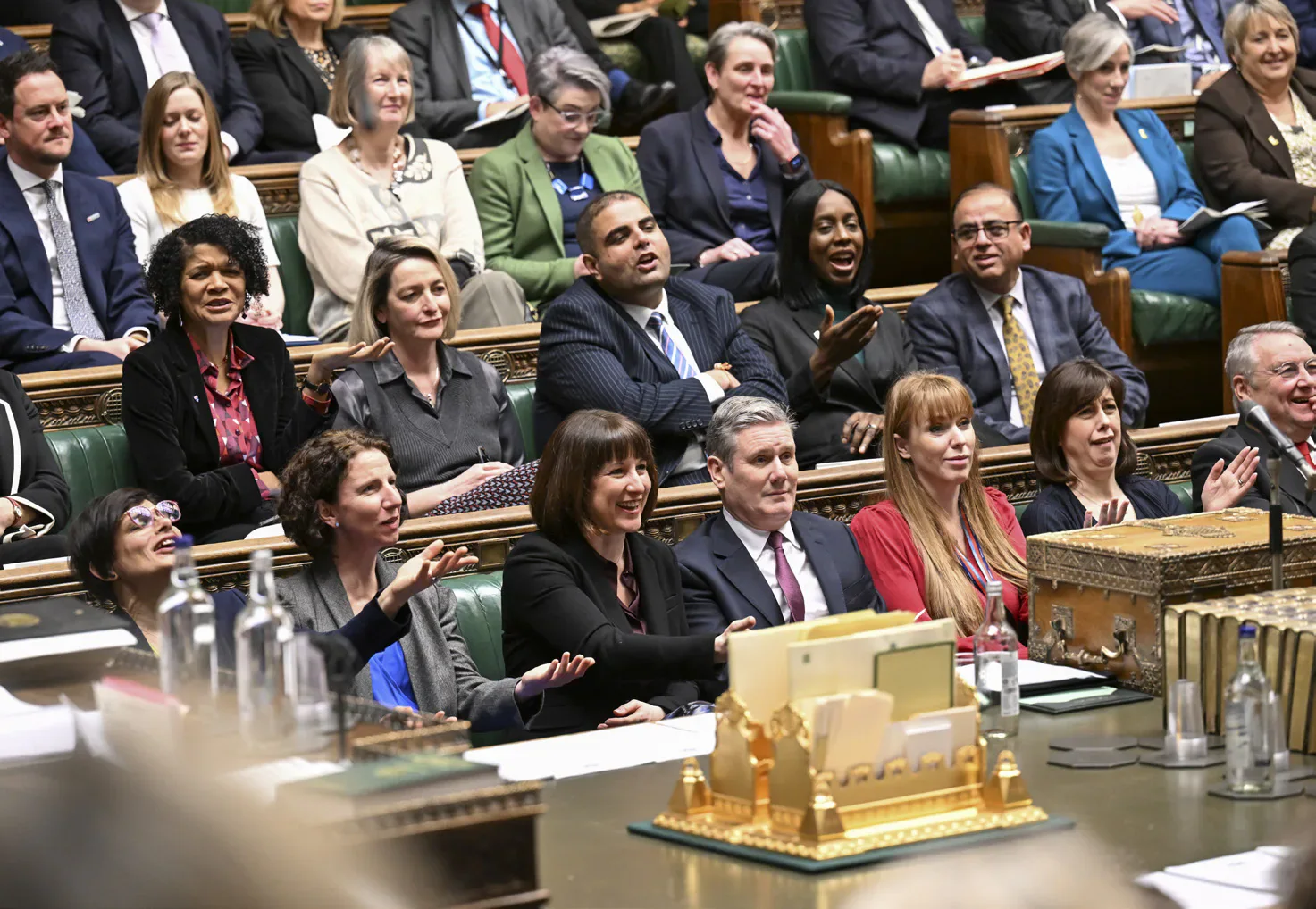
Trump and Mamdani in America; Farage and, increasingly, Polanski in the UK. With the Greens and Reform biting at the heels of the party in power, and outcompeting Labour’s traditional rival in the Conservatives, what lessons should the Labour party be learning from this new era of social-media politics? Frankly, there isn’t a drop of personality in Keir Starmer.
It is unclear if it was rinsed from him before or during his general election campaign, but the warning signs were there; Starmer’s flat delivery and overuse of certain phrases (“My father was a toolmaker”) were immediately points of parody, but they highlight his real flaws, they’re just not interesting. Successful campaigners have their moments, key traits or events that can be referenced and drawn upon. Boris Johnson had his bumbling demeanour, odd haircut, and classic gaffs like his being stranded on a zipline holding a pair of Union Jacks; Blair had a slick and carefully managed communications machine, good looks, experience as a lawyer and parliamentarian to fall back upon and his attempts to be a rockstar parodied.
Starmer has some of these traits, its true, his communication is odd and stilted, occasionally veering towards the peculiarities of the Johnsonian style but never actually crossing the barrier between dull and strange into interesting and strange. Starmer has a background as a lawyer to draw upon, an internationally respected human rights lawyer at that, but he never seems to display those skills outside of the occasional attack or insult at PMQs. Successful campaigners are also able to bank on their track-record where they have one.
Mark Carney, PM in Canada, was able to use his experience as director at the Bank of England as evidence of his competence and executive ability. Starmer had this in his first campaign, his experience as a prosecutor and administrator was apparent. Labour’s failures since his incumbency have washed those good marks off his record.
Starmer is unwatchable, lacking the
oddity to generate intrigue or the charisma to generate confidence. This isn’t entirely his fault; his social media posts are dull, flat and often incoherent, lacking direction and reading as simple addresses to camera, rather than attention-grabbing attempts at engaging with the voting public. They lack both production value and kinetic flow, in the attention economy of social media they fail completely.
This is a failure of direction and a result of a poor social media team. Recently successful campaigning leaders from the centre and left have been able to rely on strong communication and delivery to distribute their policy message, Starmers social media posts border on the unwatchable, and he feels so controlled and managed as to leave a viewer incredulous at the idea that he so much as believes a word he is saying. Juxtapose this with a campaigner like Zohran Mamdani, whose snappily delivered and well edited promos delivered both punch and policy.
In the era of attention politics, politicians must be able to draw eyes and interest. The issue isn’t solely at the very top; most of labour’s cabinet lack in both charisma and social media competence, but its not cabinets that win or lose elections. Starmer’s image is bad, he is widely disliked and generally mismanaged.
To appeal to the increasingly online voters of the UK, Labour must make changes to their communication, they need to produce better posts and keep ahead of the competition, they need younger talent in those communications roles. Labour also needs a new leader, one untainted by the wretched performance of this current government to have a fighting chance at the next election. What Labour needs is a leader with a personality, able to appeal to the public.
Labour needs a leader with charm; it currently lacks one with a personality. Labour needs a popular leader, with a strong track-record in delivery and without the reputational damage of this government. Labour needed someone like Andy Burnham, the Greater Manchester mayor their executive committee just blocked from running.
The reality is that these changes won’t win Labour the election, but they will put them at less of a disadvantage than the one they currently face. Labour will need all the help it can get to fight off the tide of populism, a fact the government does not seem to realise.