
Welsh Rugby Union (WRU) bosses face growing calls to resign after the Union confirms losses of £18 million this financial year—more than double last year’s £7.2 million.
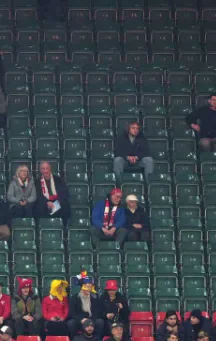
The recent tale of Welsh rugby has been one of empty seats, mismanagement, and players drifting over to England. With the Autumn Internationals right around the corner, the WRU have confirmed that they have suffered a loss of £18m this financial year — an increase of 150% compared with last year’s losses of £7.2m. The Union has also confirmed that they expect next year’s losses to be around the same figure.
Supporters have already called for the board to resign, citing poor on-field performances, mismanagement, and plans to cut one of Wales’ four regional sides. The Union says the losses strengthen the case for reducing the number of regions, arguing that the current model is unsustainable. However, Swansea Council leader, Rob Stuart, challenged that view in an interview with Radio Wales Breakfast, with Swansea’s Ospreys currently one of the sides facing the cut:
“I’m really clear on what needs to be done, the chief executive [Abi Tierney] and the board need to go. They’ve completely mismanaged the game in Wales.”
“What we need though is certainty. We’ve got enough quality players in Wales to sustain four sides. We’ve got enough income going into the WRU to sustain four sides. They just need to manage it better.”
The scale of the WRU’s financial strain is clear from its £83m in operating costs, including £20m spent on performance rugby and £4m allocated to the community game. A further £28m went to Wales’ four professional clubs. Cardiff Rugby, owned by the governing body, recorded a £1.2m loss that year, adding to the pressure on Welsh rugby’s finances.
Ironically, these figures come just five months after chief financial and operating officer, Gavin Marshall, described the union’s finances as being in a “pretty good position”. Marshall proceeded to explain, following the announcement of next year’s predicted figures, how “[it] can’t go on like this”. However for fans, these words will mean very little, with actions speaking louder than words.
This year’s losses, along with similar losses predicted for next year, have led many to question whether those in charge are qualified and whether the Union’s decisions and governance are sound.
One factor behind Wales’ recent on-field decline has been the weakness of its player-development pipeline. Many of the country’s top players have retired, and there has been no one ready to fill the gaps in the squad. Welsh rugby now faces serious risks: financial strain, challenges in schools, grassroots clubs folding and schools selling pitches. With fewer students playing and the sport’s popularity declining in Wales, the WRU has a great deal of work to do.
Heading into the Autumn Internationals, Wales face difficult opposition to kick off the series against Japan, with Wales coach Steve Tandy already in the headlines over big calls he’s expected to make in regards to his squad selection with the World Cup right around the corner.
There is no doubt that these losses and disappointing announcements will weigh on Welsh fans during the next campaign. Tandy is expected to face questions about the issue and his views on the WRU leadership. The Union will hope that negative press and pressure from fans can be eclipsed by a strong run of results.