
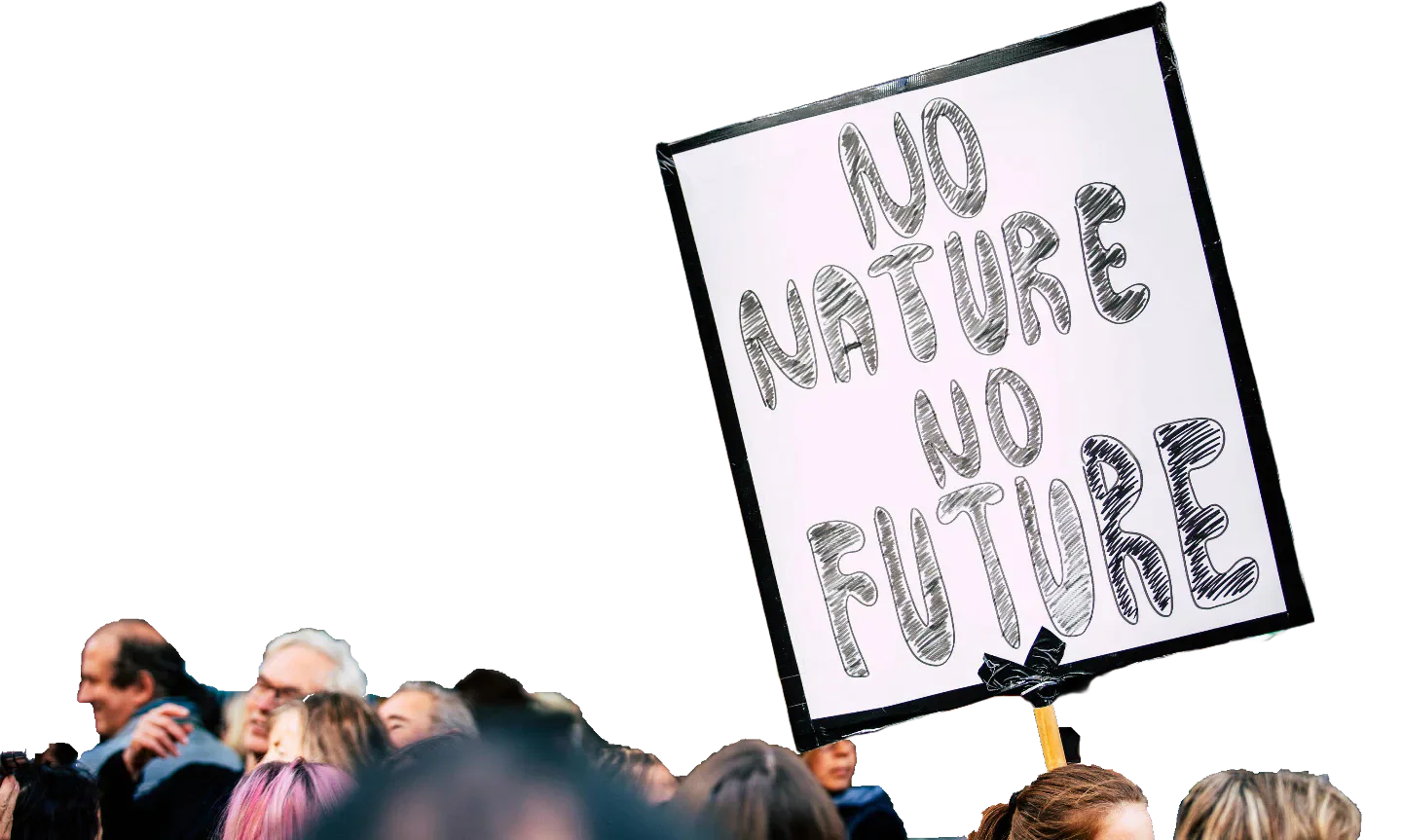
A recent bill and legal initiative aiming to combat climate change and global warming on a UK level, has been halted at just the first hurdle.
This latest attempt, dubbed the Climate and Nature Bill and proposed by Liberal Democrat MP Roz Savage, received only seven votes in favour of debating its implementation, being defeated by 120 votes. This means the bill is not going anywhere for a while, and when it does return to the Commons in July, it is unlikely to get passed.
Savage became the MP for the South Cotswolds in the 2024 general election but had been dedicating her life to raising awareness about marine pollution and the crippling effects of global warming. She has hence moved away from education and information, to influencing political and environmental policy.
This bill would have required the environmental secretary to create and implement a crucial strategy with regular annual targets of reducing carbon dioxide emissions and placed emphasis on reversing the degradation of nature. Strikingly, it would achieve this through working with a citizen’s assembly, ensuring the UK’s population are effectively represented and listened to. This is unlike anything that has been suggested before and would offer a unique insight into a plethora of the population’s opinions and suggestions.
The bill received cross-party support, with some Labour and backbench Conservative MPs signalling support for the proposed reforms, and criticising cabinet members for going back on green commitments and promises. A Downing Street spokesperson counteracted this, stating that the UK “already has a well-developed legislative framework with legally binding targets”, pointing to international commitments such as the Paris Climate agreement, and the UK Climate Change Act of 2008. Despite these alleged commitments, however, the debate and plans for a third Heathrow Airport expansion have been renewed, with Chancellor Rachel Reeves signalling her strong, unequivocal support.
Approval for this runway was won back in 2018, yet received delay due to pressure-group action and the effects of the COVID-19 pandemic, but is now circulating back in the public eye. Reeves has approved this third runway despite numerous criticisms and objections against it, pointing to climate commitments and responsibilities that this runway directly threatens. The Friends of the Earth pressure group have been vocal about the detrimental impact of a third runway and have been vocally opposing its status since its proposal in 2018. They argue that the expansion would “blow the UK’s chances of meeting our targets for cutting emissions” and that it undermines the legally-binding Paris Climate Agreement. Conversely, Heathrow CEO Thomas Woldbye has welcomed the progress and the momentum of the third runway, stating “we welcome the chancellor’s support for the aviation industry”, applauding her for a decision that is designed to grow the economy and stimulate the UK supply chain.
The debate about whether to prioritise short-term economic gains or the long-term well-being of the environment remains undecided. Nevertheless, he runway is contentious, with much of Labour opposing it (including Keir Starmer in 2018 at the outset of its debate. It has also not garnered much external popular support, due to the catastrophic environmental effects felt on a global and local level.
The UK has a legal and global commitment, not to mention responsibility to stick to its net zero targets, working towards ensuring global temperatures do not rise more than required. Heathrow’s third runway is undoubtedly a direct threat to this, and it’s unclear what the government is currently doing to combat the devastating global consequences of climate change.
This bill could have been a decisive step towards mitigating and reversing environmental degradation. Yet due to inadequate support and involvement of unelected citizens, it has fallen.