
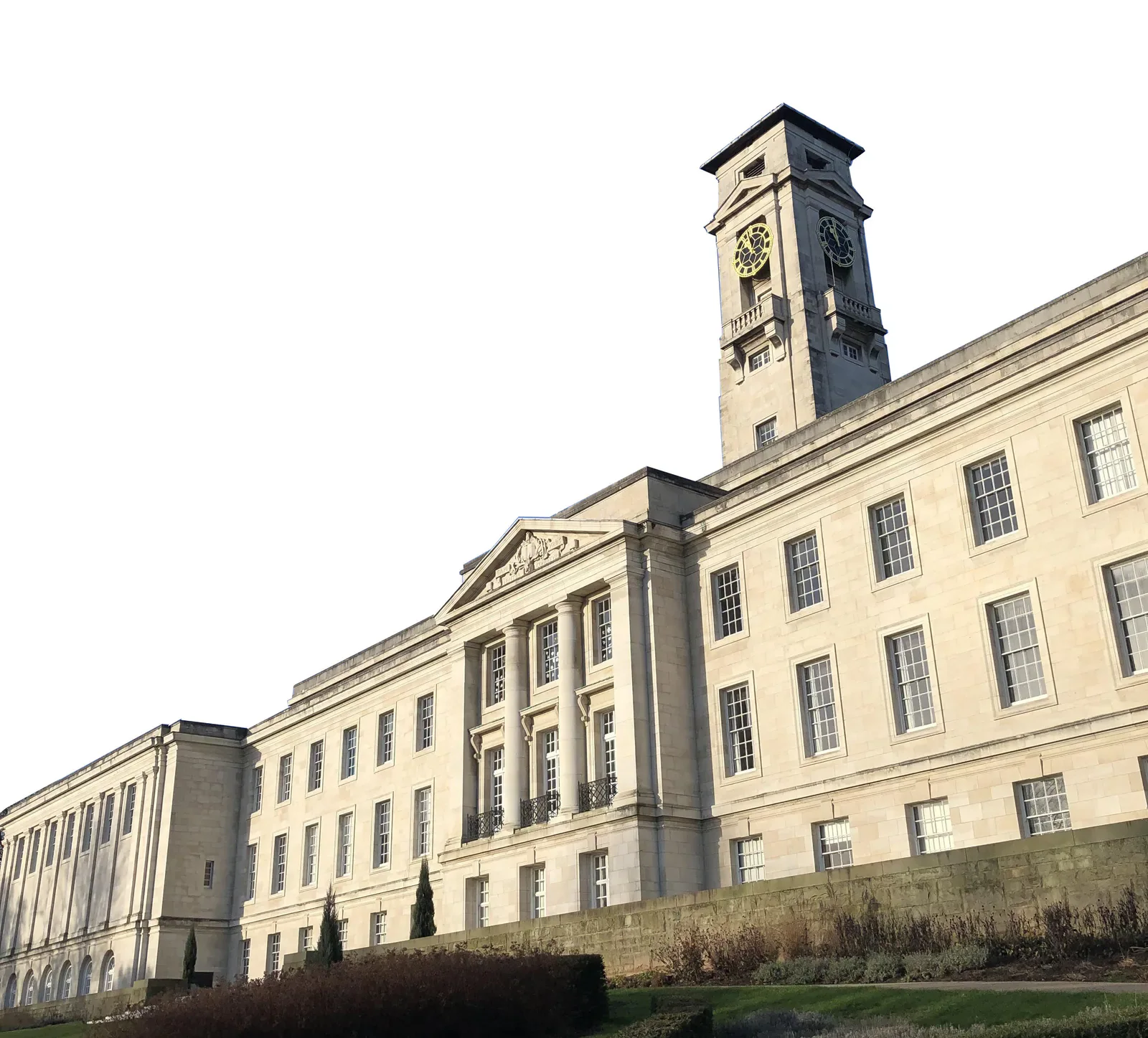
The University of Nottingham has recently proposed a closure of 48 of its courses, resulting in the end of the Music and Modern Languages department, as well as a drastic reduction in the number of Nursing courses. Students, staff and former alumni - including composer Sam Watts - have opposed the Universities proposal, petitioning to save the courses following the announcement of the suspension.
According to the BBC, the University released a statement saying how it needs to “make tough decisions based on changes in student demand, the cost of delivering courses, and competition from other institutions offering similar courses.” Staff related to the courses in question have stated their intention to lobby the university’s governing body alongside student efforts to launch petitions to protect their education.
Lonán Ó Briain, head of the Department of Music, said staff were “shocked” when the announcement was made, with staff being “very worried about their (students) wellbeing,” as well as being worried about their community partnerships across the East Midlands region as they are “embedded in the local community” working with a wide range of partners.
Further issues arose when students stated that they had found out about the proposed cuts via the BBC article, not through the University, as there was a delay in an emailed update.
Universities across the UK have reported financial struggles, with Nottingham reporting to have been “seriously affected in a fall in revenues and rising costs.” A large number of factors have contributed to this, including a growing failure to recruit non-UK students. This has resulted in a decreasing income from international students, due to factors such as government policies regarding immigration figures cut and strained relations post Brexit. Another is due to a lack of funding across the country and a rise in inflation in recent years. Nottingham reported that the courses chosen for the proposed cuts were assessed on criteria including “market share, projected demands from employers and estimated revenue.”
It has become increasingly obvious in recent years that Universities are starting to look less as a place of nurtured learning and more like profit-driven businesses. With employability as the main selling point behind degrees, there is a loss of education simply for the sake of it. Every course now needs to prove economic worth to survive, causing the extinction of education for the sake of passion and creativity. The proposals regarding the safety of the courses will be sent to the university council on 25th November.
Other courses being suspended include theology and religious studies, social work, architecture design and build, animal nutrition, plant biology, mathematical physics, agriculture, and two of the university’s nursing courses.
Back in January of this year our own University had announced proposed budget cuts, including 400 full-time jobs and multiple courses. Later in May they backtracked on this slightly, deciding to continue offering Music and Modern Language, a month after a U-turn was made regarding the controversial proposal to axe nursing courses. However, Vice Chancellor Wendy Larner said to achieve this music would have revised entry targets and modern language programmes would have smaller cohorts to be able to continue. Plans to close Ancient History and Religion and Theology are to go ahead subject to final approval. Jobs cuts have been updated to 138 from 400 after changes to savings plans and voluntary departures of dozens of staff. Final plans will be signed off on 17 June.
There is an apparent danger that universities are becoming institutions of profit rather than places of educational nurture. This shift risks undermining the core academic values that prioritise intellectual growth and the wellbeing of students. Students are now treated as numbers that generate profit, rather than individuals whose achievements and development are genuinely valued.