
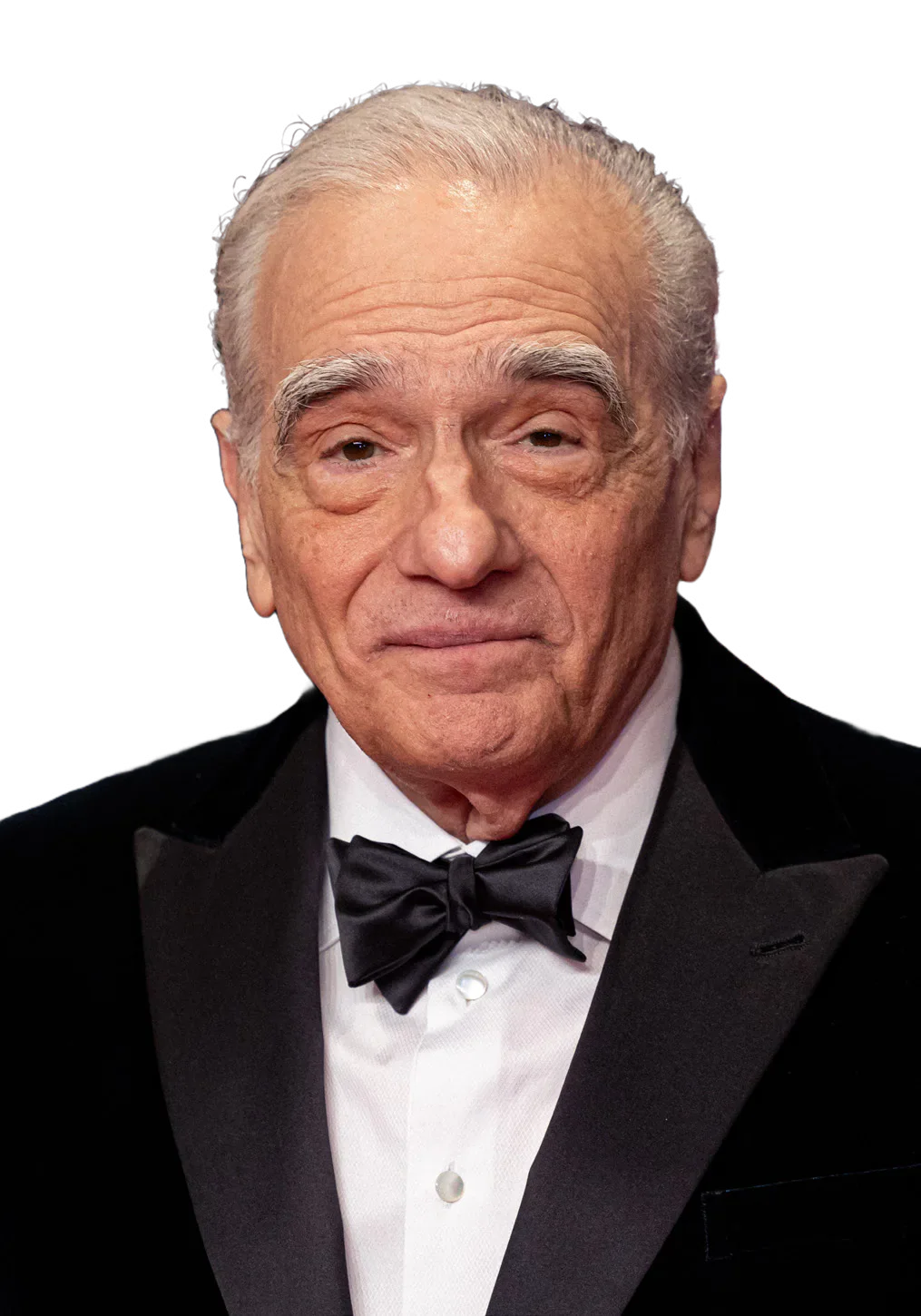
This is not a standard period piece costume romance. It is, as the man himself described, Martin Scorsese’s “most violent film”. An absolutely devastating adaptation of Edith Wharton’s classic novel about the collision between unrelenting custom in the high society of Victorian-era New York and the clandestine temptation felt by a doomed, yet inevitable, romance.
Two souls are attracted by a longing for an escape from the elaborate, suffocating ceremony of their extravagant and oppressive background.
What tears this blossoming bond apart is not only the antiquated rituals and theatre of the habitat that they so resent, but their perceptions and inadvertent enforcement of them. Sycophancy and indecision in moments of ultimatum and opportunity consign them to a fate where the wounding sacrifices they made to uphold tradition and avoid scandal in the past age become irrelevant and purposeless after society’s progression into the next.
Eventually, happiness and companionship are denied not because of any external expectations or intervention but, rather, a stubborn, sentimental adherence to old fashions and tastes.
The characters resort to rigid patterns and superstitious stipulations as a method of sustaining the allure and aching heartbeat of their union, which, once the dust has settled and they are forced to reflect and regret, can seem nothing but futile.
The aforementioned complexity and nuance of the themes and ideas explored by this film are what grant it such an enduring, timeless resonance.
As a fairly reserved, unemotional Englishman, I wouldn’t refer to myself as an ardent enthusiast for period romances (at all).
This film, however, moves and unsettles me, in all the right ways, every time I watch it. Featured is some of the strongest directing of Martin Scorsese’s entire career and a wistful, heartbreaking story, which is both beautifully methodical and brilliantly written.
Pair these outstanding strengths with raw, vehement performances, and the result is a message and artistic identity that are universally accessible.
The film’s effortless portraiture of remorseless custom and dogma in nineteenth-century New York high society, in the production, directing, tour-de-force performances, wardrobe, and set design is utterly breathtaking.
Intimacy and emotion are communicated to mesmerising effect and with a restraint and humanity that require generational mastery of the art form by director Martin Scorsese.
Without hyperbole, Michael Ballhaus’s cinematography is some of the most gorgeous I have ever witnessed.
With regard to the performances, Daniel Day-Lewis, Winona Ryder, and Michelle Pfeiffer, in particular, deliver three of the most resonant, underrated performances of the decade as Newland Archer, May Welland, and Countess Ellen Olenska, respectively.
The flagrant omission of Michelle Pfeiffer among the 1994 Academy Award nominations in either of the two categories for Best Actress might be, in my view, the single most memorable and deplorable acting snub in the history of the Academy Awards.
Without question, it is one of the greatest and most underappreciated films in Scorsese’s resume.
Scorsese produces something here that is engrossing and genuinely poignant. It’s quite difficult to comprehend how he achieved this.
As a trigger warning, the profundity of the ending lingers as a numbing sadness for some time after the film’s conclusion.
The first couple of times I watched it, there was a still, contemplative silence for several minutes after the credits rolled.
The reality of disappointment and the burden of expectation are conveyed with complete authenticity.
One of the best films I have ever seen, and ever will see.