
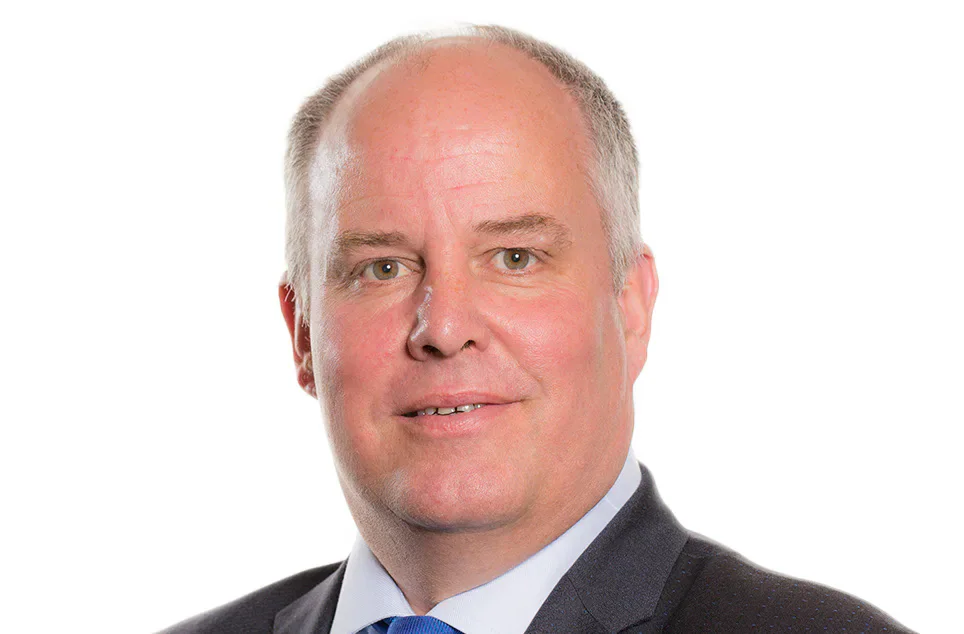
How do you feel your formative years influenced your politics?
I go back further than that to the 70s and the economic situation and the decline of Britain on the world stage. This was a time of mass picketing and mass meetings in car parks where workers were bullied into going on strike and then shutting down factories. The country really was a basket case in 1979 when Thatcher and the Conservatives came in and there was a lot of difficulties in rectifying the economic situation the country faced but I believe it was rectified and a new economy came out of that and ultimately the prosperity we’ve enjoyed over the last 30 years were down to the reforms in the 1980s.
What do you ultimately feel the positives and negatives have been of the devolved model of government in Wales?
It is my belief people should know what is being done in their name and many could not understand the power that sat here in the Assembly. Yet now we have tax raising powers, executive powers and legislative powers and I believe passionately that those who are calling for the abolition of the Welsh Parliament are living in cloud cuckoo land because it is wrong to say Wales is the only part of the UK that should return to the 1950s style government in contrast to Scotland and Northern Ireland who have their own assemblies. In contrast to the desires of Plaid and Labour, I believe we ought to be executing the powers we’ve got to the best effect to make a difference on people’s lives.
Given the personal abuse you suffered from campaigning for leave, did you ever feel any regret over your support for Brexit?
None whatsoever; the only regret I have is that we have not taken more advantage of the freedoms we have gained in voting to leave as there are huge opportunities out there since coming out of the European Union. We wouldn’t have been able to unfold the vaccine rollout programme as quick as we did if we were still in the EU which opened up society becoming back to normal and we have the chance to negotiate trade deals all over the world; yet we must still remain friends with our friends and colleagues in Europe. Ultimately, the result must be respected as a clear mandate to future governments, whatever colour tie they may be, that we see our future as an independent trading nation. We should be looking forward to pursuing trading operations worldwide, such as with India or building on the agreement we have with the Trans-Pacific-Partnership.
Unlike when you were previously leader, the FM had changed and your opposite number was now Mark Drakeford. What were your initial impressions of him in comparison to his predecessor Carwyn Jones?
Sadly, the ending of Crawyn Jones’ tenure was marred by the tragic death of Carl Sargent, with those 18 months leading up to Jones’ resignation being a particularly tough time during this institutions history. Mark is far more focused and academic in his responses in First Minister’s Questions. Carwyn was more bombastic and barrister and it showed with the exchanges themselves being very different. I like to think I get on with both men as I do not take personal animosity out of the chamber and that whilst I believe in debating robustly inside the chamber, when outside we all want the same thing which is a strong Wales delivering for the people of Wales.
As a supporter of Liz Truss, how do you feel history will judge her tenure?
Her policies and objectives were good Conservative policies yet the execution was what let her down and cost her the premiership. I had conversations with many of the candidates, including the final two, when they came to Cardiff and we all came to our opinions and cast our votes accordingly. We’ve moved on now and we’ve got a new Prime Minister in Rishi Sunak who is making the tough calls, making the big decisions and has an understanding of the economics of the country which is ultimately what will decide the next election. I think in Rishi Sunak, compared to Kier Starmer, we have a candidate who does get it and is unperturbed to make the tough calls.