
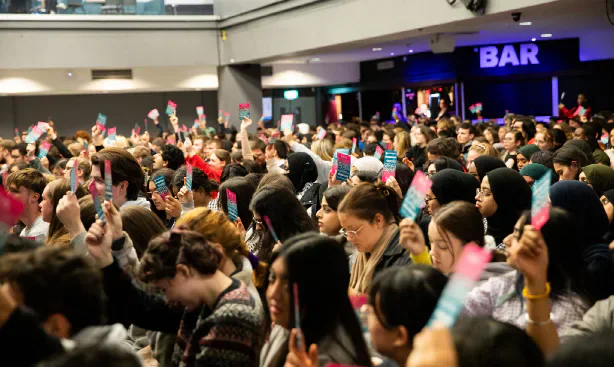
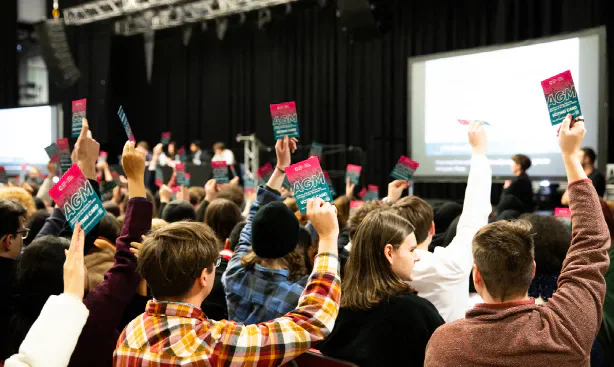
Sexual violence is something that nobody deserves to go through. This was the belief of those at the Annual General Meeting, who proposed the motion calling to end sexual misconduct on Cardiff University campuses. I interviewed Isabel Pelaez-Cooper, one of the speakers at the AGM in support of this motion, to gain some insight into why this cause is incredibly important.
When asked about the current issues on campus, Pelaez-Cooper, argued that “currently, there is a massive safety issue on campus. We have all seen the reports on Overheard, and the assault of the woman under the Senghenydd bridge. However, many are still suffering in silence or fear, so the truth is we really don’t know how deep the problem runs. But it is safe to assume that campus is not as safe as it should be”. Indeed, around university at night, I do not feel safe as a woman. Threatening individuals, who are frequently spotted in Cathays have been posted online, yet nothing has been done about this. We are left feeling at risk when walking home from work and nights out and encouraged to stay “vigilant” when the issue is nothing to do with us, and everything to do with the individuals making us feel unsafe as well as the lack of support currently available.
When asked about what change needs to be enacted, Pelaez-Cooper said “I’d ideally like the uni to implement every single one of our proposals in the AGM motion. These notably include every organisation relating to student life having clear preventative measures and investigative pathways when it comes to sexual misconduct, raising awareness for where to find support, promoting the university’s reporting system, and pushing open dialogue about this issue. She went on to suggest that “it would be even more commendable if the uni had further talks with us, so we could get possibly even more [proposals]”.
When questioned about what students can do to support the change that needs to happen on campus, Pelaez-Cooper stated that “students are always free to join time to act! There are only four of us who really work around the clock to do what we do. We would love it if people messaged us asking if they’d want to join our WhatsApp chats and meetings”. Time to Act is a student-led campaign tackling sexual misconduct within Cardiff University and beyond. You can find them on Instagram @timetoactcardiffuni. I urge you to follow and get involved. She also stated that “another way students could help is just simply talking about the issue. It is so important it doesn’t become a silent issue. We must speak up about it, we have to have these tough conversations for the sake of the safety of students on campus”.
Pelaez-Cooper also suggested that students need to make themselves aware of bystander training. This training teaches people how to intervene when they see harassment or violence, by urging you to to notice an event, recognise there is a problem, take responsibility for doing something, and possess the necessary skills to act. Obviously, this approach to a situation is not a universal method to handle situations concerning sexual misconduct. You should research this further to learn when you need to escalate a situation to someone who is more equipped to help, to ensure your personal safety. Pelaez-Cooper also suggested that “societies should have nights where they talk about bystander training and consent,” which I feel could be beneficial when trying to educate large groups on what they can do to help someone in a dangerous situation.
By actively supporting this motion on campus, alongside the changes the university is required to make (which can be found in the AGM Agenda 2024), we can create the change we want to see. The main thing I want to relay in this article is that standing by and allowing these things to happen on campus is simply not an option..