
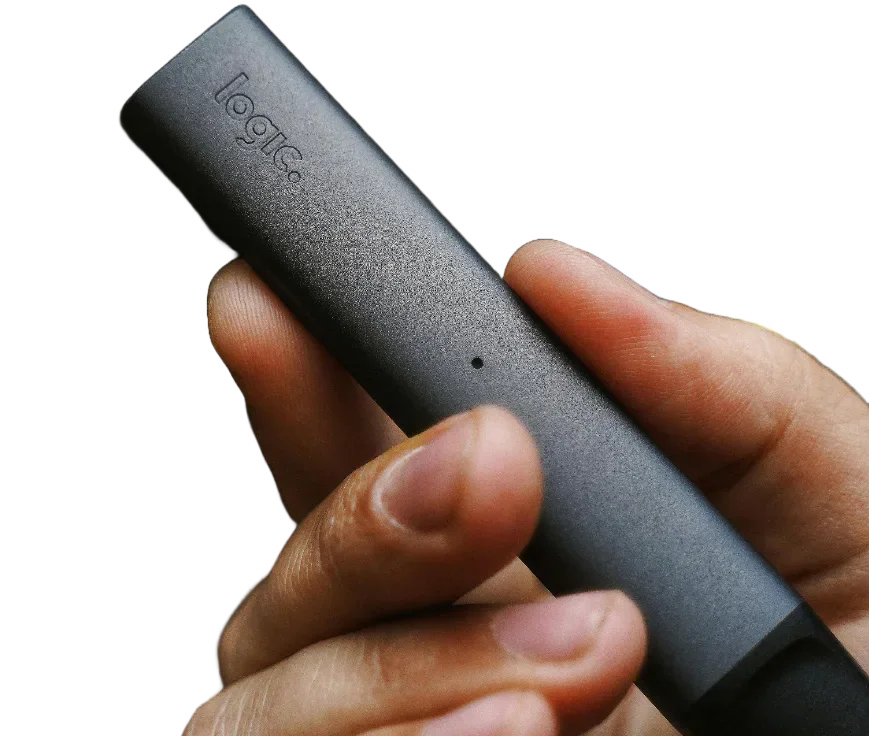
Nicotine, naturally occurring in tobacco plants, is a key ingredient in cigarettes, vapes and snus—all of which are rising in popularity among students.
University College London conducted a study that found the proportion of 18-to-24-year-olds who vaped had tripled since disposable vapes came onto the market, going from 9% in May 2021, to 29% in May 2023, with these numbers continuing to rise. Strikingly, a study showed that 34% of students said they could get through a disposable vape as quickly as one day or even one night out. But most shockingly, The Tab, after surveying the student population, discovered that Cardiff University is ranked as the third most vaping-addicted university, with 67% of Cardiff students saying they are addicted. So, how has this epidemic started, and what are the effects?
Nicotine is the main psychoactive component of tobacco; acting as a stimulant, it binds to nicotinic acetylcholine receptors (nAChRs), which cause the release of neurotransmitters, primarily dopamine, providing that relaxing sensation. The process also causes the release of norepinephrine and serotonin, which increase alertness and aid mood regulation, respectively. This whole process creates a reinforced behaviour pattern for the user, creating an association between usage and pleasure. With repeated use, the brain adapts to become more resistant to nicotine usage (often by the reduction in the number of its receptors), driving users to ever larger doses for the same feeling—the result of which can be a physical dependence. This dependence can result in users feeling withdrawal symptoms, such as decreased capacity for focus, which for students, drives them back to usage: without nicotine, students can feel less able, or completely unable to work, pushing them back in exam seasons.
A 20mg disposable vape is roughly equivalent to 20–40 cigarettes, directly contributing to this spike in addiction due to the intensity. Some electronic vapes are even able to deliver nicotine to the bloodstream more rapidly than cigarettes. As well as this, the accessibility of nicotine in corner shops and the social pressure to join in with this unhealthy trend, augments the addiction.
While the long-term effects of nicotine addiction are widely known (lung cancer, lung diseases like emphysema and chronic bronchitis, cancer of the mouth, throat, etc.), the immediate effects are hugely impactful too. The University of Surrey conducted a study which showed that regular vape users display a 15% increase in insomnia over non-users, with three in four people’s symptoms being clinically significant. Moreover, researchers in this study found that people with a nicotine addiction consumed twice as much alcohol each week as those without. These alarming statistics create a concerning reality for many students—poor sleep and excess alcohol use. The obvious next question is how this affects students’ studies. Needless to say: not positively.
In addition to the detrimental effects on students’ physical health, using nicotine is also linked to a rise in anxiety. Despite nicotine creating an immediate sense of relaxation since it is an anxiolytic drug, the feeling is temporary, and the withdrawal symptoms afterwards lead to an overall larger anxiety.
How can students kick this dependence? This, the vital question, remains.