
Season two of The Night Manager, currently being shown on the BBC, follows the well received first season from 2016. Based on the 1993 Le Carré novel of the same name, it sees Tom Hiddleston reprise his role as Johnathan Pine, originally the night manager of a hotel who is recruited by the Foreign Office to take down the notorious arms dealer Richard “Dickie” Roper (Hugh Laurie). In season two, Pine has relinquished his hospitality career for full-time work in a government task force, initially nocturnal observation then a mission in Spain and Colombia on the trail of Richard Roper’s “True Disciple”, Teddy, who is now the head of Roper’s operations and Roper’s son.
Things get murky with revelations over Roper’s presumed death and the exposition of undercover dealings within the intelligence services and Pine’s superiors. Over time, Pine’s carefully constructed plans begin to fall apart, as trust from Teddy erodes and hidden agendas come to light. Through surveillance work, he uncovers a complex conspiracy involving multiple parties across different countries and different agendas, including unexpected betrayals from within his own organisation.
Here is where I would say the main part of the series happens. Pine and the audience’s original assumption of Roper being deceased proves to be false as he is seen very much alive, now under an alias of “Gilberto Hanson” and planning an armed insurgency in Colombia using his arms shipments to invite chaos and eventually lead to his return to Britain. Pine’s attempts to intervene and seize the arms shipment ultimately backfire due to elaborate counterplans he, and frankly the audience, hadn’t foreseen.
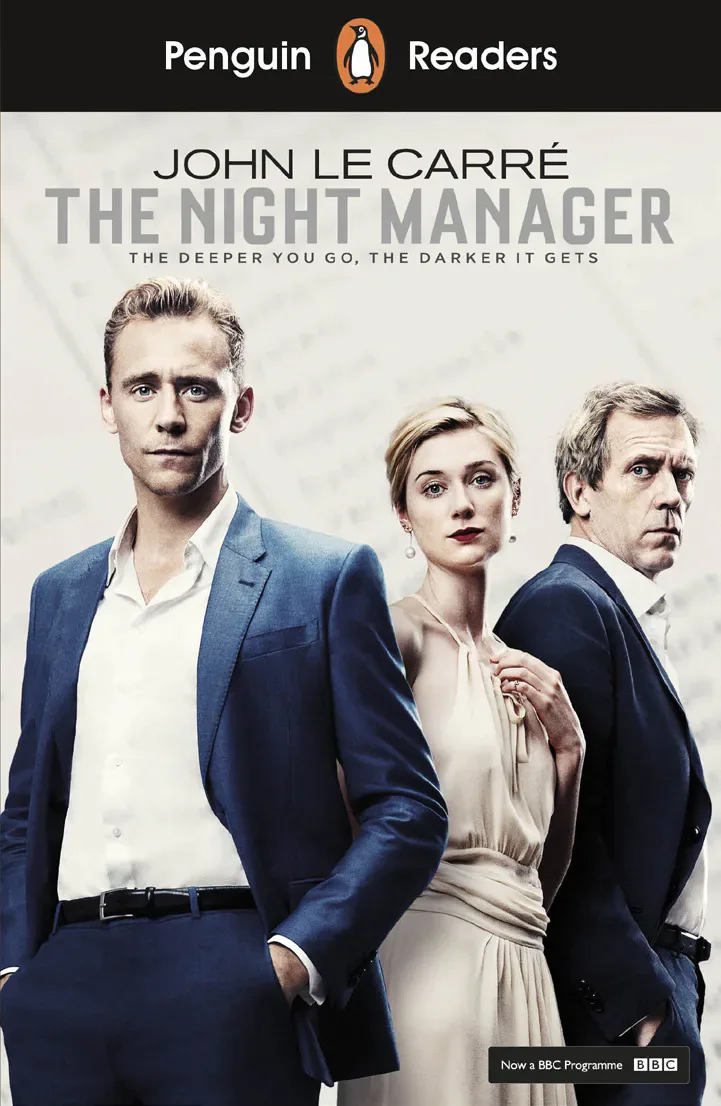
Roper’s failsafe plan involving multiple shipments, with some posing as decoys to fool his adversaries, results in catastrophic consequences for Pine, his allies, his organisation and potentially himself, while Roper’s associates appear on the surface at least to escape unharmed. This end-of-series conclusion, which feels open-ended and unresolved, felt more satisfying than the usual plotlines that we are used to in shows these days and to some extent matches Le Carré’s own sophisticated writing and plotting. The higher production values and more immersive action sequences does the series credit and also reminds me a lot of a modern James Bond film: a familiar graphic style in the opening titles, a plot revolving around armed rebel forces in a South-American country, and an agent seemingly undercover only reinforces this tale of intercontinental espionage.
This might be the best shot that Hiddleston has at playing the Bond role
This might be the best shot that Hiddleston has at playing the Bond role, but with a third series already confirmed, it might be that the BBC have their own and comparable franchise gaining a similar momentum. Swapping Fleming for Le Carré might yet see Hiddleston achieve a similar status. You could argue then, that with The Night Manager, the BBC is seemingly turning Hiddleston into their own James Bond, and here it really works.