
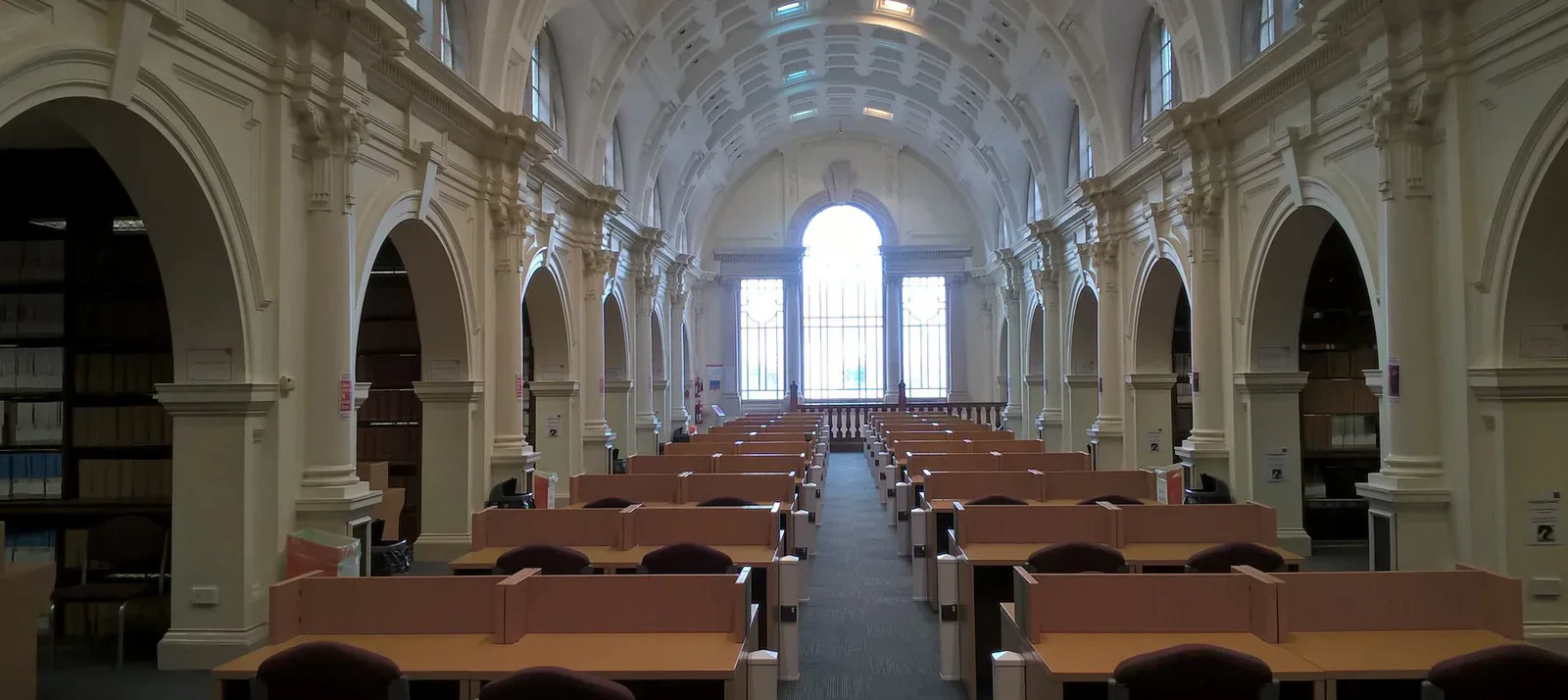
When did you last hear a newsline describe a non-military issue as an emergency or security threat? Housing is a crisis. Immigration is a national security issue. Protests are a risk to public order and safety. And now, UK universities are vulnerable to ‘hostile states’ on the international stage. Why is emergency language everywhere we look, and what could it mean for Wales if the universities are being formally designated as security threats?
Whilst for some, crisis labels may feel like the government is finally taking your rising rent seriously, this constant reframing should not be taken at face value.
As many security students are familiar with, the use of emergency buzzwords for not just military threats but also everyday sectors can be a political act to bypass normal democratic measures and accountability procedures. It means the media has little to dig into, nor do opposition parties or independent experts have a legitimate standpoint to argue with an issue labelled a ‘threat to security’. Exceptional measures leap over real democratic debate.
A clear example of how an emergency accelerates power is the Coronavirus Act, passed in just three days and introducing hundreds of regulations without full MP debate. Whilst a global pandemic indeed warrants exceptional measures, the precedent is important: urgency replaces public deliberation and safeguards.
Even those grounded in human rights law can be sidelined in the name of security. Just see how Farage cries crisis about immigration to justify leaving ECHR...
But just last week, the MI5 warned the UK Government that UK universities are now designated as prone to foreign interference from ‘hostile states’ (BBC).
The point is that the policy will thus shift from an educational matter to national security... from places of learning, discussion and research to a vulnerability in defence infrastructure.
By bringing emergency language into non-military, everyday politics, exceptional unchallengeable measures are invited to govern ordinary sectors. The shift has constitutional consequences, doubly so for Wales.
For the UK as a whole, this is one layer of democratic thinning. For Wales, it could remove many university-level educational decisions from its devolved powers. The partial Welsh devolution, which DOES include health and education, does not include defence, immigration or foreign policy.
So if by the recent MI5 warning, universities are securitised... Welsh capacity is overridden, requiring compliance regardless of local opinions. This twofold mechanism is precisely what creates a double democratic deficit. First, emergency language reduces criticism and debate at the UK level. Second, Wales lacks the authority to contest the measures implemented in the name of national security. Decisions become both politically rushed and geographically distant.
We have seen this dynamic before, and it still affects our protests today for example.
Despite widespread Kill the Bill protests in Wales, legislation was passed in 2022-23 to penalise participants and organisers of protests, justified in the name of public security and safety. Wales’ Minister for Social Justice argued repeatedly however that this bill infringed on areas within the Senedd’s legislative competency. Despite local opinion and Welsh opposition, the UK Government overrode it; public order and protest policing are ‘reserved matters,’ not requiring Welsh consent. Put simply, emergency and security framing doubly deflate Senedd powers.
So imagine this logic applied to universities; what would the implementation of security measures look like?
It could be that measures in face of this will be implemented under the framework of national threat legislation, counter-espionage and foreign influence laws... another area effectively yielded to Westminster, as under this ‘crisis’ the lines between education and security are blurred.
Decisions for Welsh universities about research partnerships, funding and students may sit within a defence framework, finding aspects of their governance indirectly shaped by Westminster. When universities are framed as security vulnerabilities, or as above when protest becomes public disorder, or when economics and housing become existentially threatened, emergency politics expands quietly into ordinary life.
For the UK, this means thinner scrutiny, but for Wales, it means thinner scrutiny and decision-making distance.
The more policy areas that fall under security, the more frequently exceptional measures are justified, taking a double distance from Wales. Whether the answer lies in further devolution or not in the upcoming May elections, the question remains, is it really that favourable to have exceptional measures in all sectors of not just British everyday policy but Welsh too, where exceptionality is felt twice?
This is something to watch for as political media increasingly securitises everything....