
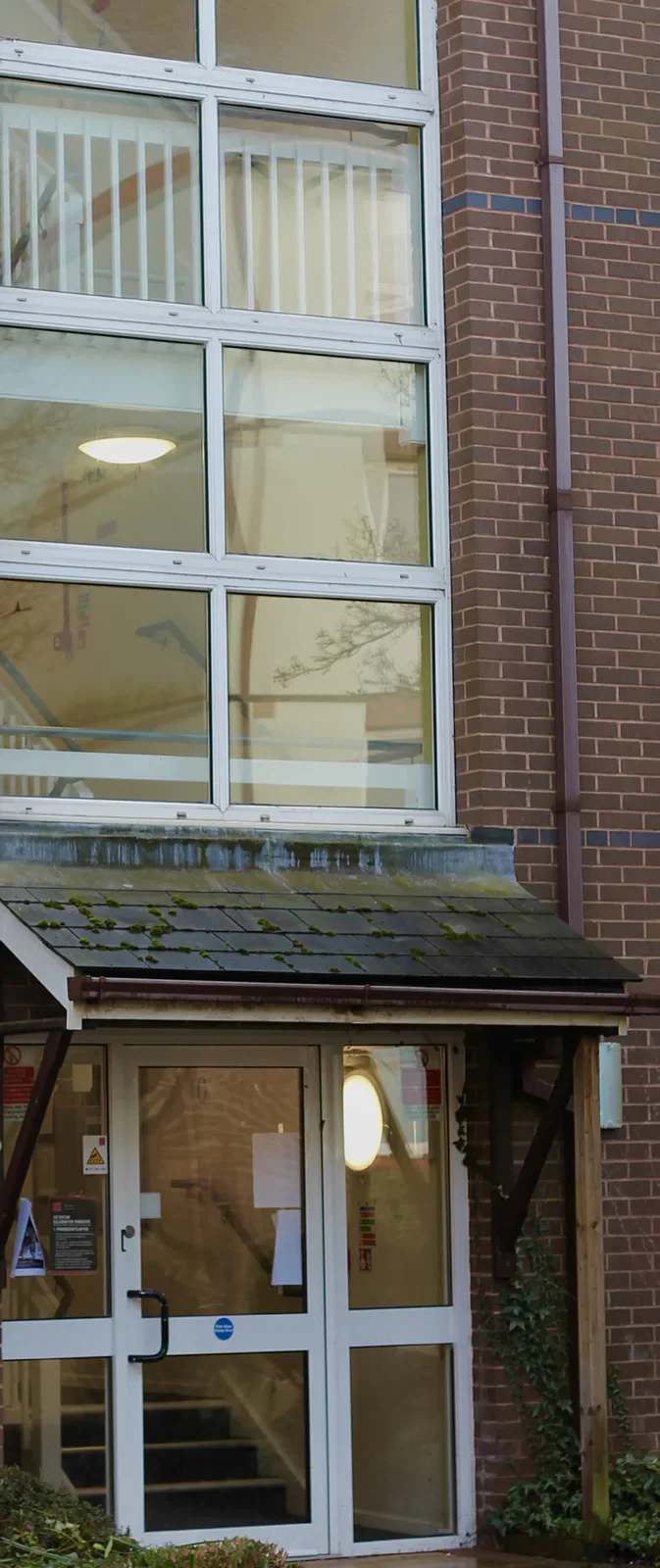
At the end of last semester, Cardiff Students’ Union Instagram account posted that for the 2026/27 academic year Senghennydd Court’s previously scattered Welsh-speaking flats will be placed into one block. Despite this collation in Senghennydd Court the option to have a Welsh flat in Talybont North and Clodien House will continue. This revision of the accommodation process includes mainstreaming Welsh language options under ‘Cymuned Gymraeg’, translating to ‘Welsh Language Community’.
However, will this create a cultural hub for Welsh-domiciled students or a segregated ghetto? With 32% of students at Cardiff University who are Welsh-domiciled, it is important to support and recognise those Welsh-speakers. The university prides itself as ‘a Welsh institution with a global perspective, and the Welsh language is woven into the fabric of our institution’.
By enacting this movement in Senghennydd court, this vision could be further realised. This aim to nurture Welsh-speakers at university could also be beneficial for sustaining a vulnerable language. Whilst it’s estimated that 828,600 people speak Welsh in 2025, that only accounts for 26.9% of the population in Wales.
Providing a space for students to continue practicing their home language can only help the fragility of the Welsh language. Plus, this reform of Senghennydd Court may help Welsh students to create communities and build friendships. Comparing this accommodation initiative for 2026/27 with other universities, Aberystwyth University’s Neuadd Pantycelyn has been celebrated as a vibrant home for Welsh speakers.
Housing the Union of Aberystwyth’s Welsh Students, Neuadd Pantycelyn even received a mention in the UK Houses of Parliament recognising the ‘role Neuadd Pantycelyn Hall has played in promoting the Welsh language.’ As a non-Welsh speaker myself, I reached out to Welsh-speakers about the proposal. One noted that ‘whilst there are obvious efforts to support the Welsh language, like bilingual signs and student societies like Gymdeithas Gymraeg, English still dominates.’ This person further commented that collating Welsh speakers into one block would ‘be beneficial for first year students to feel more at home.’ However, already nicknamed ‘Senghetto’ by some students, the university’s move to combine Welsh-speaking flats into one block poses the danger of creating a Welsh clique. In my opinion going to university is a time to meet people from all backgrounds and cultures.
Creating this space would empower a Welsh identity at Cardiff University
By segregating Welsh-speakers, Senghennydd reforms have the potential to hinder social development for Welsh students at Cardiff University. Not only do these reforms have the potential to negatively impact residents of Senghennydd Court, but external students may also label this accommodation as ‘Welsh-only’, creating a divide rather than a hub. What started as an initiative of community-building could prove the nickname ‘Senghetto’ as prophetic.
Whilst I think these dangers are plausible, I feel that the possibility of a negative response is more unlikely than the benefits. One Welsh-speaker mentioned that they weren’t always aware of other Welsh-speaking students, so creating this space would empower a Welsh identity at Cardiff University. Crucially, the option living in a Welsh-speaking block is just that: optional.
No student is forced into linguistic isolation, and those who are looking for fellow Welsh-speakers can feel empowered. It’s hard to determine the fate of these reforms until they are implemented in September, but I feel confident and hopeful that these reforms will be positive for first year Welsh students.