
The idea of making the planet ‘net zero’ - where a baance between carbon emissions and carbon being removed from the environment is met - has been a key policy point, with initial ideas first proposed in 2017, and confirmed by Johnson in 2020.
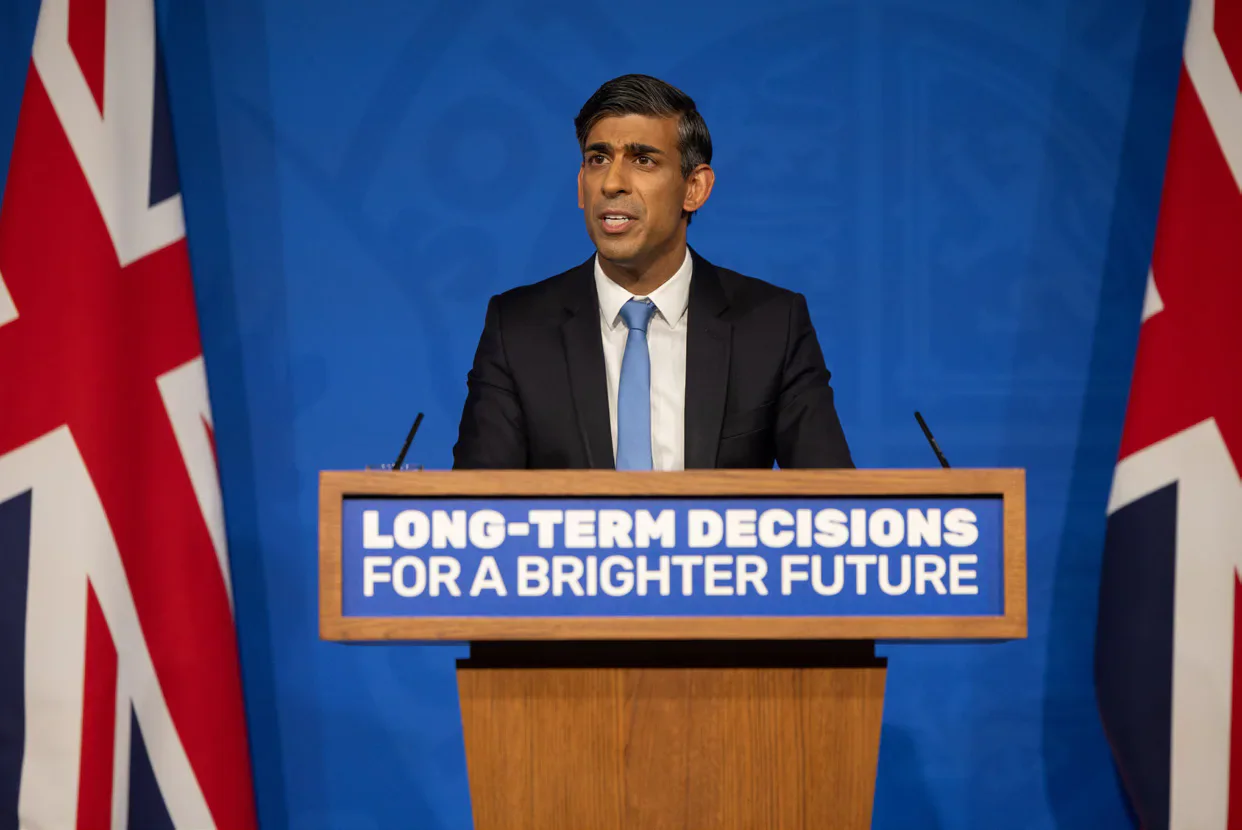
However, Prime Minister Rishi Sunak has controversially U-turned on these environmental policies, leading to backlash from fellow Conservatives and other political parties.
Plans to ban the sale of new petrol and diesel cars will now be pushed back to 2035 instead of the original 2030, promises to 100% stop the installation of gas boilers by 2035 has been amended to an 80% phase out, and landlords and homeowners will no longer be required to make houses more energy efficient.
To further this, Sunak has confirmed suggested policies to curb behavioural trends that harm the environment, such as meat eating and taxing airlines, will not be taken forward by his government. He has, however, insisted that he is eager to stick with plans to become ‘net zero’ by 2050, in a ‘pragmatic’, middle road way.
Sunak’s suggestion is that the original policies would have been more costly to the British public, with fuel run cars currently being cheaper on the market, and house insulation efforts becoming costly.
We’re not going to save the planet by bankrupting the British people.
However, this has been disputed, with research by the Energy and Intelligence Unit finding that poorly insulated homes will cost £1000 more on gas to heat this Winter, leading to higher costs for renters.
Chancellor Jeremy Hunt’s advisor claimed the watering down of policies would affect UK finances, since policy volatility prevents businesses from making long term investments.
The decisions have created internal divisions within the Tory Party, with Tory grandee Lord Deben billing them as ‘unconservative’ due to creating distrust in the government and wrecking certainty and consistency in business, and former Conservative environment minister Lord Zac Goldsmith critiquing the situation as “a moment of shame”.
Sources close to Number 10 claim that the U-turn was due to Sunak trying to set a clear path from Labour policies ahead of the next general election, with Labur claiming they would restore the 2030 deadline to ban petrol and diesel cars, although not bringing back gas boiler targets. Shadow energy secretary Ed Miliband condemned the government’s decision as an “act of weakness... dancing to the tune of a small minority of his party”.
Either way, it’s undisputed by scientists that the watering down of environmental policies will make it harder to reach Net Zero targets, and thus threaten the sustainability of our future.