
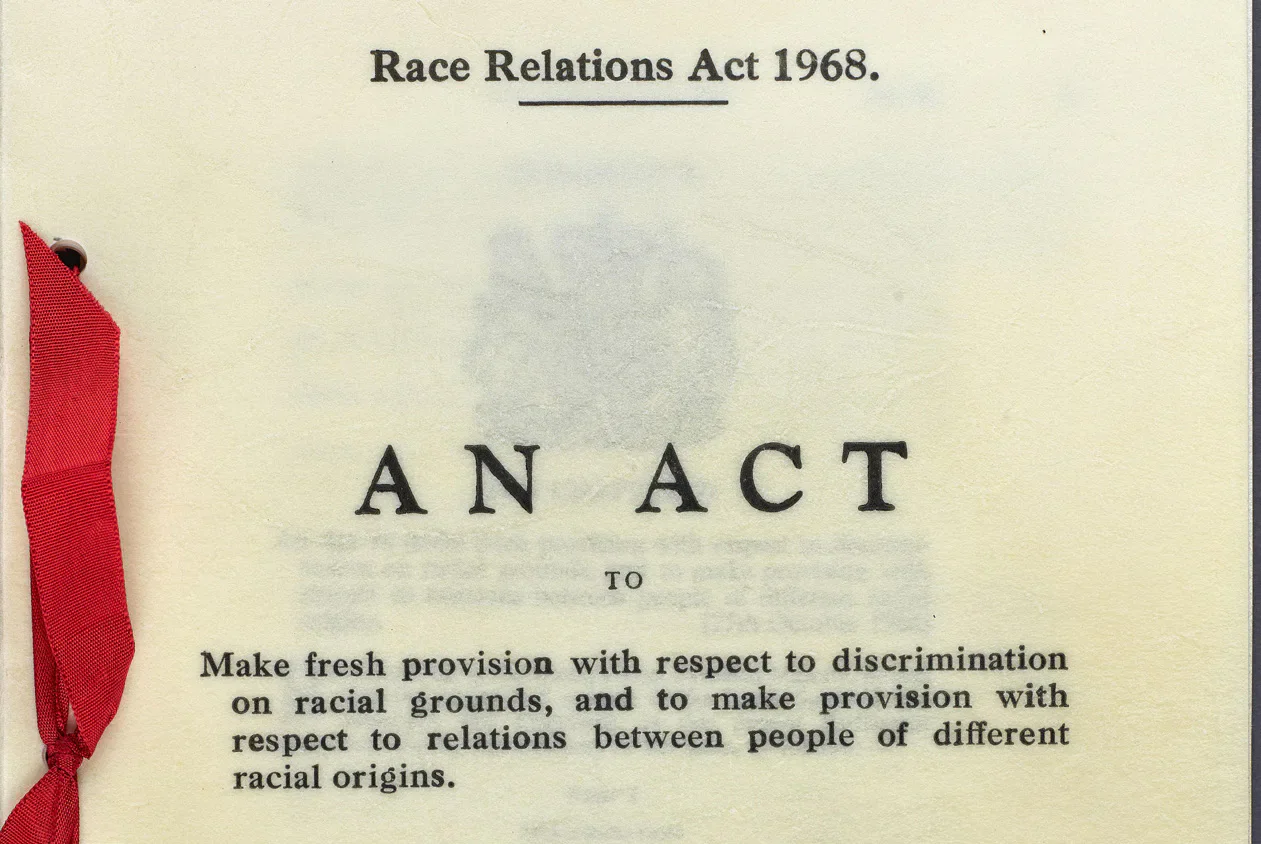
Multiculturalism is undoubtedly on the rise, and cultures are not only coexisting, but becoming a conglomerate. Despite this, racism has been far from eradicated, with recent reports leading us to believe that racism is increasing. Cardiff University medical school professor, Dr Sarju Patel recently spoke to the BBC on his experiences with racism: “I was spat at in the ’70s because of my colour—those days are back.” Dr Patel has shared how he fears we are seeing a return to the overt racism he experienced as a child.
Home Office figures show that hate crime offences have risen by 2% compared to the previous year, with almost 116,000 reported hate crime offences. To be part of modern society is to be surrounded by different cultures and people from all walks of life, so why are we regressing as a society when it comes to racial inclusivity? In a world fuelled by “woke” and “cancel culture”, the line between being “too woke” or racist is blurred.
Race has always been a difficult subject to discuss or navigate, given how it can differently impact people. Due to this, conversations surrounding race sometimes cease to exist, or the topic is touched on very lightly, so as to avoid any potential disruption or unease. These could all be contributing factors to the increase in racism in our society today.
Not only is society diminishing the severity of racism, but society oftentimes adds to the maltreatment of people of colour and immigrants. Race Equality First’s chief executive Aliya Mohammed says: “People feel that it’s now permissible for them to spout racist hate crime and hate speech because they’re seeing this on their TVs.” She shares how we’re seeing politicians blaming asylum seekers and refugees for problems like unemployment and the rise of NHS waiting times despite these problems being the results of long-standing failures in infrastructure and government policy. Regardless of political views, we as a community are not hearing enough counternarratives to the racist and divisive rhetoric that seems to be constantly appearing on our screens.
From politicians stating that they would impose “ideological screenings” on all immigrants, to speeches with anti-immigrant and racist undertones, the world is progressively becoming more open in its racism. A point has to be made that when prominent figures in society are openly perpetuating hatred, it is difficult to expect any different from the rest of society. Racism is becoming normalised in 2025 and goes beyond hate speech and discrimination, as people of colour and immigrants have also clearly been held to a different standard as compared to their white counterparts.
With an increase in inclusivity and emphasis on representation in media, it has become increasingly clear how minorities and their white counterparts are held to different standards. It is quite common for ethnic minorities to not speak out against racism or being treated differently, as Dr Patel has found amongst his cohort. There is an attitude or mindset of not wanting to get involved, in worries of their efforts going against them.
Dr Patel explain: “If you’re from a minoritised group, you’re more likely to be disciplined than one of your white colleagues, you’re less likely to be promoted—these are the realities. For people who have grown up in racist communities, there is a cumulative damage that comes from years of dealing with racism which ripples through generations. Being an ethnic minority, there are certain decisions that you must make, you can either do what they want you to do and cower—let yourself be put in a box and stay there—or you fight back.
But you’ve got to be really careful how you fight back, because you’re quickly labelled as the angry or aggressive ethnic person, or the troublemaker.” It’s become a standard and almost an expectation for people of colour to have to deal with racism and become powerhouses of quiet resilience. Is this really the way forward? Younger people are always consuming media from which they adopt their mindsets.
For this reason, we must change the rhetoric in the media, hence why increased conversations about racism, no matter how uncomfortable they may get, are the way forwards and would help equal the playing field, as Dr Patel puts it. A perspective change is needed. Open conversations are needed.
Most of all, an understanding that systemic change takes time, but that recent generations have built a strong foundation for long-term progress is needed.