
Rishi Sunak performed a dramatic reshuffle of his cabinet on the 13th of November, which has raised questions regarding the Tory Party’s sense of direction ahead of the general election next year.
One of the most shocking changes: Suella Braverman lost her position as Home Secretary after defying No. 10 by writing an article which accused the Metropolitan Police of bias in the policing of protests.
This is now the second time she has been removed from office, with the first occuring under Liz Truss’ premiership when it was discovered that Braverman had shared confidential cabinet papers with a Tory MP without the Prime Minister’s permission.
Despite this, Jacob Rees-Mogg said the sacking was “a mistake” that will hit the Conservatives’ chances of winning the next general election as “Suella understands what the country thinks about migration” and she was “determined to get it down”.
James Cleverly has replaced Braverman as Home Secretary which suggests a more moderate centrist approach to the role than the hard-right stance of his predecessor.
In response to her dismissal, Braverman has written a three-page letter to Sunak, in which she accuses him of betrayal.
She argues “your plan is not working, we have endured record election defeats, your resets have failed, and we are running out of time”. This therefore surfaces further questions about the Tory Party election strategy.
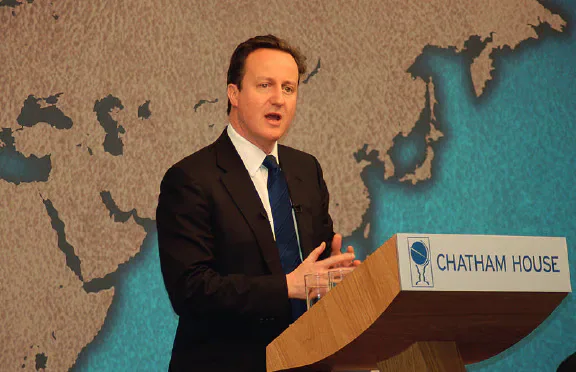
Another big change has been the appointment of former Prime Minister David Cameron as Foreign Secretary.
This move has received criticism, given Cameron is no longer a sitting MP. In order to be appointed to the cabinet, he has been awarded a life peerage, meaning he now sits in the House of Lords.
This has raised questions regarding the mandate of the government to appoint an unelected member into the government.
Cameron backed Sunak’s leadership, claiming he “is a strong and capable prime minister, who is showing exemplary leadership at a difficult time”, despite the fact he has “disagreed with some individual decisions”.
His appointment as foreign secretary raises questions in the context of Brexit, given his pro-Remain stance during his time as PM, which could cause tensions within the pro-Brexit party. Cameron is the first former Prime Minister to re-enter government since Alec Douglas-Home in the 1970s.
Sunak has also appointed what has been dubbed a ‘common sense minister’, in the form of right-wing GB News presenter Esther McVey.
She has officially been appointed as a minister without portfolio, but it is assumed she will bring an anti-’woke’ agenda to the focus of the government.
Among other changes, Environment Secretary Therese Coff ey was replaced by Steve Barclay, the former Health Secretary.
He has been replaced by Victoria Atkins, which again promises a more centrist stance to the role.
The main takeaway from this switch-up can be the ideological changes within the Conservative Party, with many of the new appointments coming from the centre of the party, rather than the more extreme right-wing MPs.
Former Cabinet Minister Jacob Rees-Mogg claimed the party was “in danger of losing votes to the Reform Party”.
However, it is widely accepted that these changes form part of Sunak’s electoral strategy ahead of next year.