
In February, Robert F Kennedy Jr (RFK Jr)—nephew of former US president John F Kennedy—was appointed as the new Secretary of Health and Human Services in Donald Trump’s cabinet. As is often the case with Trump’s decisions, the appointment of RFK Jr wasn’t without controversy. In the past, RFK Jr has expressed controversial views on vaccines, particularly during the COVID-19 pandemic, and is viewed by many as a conspiracy theorist.
Since his appointment, RFK Jr has sought to ban the fluoridation of public drinking water and the use of artificial dyes in food and drinks. But with a track record of controversial beliefs, are these moves in his bid to “Make America Healthy Again” actually grounded in science? Water fluoridation involves adding fluoride—a naturally occurring mineral—to drinking water and is regarded as one of the most successful public health campaigns for improving oral health.
Fluoride can help replace minerals lost through daily wear, improving the strength of teeth and reducing the likelihood of dental issues. However, despite fluoridated toothpaste being widely accepted and used, fluoridated water has not seen the same level of adoption and has been mired in controversy. As of 2022, around 60% of the US population received fluoridated water; however, just last month, Utah passed a ban on fluoridation, and Florida appears poised to make a similar move.
The reasons behind this? RFK Jr has cited alleged links between elevated fluoride levels and negative cognitive development in children, as well as stressing the importance of Americans’ “individual choice”. However, it is always important to consider dosage, and it seems like these adverse effects are only seen in very high doses of fluoride—concentrations far higher than the 0.7 milligrammes per litre of water currently used in the US.
Banning fluoridation contradicts studies dating as far back as the 1930s that demonstrate the benefits of fluoridated water on oral health, and has raised concerns among doctors and dentists in Utah and Florida. It appears to be a controversial move by RFK Jr, who, notably, is a lawyer with no background in public health. In perhaps a less contentious move, RFK Jr has also proposed banning artificial food dyes in food and drinks, with two synthetic dyes scheduled to be banned by the end of the month and six others to be phased out by the end of 2026.
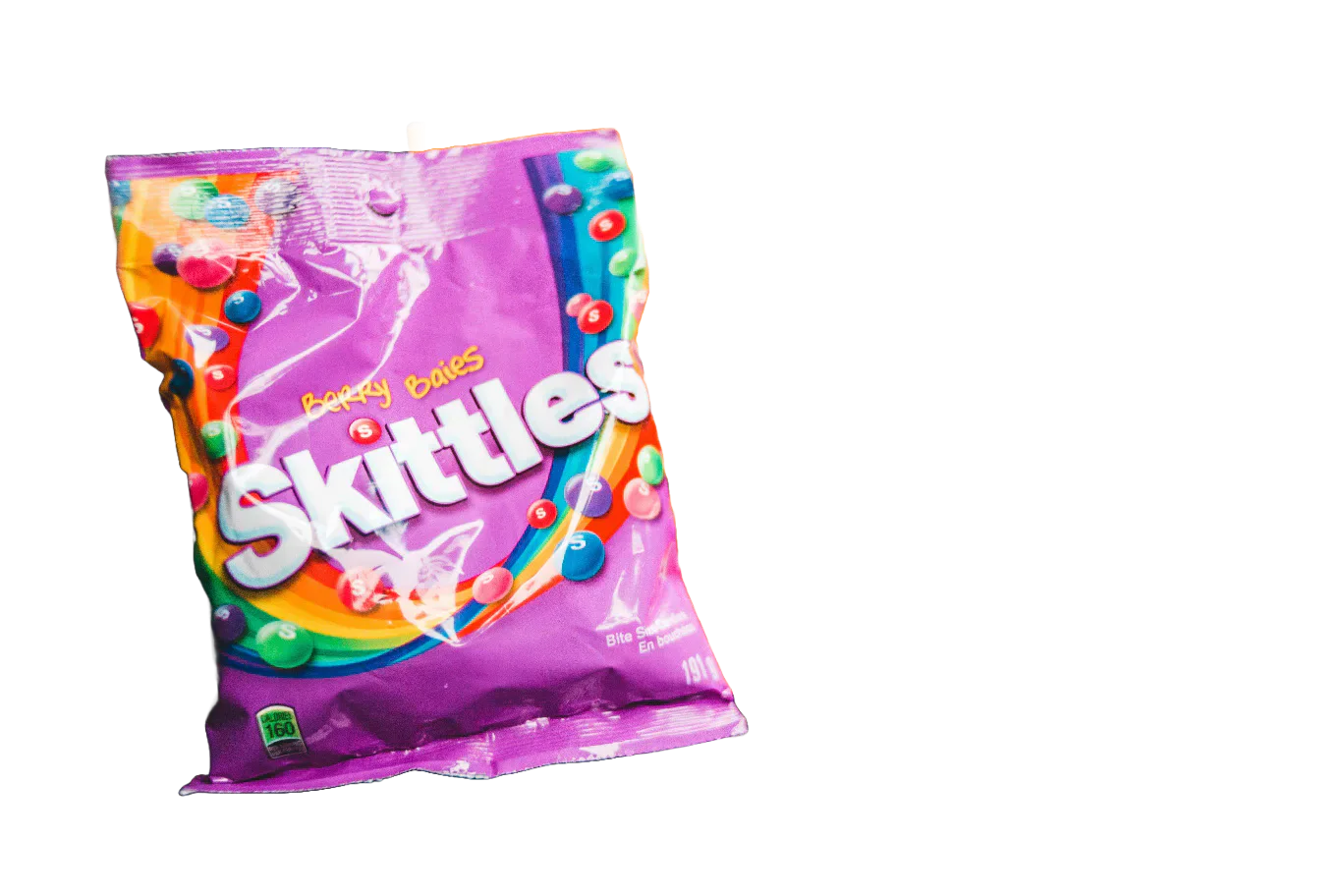
Artificial food dyes, commonly derived from petroleum, are used widely in the US to increase how “attractive” food is to the consumer. Rather than a dull-looking Fruit Loop or a faintly red Skittle, food additives in the US ensure that snacks are bold and stand out against their British counterparts in a somewhat typical example of the overexuberance of US food. These synthetic dyes are entirely aesthetic and provide no health benefits.
In fact, there is extensive evidence linking them to behavioural issues, and associations with cancer and other diseases have also been reported. The choice between slightly less colourful food and potential health issues seems clear; however, the US has lagged behind the UK and Europe in introducing bans to synthetic dyes. Nonetheless, the move is a positive one, especially given the availability of safer natural dyes derived from sources such as carrot and watermelon juice, which can be used to achieve a broad range of colours.
The bans are part of RFK Jr’s broader initiative to make Americans more aware of what they are consuming—an undoubtedly important goal, particularly in light of recent World Health Organization (WHO) data showing that the US has an obesity rate of 42.9% based on body mass index (BMI). Along with banning synthetic dyes, RFK Jr has also spoken out against ultra-processed foods such as frozen pizzas and breakfast cereals. These products often contain additives and ingredients unfamiliar to the average consumer—chemicals more at home in a laboratory than a kitchen.
As of now, RFK Jr has not introduced any bans on the consumption of ultra-processed food or to their ingredients, but any future regulation would likely be a step towards improving the health of the US population. However, for every seemingly science-based policy, RFK Jr also promotes stances lacking scientific support, case in point his view on raw unpasteurised milk. Milk undergoes a process called pasteurisation—heating at a high temperature to eliminate pathogens that can be transmitted from cows to humans.
It has been illegal to sell unpasteurised milk on UK high streets since 1985, and given recent findings of viruses such as bird flu in raw milk, the rationale for this restriction is clear. Despite the risks, some people—including RFK Jr—believe raw milk to be a “superfood”, claiming it contains beneficial bacteria destroyed in the pasteurisation process. However, this belief lacks robust scientific evidence, and any possible benefit would be largely outweighed by the health risks involved with its consumption.
It has only been three months since RFK Jr’s appointment as Secretary of Health and Human Services, yet in that short time he has catalysed several bans and expressed strong opinions on a variety of health-related issues—some supported by science, others not. His tenure so far highlights the challenges that arise when politics and science intersect, particularly when prominent voices in science policymaking lack a scientific background. There are still three and a half years remaining in Trump’s term—plenty of time for RFK Jr to enact further changes.
Whether they will be rooted in scientific evidence or risk lacking any scientific foundation remains to be seen.