
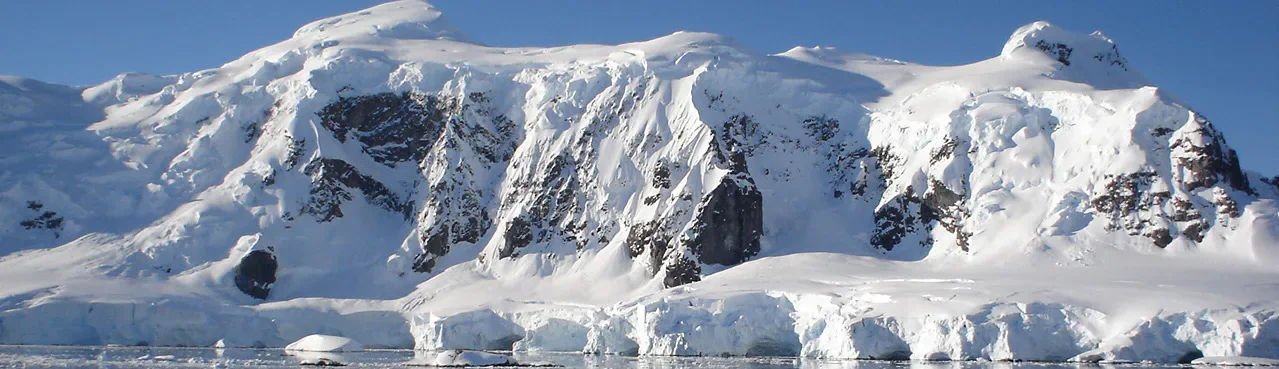
There has been more evidence regarding the risks of climate change and the irreversible effects of global warming, primarily with the unusual weather patterns and the increase in global temperatures. The current concern on the minds of scientists and world leaders is regarding what will happen to the coldest part of the planet when then rising temperatures melt away the ice and destroy the habitats of the different animals that reside there. Antarctica is home to the largest ice sheet on Earth—14 million square kilometres—with the average temperature of -40°C causing any snowfall to build up over millions of years and form the massive ice sheet.
However, scientists have warned that there has been a 3°C rise in Antarctica since the 1950s, which can trigger a collapse on the vast ice sheet and increase the sea levels by around 4.5 metres. If these temperatures continue to increase, then the rising sea levels will not be the only concern for the world; scientists are also concerned about the trapped gases in the ice that will be released into the atmosphere. When snow falls, the air pockets in between each snowflake fuse into bubbles that dissolve under intense pressure and infused the ice with gases such as nitrogen, oxygen, carbon dioxide, etc.
The increase in greenhouse gases in the atmosphere will lead to a higher global temperature and disrupt the natural weather patterns, which we have already seen more of over the past few years. As we try to slow down the effects of the increased temperatures in Antarctica, there have been conservation efforts that have been trying to bring more attention to the different wildlife that will likely be lost due to climate change because of a loss of their habitat. One species that is often overlooked is Antarctic krill, which play a critical role in storing excess carbon dioxide in the seabed through their waste, and they rely on the ice sheets for protection and nutrients.
Krill larvae feed off the algae under the ice and use it as a shield from predators. Unfortunately, with the change in sea levels and currents, these krill larvae are less likely to survive to adulthood and will change how carbon dioxide is stored in the ocean. An article by James Ashworth explains why we rely on a stable krill population to reduce greenhouse gas emissions, saying that they eat photosynthetic plankton—which consume the gases in the ice and atmosphere before they sink to the bottom of the ocean and excrete dense pellets that hold the greenhouse gases and bury them on the seabed.
By ignoring the increased temperatures and the melting ice sheets, we also ignore a species that we rely on to reduce our carbon footprint and slow down the effects of climate change. The question that we now ask ourselves is what we can do to reverse these effects, or if there is any way that we can save a part of the world that we have started to destroy. The hope that scientists currently have is that studying glaciers in Antarctica to analyse weather patterns from millions of years ago will help us understand them better now.
An article published by National Geographic details how we can develop computer models to capture the effects of increased greenhouse gases and accurately forecast how they will play a part in the climate crisis. Until we can properly understand these effects and how to reduce them, we need to start taking personal action to reduce our own carbon footprint, considering what changes we can make to our lives that can help the planet.