
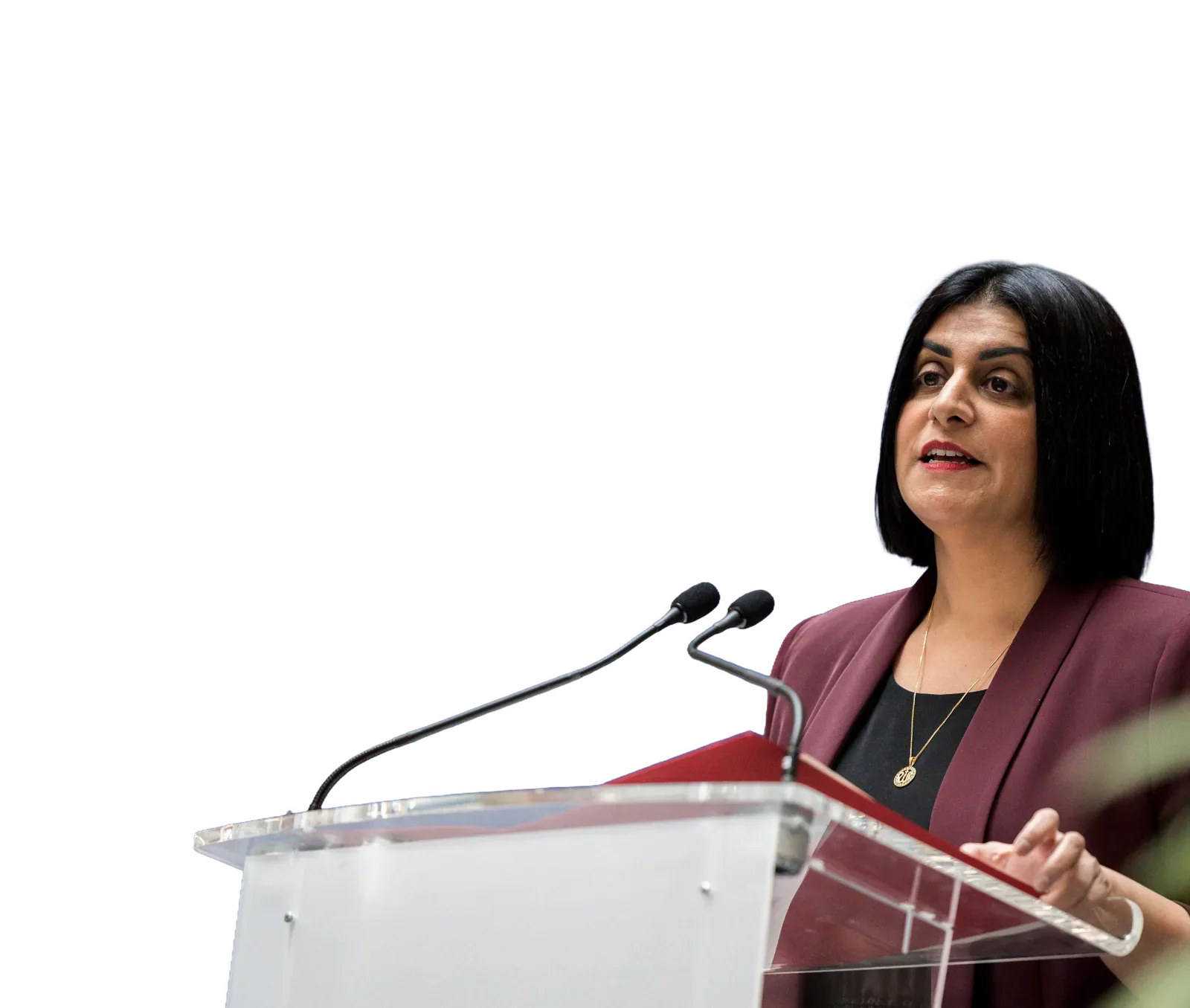
Home secretary Shabana Mahmood’s new policy, entitled Restoring Order and Control, will undoubtedly do the opposite. The Home Secretary hopes that these harsher controls will deter more people from crossing the Channel in small boats and reduce the number of “false” asylum claims. Designed as a response to the immigration crisis, which Mahmood states is “tearing apart our country”, the new rules are a political gamble, a bureaucratic nightmare, and a moral failure of duty to the most vulnerable.
Based on the Danish model adopted in 2019, under Labour’s new approach, refugee status will be made temporary and require mandatory review every 30 months. Refugees may be waiting up to 20 years to achieve permanent settlement, and family reunion will not be possible if the claimant did not utilise a work or study route to the UK. Moreover, Labour’s government will axe the 2005 legislation that requires support to be provided to asylum seekers who cannot afford housing.
This, coupled with Mahmood’s consistently alienating rhetoric, reflects the home secretary’s sacrifice of moral duty in favour of combatting the highly-polling Reform UK. Immigrants have been made the scapegoat of this political dogfight to sway the British public, often through disinformation. Immigration is not tearing apart our communities; rather, it is the manipulation of the issue that is creating unfounded division.
Zeena Luchowa, chair of the Law Society’s immigration law committee, said “these changes seem perverse, unreasonable. and punitive on individuals who are genuinely seeking asylum”. Not only divisive in society, the policy has also been controversial within Labour, with many MPs raising complaints about the stark language and the deportation of children with their families. If Mahmood wishes to reduce division, alienating the more left-wing of Labour’s government contradicts attempts at uniting against Reform UK.
This is crucial, not just symbolically but technically, because the government will have to legislate to bring in some of the changes, hence there will be votes in Parliament. Any opposition, especially within the Labour Party itself, will determine whether the package becomes law. It is disheartening to see the parallels between Labour’s plan and Theresa May’s “hostile environment” policy.
Mimicking the opposition will not sway Reform voters, and will simply lose many Labour votes. What is more, the implications of this plan on the bureaucratic caseload of the Home Office will be disastrous, hindering the purpose of the policy. Requiring review of each asylum case every 30 months will impede the underfunded body from processing and adequately assessing individual claims with the care and scrutiny they deserve.
If the chronic austerity immiserating the British public has allowed for misplaced anger at immigrants, surely by further burdening services, the vicious cycle of blame will continue to weaken public trust in government. Modest attempts at alternative solutions were suggested in the package—such as helping French authorities to crack down on smuggling gangs, encouraging student visas for countries at war, and prolonged waiting times to allow for integration—none of which have historically been effective. It seems the Home Office is more concerned with flaunting reduced migration statistics than the realities of the social consequences.
Whilst the political and administrative repercussions of this policy are significant, the moral implications are the plan’s greatest failure. It appears the rules of deportation would particularly impact Syrian refugees. As a new regime emerges from the rubble of Assad’s devastated Aleppo, the UK may deem Syria a “safe” country for deportation.
It would be indescribably unjust to uproot families who have made a life here by invalidating their status and enforcing deportation, whilst simultaneously advising British tourists not to travel there. Above all, the language used throughout the package is incendiary. Such emphasis on the terms “securing the borders”, “bogus” asylum claims, “order and control” play in the mind of the public psyche, reinforcing negative stereotypes and painting the idea of the “worthy” refugee who should be tolerated versus the troublemakers against whom we should defend ourselves.
It puts us on a colonial pedestal of playing God and judging individuals’ characters. By creating this hierarchy within a vulnerable minority, we allow fundamentally racist statements to be made under the guise of criticising the “bad” refugee. Labour is stoking the flames of a fallacious sense of nationalism to burn away empathy, in hopes of disarming Reform UK of their major selling point.