
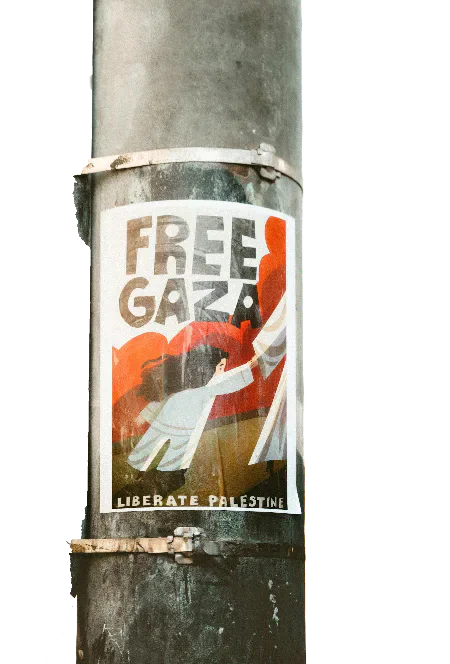
Monday 20th of January marked a monumental day: thousands of Palestinians were able to return to North Gaza after 471 days of unrest. Following the opening of military checkpoints that have divided the Gaza strip for over a year, the forced exile that many feared would become permanent, came to an end.
Tensions between Hamas and Israel were high during the release of hostages, with the attempt to find a common ground being imminent. Amid complications surrounding the release of Israeli hostage Arbel Yehoud, a 24-hour delay to the ceasefire sent panic across Gaza. Thousands felt unrest in the Netzarim corridor on the evening of Saturday the 18th, with Palestinians expecting the corridor to be opened; it remained blocked by Israeli tanks and gunshots were fired, as the group was seen as “posing a threat”. This corridor was created within weeks of the conflict and has watched thousands of Palestinians moving to the south of Gaza. However, the ceasefire deal finally came into play when three hostages were released, one being Emily Damari, a British-Israeli woman.
Once the first stage of the ceasefire was in motion, the first wave of people were able to return to their homes in Gaza. 90% of the 2.3 million people living in Gaza have been displaced due to the conflict and nearly 47,000 have been killed—this does not include those who have died from hunger, lack of shelter, and the collapse of the healthcare system. According to UN data, 80,000 buildings have been damaged or destroyed in Gaza since the start of the conflict, leaving many without homes. This was not a shock, with many expecting to return home to find Gaza in ruins. But hope was not lost, as crowds cheered and welcomed those returning home. The citizens of Gaza found peace in being able to pitch a tent in their own land after months of displacement camps. While some celebrated reunions with family, friends and loved ones, others mourned but knew those who had been lost would finally have a place to rest.
Palestinian Ambassador Husam Zomlot described those returning to Gaza: “There is only one direction of travel ahead for the Palestinian people after 100 years of forced displacement and oppression: liberation and return!”
Gaza still has a long way to go, with violence unfortunately still being an issue. Some Palestinians who were trying to return home were shot at, and fear is widespread surrounding the pressure from Israel’s right wing. While the ceasefire has brought joy and comfort to thousands, the omnipresent fear of the attacks happening again is still a concern for the citizens of Gaza.
The thousands that have returned to Gaza are now having to start their lives from scratch, and organisations providing aid are working around the clock to support those in need. With the prime minister of Israel being urged to advance the second stage of the ceasefire, things are looking hopeful in Gaza.
However, the end is not in sight, with the UN stating that the Gaza strip will take up to 350 years to recover from the conflict. Hope, joy and reunions are ever-present in Gaza, with citizens being able to return to their homes and hostages being able to return to loved ones, but unfortunately, there are still lots of challenges facing Gaza and Palestine on the horizon.