
On appointment, the Prime Minister promised it was time for ‘politics done differently’.
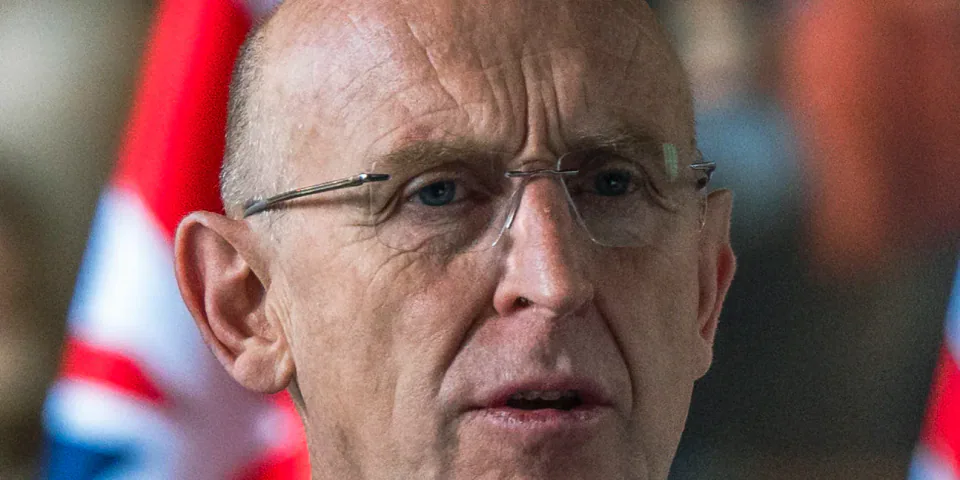
So now, with Chancellor John Healey having delivered his first budget, it is time to see whether talk can translate into action. According to the Chancellor this budget is ‘for working people’, built on the fiscal discipline established by Rachel Reeves.
Despite a challenging economic backdrop, the UK’s economy has shown resilience. The UK was recorded as the joint fastest growing economy in the G7 in the first half of 2026 and the OBR has increased its growth forecast for 2026 to 1.2%.
Since Labour’s return to Number 10, whole economy investment has risen by 6.9% and business investment by 7.5%. Real wages have also risen for the third year running and borrowing has fallen to its lowest in six years.
The Chancellor’s first budget was crafted in challenging conditions. Years of post- pandemic economic strain, stubborn inflation and global instability have tightened the public purse.
With debt interest costs continuing to rise, fiscal caution was as much a necessity as a choice. Healey’s answer is to spend the fiscal headroom. This buffer now stands at £15 billion, down from the £24 billion established in Rachel Reeves budget.
Nevertheless, the Chancellor argues this is what the buffer is for. Bills and the cost of living households get the visible relief first.
The VAT cut on electricity has been extended to next summer, taking around £50 off the annual price cap in April.
Households in council tax bands A-D in England will now receive a £100 ‘household energy payment’. The Chancellor says this will benefit 20 million households.
Gas standing charges, a default everyday charge, will also be abolished by the end of 2027 at the earliest. Tariffs on more than 100 food and drink products will be suspended from November 26th.
National Living and Minimum wage will be increased by 3.9%. None of this is pathbreaking, these are simple, common-sense decisions designed to make everyday lives slightly better.
Students and Young People.
Since his arrival, the Prime Minister has been trying to mend a disconnect between leadership and youth. In this vain, Burnham called for it being the ‘time to get behind our young people’.
In an attempt to turn rhetoric into action, the Government has begun by investing a further £100 million into apprenticeship services.
They have also expanded the Jobs Guarantee, which now covers 18–24-year-olds on Universal Credit and will allow UK students to participate in the Erasmus+ study scheme, helping students move abroad to learn, teach and gain professional experience.
However, the question remains, is this really getting behind our young people?
Graduates were entirely absent from Healey’s Budget speech. While apprenticeships and employment support received attention, little was said about student debt, graduate repayments or the rising cost facing those leaving education and entering work.
While it appears the Prime Minister may understand youth issues more than his predecessor, it is unclear whether this shift is reflected in his first budget.
Housing
£1.5 billion has been invested into social and affordable homes and an additional £432 million has been aimed at ending rough sleeping.
A new First Time Buyers ISA also arrives in 2029, replacing the Lifetime ISA. The government will top up savings of up to £4000 each year with a 25% bonus and savers who withdraw early will only lose the bonus, not their money.
The £4.7 billion ‘Your First Home’ scheme will allow individuals and couples to buy a new-build home with a deposit of 2.5% and will offer a loan worth 20% of their property’s value to help pay for the purchase.
For a generation increasingly locked out of home ownership, these measures could make the first step onto the property ladder that bit more achievable.
Yet with rents, bills and everyday costs continuing to rise, many young people still struggle to save enough to take advantage of these schemes in the first place.
Devolution
Since taking office, Burnham’s government has championed regional equality. The budget is an opportunity to do that precisely. Mayors will keep 20% of locally collected business rates from April, with 100% retention of rates intended by the end of the decade.
There are a number of projects in Wales which will be funded by this budget.
This includes: £30 million for Cardiff Parkway railway station, £11million to replace the Aberavon Bridge in Port Talbot and £2.5 million for a science park in north Wales, just to name a few.
These reforms will not and do not seek to rebalance the country overnight, but they do represent a significant step in Burnham’s long-term push for regional empowerment.
Defence
Number 10 says this is the biggest sustained rise in defence spending since the Cold War. The £15bn Defence Investment Plan is fully funded and over £10 billion more will be spent on Ukraine's defence.
The NATO defence target of spending is 3.5% of GDP. However, how this will be met Healey stated, will wait for next year’s spending review.
The Chancellor had quit as Defence Secretary, essentially bringing down Keir Starmer's government, over (what he thought to be) a lack of commitment to defence spending.
His budget sets out no route to the NATO target and no money beyond the existing plan. Wes Streeting, his successor as Defence Secretary, says Britian must be ready to fight within 1000 days.
This budget does not, however, match the warning.
Who pays
Healey’s budget keeps the rates of tax paid on earnings unchanged.
Bank corporation tax will temporarily double from 3% to 6%, the government says this will not be extended.
Gambling is next. Machine Games Duty rises from 20% to 25% on machines with stakes over £1, funding a freeze in business rates for retail, hospitality and leisure.
Tax on savings and property income rises two percentage points from April 2027, continuing from last year's rise. The treasury says 84% of income taxpayers will not be affected by these changes and around half of the revenue raised from this change will come from the top 10% of households.
Steady, Not Spectacular
For all the talk of change, this budget is rooted in caution. Like Reeves before him, Healey has prioritised fiscal discipline and incremental gains over sweeping reform.
There is help for households, investment in regions and action on housing, but questions remain over defence spending and whether enough has been done for young people and students.
If this is politics done differently, it lies not in grand gestures, but in quiet conviction that government should improve the lives of ordinary people.
If this is politics done differently, it lies not in grand gestures, but in quiet conviction that government should improve the lives of ordinary people.