
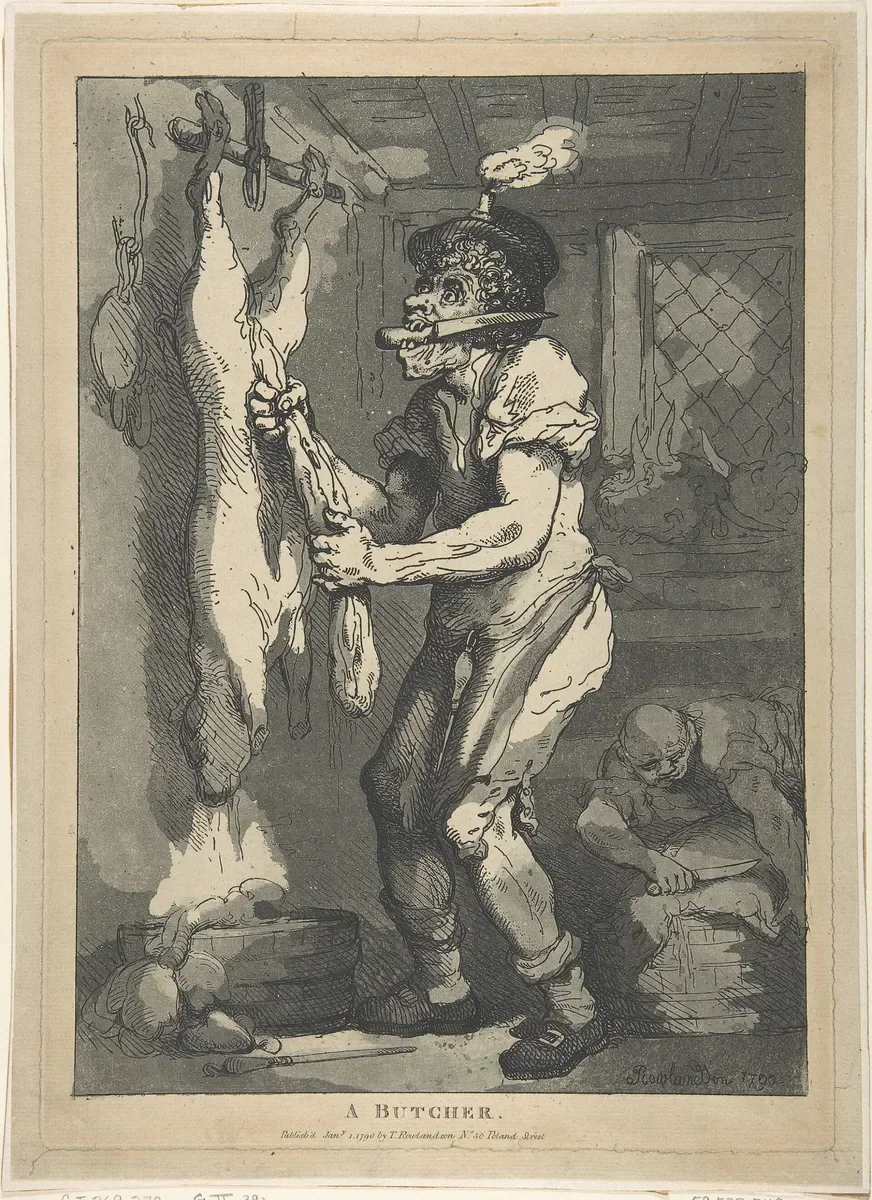
Food is always about politics. What we eat reflects cultures, relationships and identities. What we choose to eat. Who we choose to eat with. What restaurants we go to. What diets we participate in. All these decisions reveal an intricate articulation of the systems we live in.
In the last year or so, I have seen an abnormal surge in this ‘high protein-packed’ diet. We see these trends all the time, just like how the 2000s was filled with low-fat, low-carb rhetoric, but this time it doesn’t seem as obvious because the food group in question isn’t being villainized in the same way that carbs and fats were.
In fact, it’s gone in the complete opposite direction. Anytime I open the fridge, there’s a new protein smoothie or protein cheese that lines my housemate’s shelf. Protein is suddenly everywhere: In bagels, coffee and even ice cream.
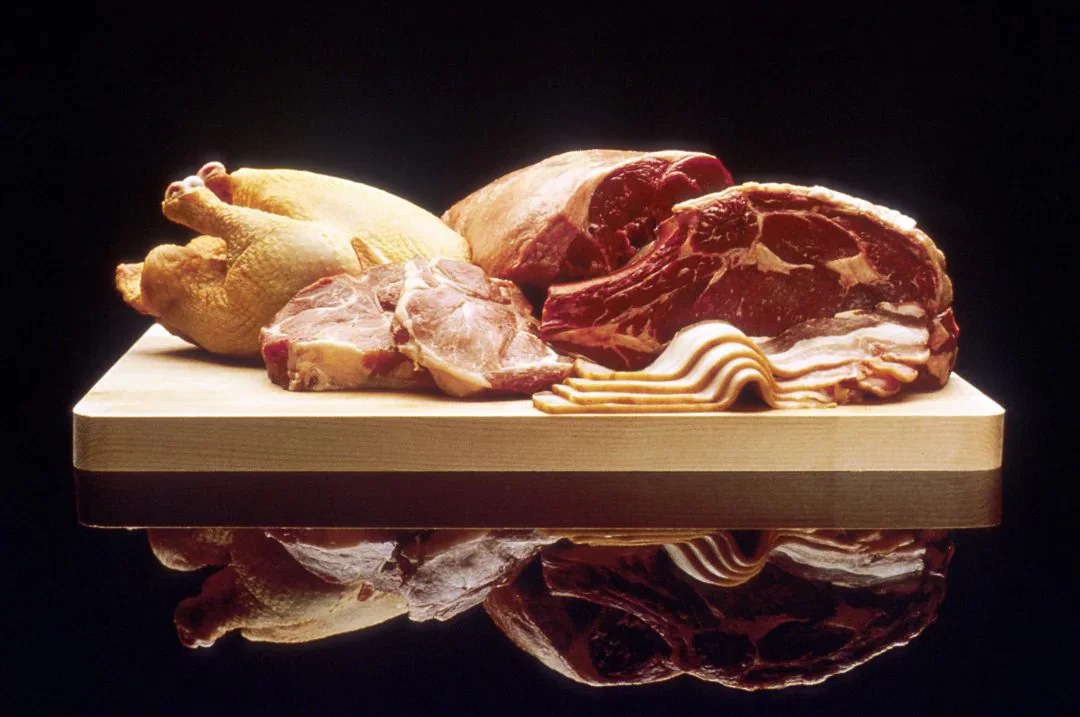
But besides these ultra-processed products that, spoiler alert! are really just a marketing scam, wellness culture is also obsessing over protein-rich lifestyle choices like the carnivore diet. You know what I’m talking about - the steak and avocados that guys love to eat off of their chopping boards, preaching about health and so-called ‘clean eating’.
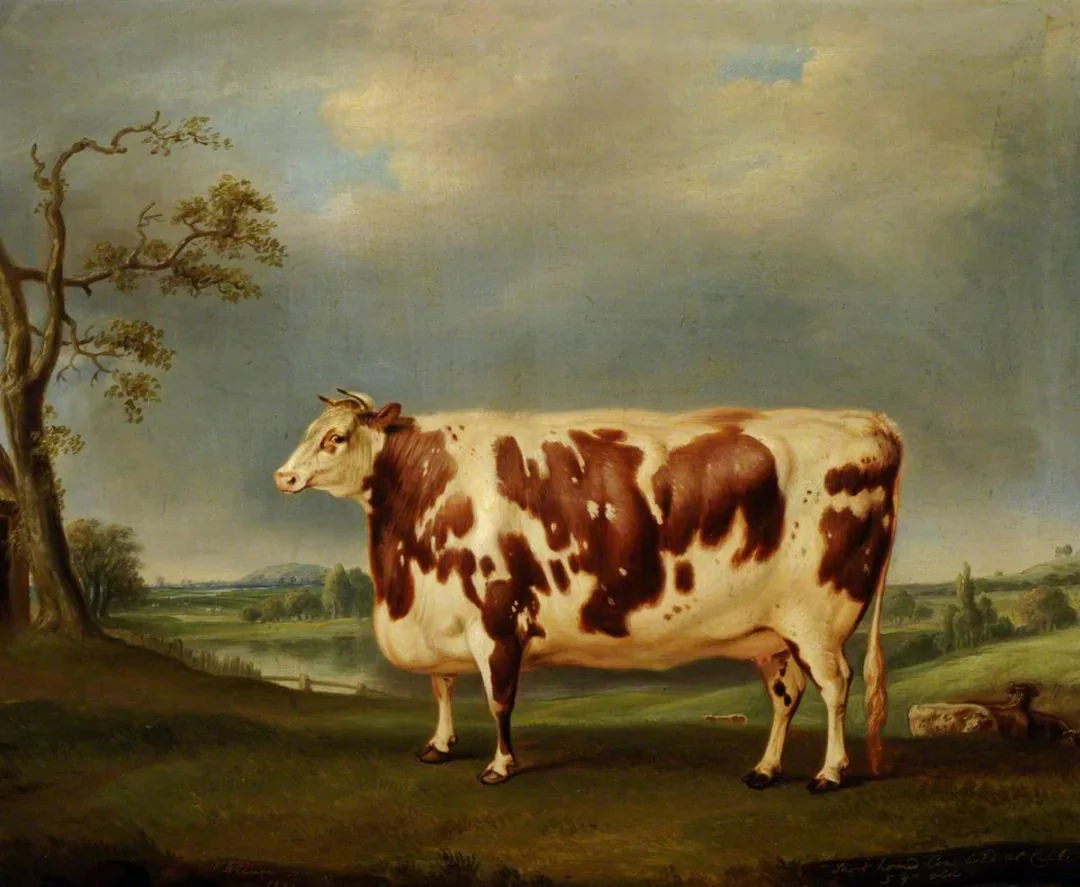
In the West, most of us live within a meat-eating culture. A hearty British meal reminds us of beef stews or a Sunday roast. Meat sits at the centre of the plate, with everything else orbiting around it and the classic ‘meat-and-two-veg’ is still very much at the forefront of our cuisine. This latest protein boom has abandoned the veganism and plant-based diets that were once mainstream within diet culture, swapped out for the same bland chicken and rice.
A meat-eating culture reflects conservatism. And you can’t have conservatism without its sly little friend – patriarchy (bell hooks was right when she said that patriarchy is all-pervasive). A clinging to those early, ‘traditional’ hunter-gatherer civilisations where men brought home the meat, whilst women squirrely collected fruit and nuts.
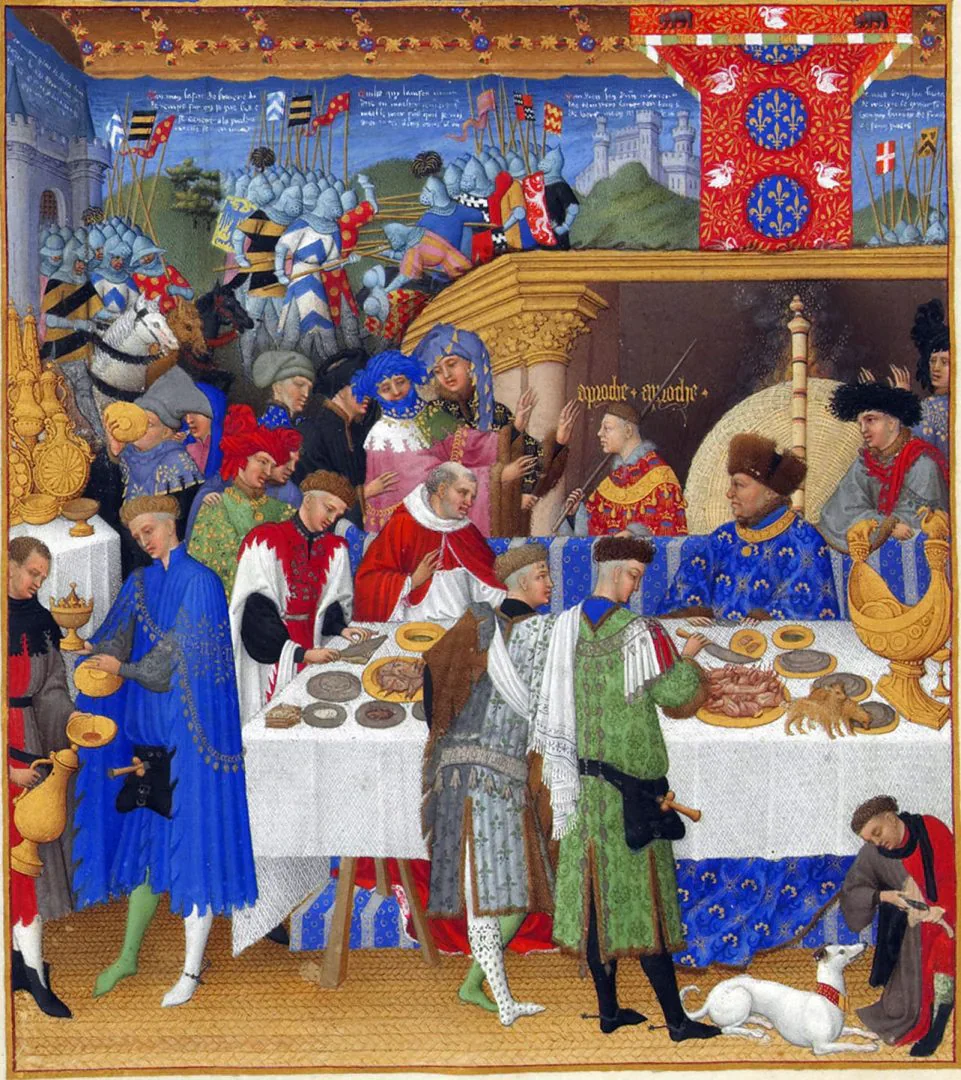
This is extended throughout history: victorious, ferocious men are depicted feasting on turkey legs and kidney pies – we are taught that meat is the food of kings and warriors.
This current trend of the ‘carnivore diet’ does reflect something deeper. It is an excuse, another outlet for men to express their precarious masculinity. Eating meat ‘makes you a man’ whilst men who opt out are called ‘soy boys’ – an attempt to infantilise and emasculate.
This is why men might be less likely to cut out meat, out of fear of their masculinity also being removed, whilst women are more open to adopting a plant-based diet. It is no wonder that figures like Jordan Peterson and Joe Rogan are at the forefront of this trend.
But to partake in a high-protein diet, especially the carnivore diet, can be detrimental to your health and digestive system. Many red or processed meats are extremely high in saturated fats and put you at higher risk of heart disease or damage kidney function.
So why this sudden obsession with it? Its appeal doesn’t seem to lie in its health benefits but more in the cultural identity it provides someone.
Meat is framed as a fuel for strength and muscle, so by eating it, one can be perceived as capable, the epitome of masculinity - a way to rebel against progressive social movements or the ‘woke-left’ with their oat lattes and avocado on toast. Not to mention a clear move of anti-intellectualism, by disregarding words of health experts, in an attempt to rebel against a supposed authority.
What food you eat makes you an actor – a cog within a wider culture war, where food doesn’t just sustain us, but symbolises our identity and values. A place for us to find a sense of belonging in this complete wreck we call our political landscape.